
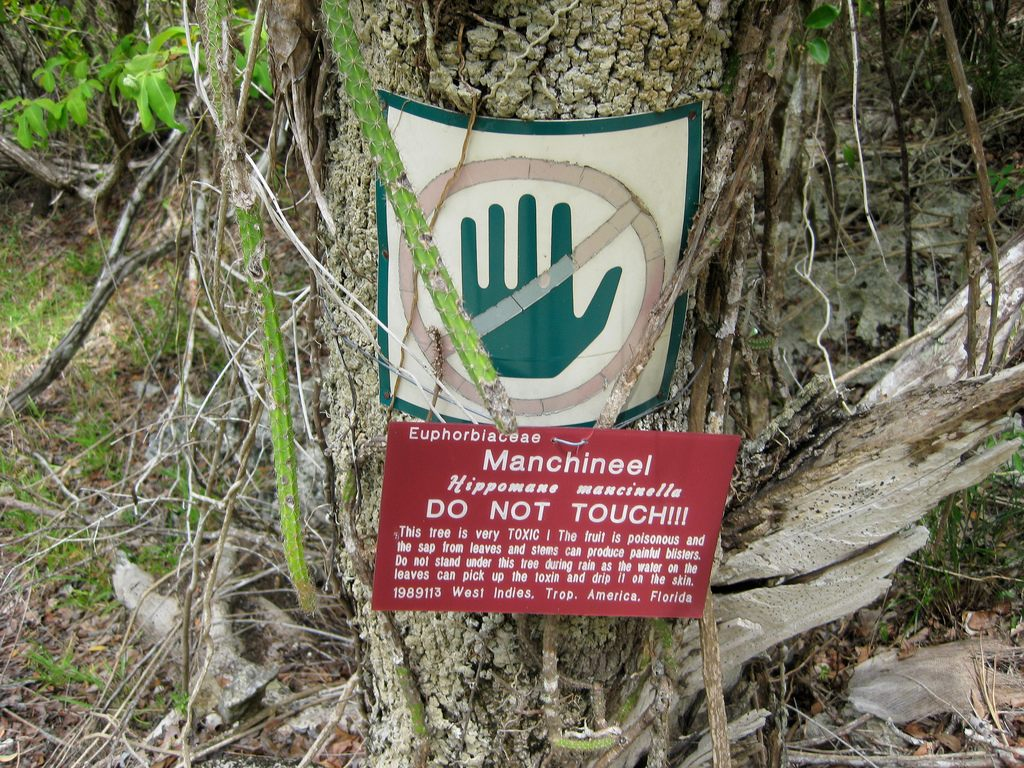
If you notice cracked trunks, pest infestations, or abnormal growth, your trees might be in trouble. Sudden leaning and exposed roots also signal instability. These signs indicate structural failure. Addressing them immediately prevents property damage and keeps your yard safe.
Read this guide to identify these hazards early. Understanding these risks helps preserve your property value and ensures your safety.
What Are the Common Signs of A Hazardous Tree?
Spotting these issues early prevents expensive emergency removals. Early detection allows for simple pruning rather than losing the entire tree.
Cracked or Split Trunks
Deep vertical cracks often appear on Live Oaks after Central Texas ice storms. These fissures compromise the structural integrity of the main stem.
If a crack extends through the bark into the wood, the tree may split during high winds. Proper assessment determines if the tree requires cabling or a top tree service in Leander for safe removal.
Active Pest Infestations
Emerald Ash Borers and Spongy Moth are serious threats in Williamson County. You should look for “D” shaped exit holes or thinning canopies in your Ash trees. These pests can kill a mature tree within two to three years.
Infested trees near utility lines complicate trimming rights, as local ordinances prioritize public safety and power reliability.
Abnormal Growth Patterns
Co-dominant stems create a “V” shape that often leads to failure in Cedar Elms. This growth pattern lacks the connective tissue needed to support heavy limbs.
Weak crotches frequently snap during the intense thunderstorms common in Leander. Monitoring these joints ensures you address the weight distribution before a branch falls on your roof.
Exposed or Damaged Roots
Construction or soil erosion near the San Gabriel River often exposes root systems. Roots provide the necessary anchor for heavy Pecan trees. If you see fungal growth or mushrooms at the base, the roots are likely rotting. Decayed roots lose their grip on the soil, which makes the tree a fall risk.
Sudden Leaning
A tree that tilts more than 15 degrees from its original position is a major threat. This often happens to Arizona Ashes in Leander after heavy rains saturate the soil. Soil heaving on the opposite side of the lean suggests the root plate is lifting. This imbalance requires professional tree service to prevent a total collapse.
Dead Wood and Hangers
Dead branches in the upper canopy can drop without warning. These “widow-makers” are common in older Post Oaks across the Texas hill country. Over 50% of tree-related property damage stems from falling dead wood. Removing these limbs prevents damage and costly repair.
Read more at https://robertmygardenandpatio.com/