
Good gardening always begins with the soil. If the soil is weak or poorly handled, plants will struggle no matter how carefully you plant them. This is why soil preparation techniques matter more than anything else in the garden. They decide how roots grow, how nutrients move, and how stable the entire growing system becomes.
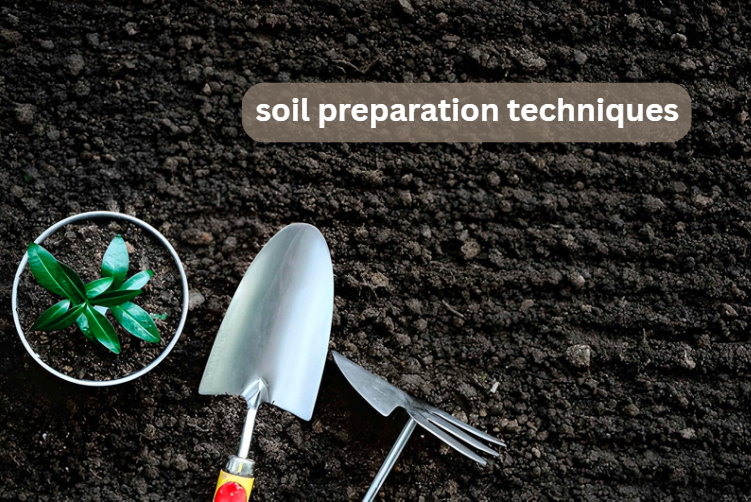
Many gardeners in the United States focus on seeds, watering, or fertilizers first. But they often ignore the ground those plants depend on. Soil is not just dirt. It is a living system that needs care before anything is planted. Without proper preparation, even good seeds fail to perform well.
Different gardens also have different soil conditions. Some areas have heavy clay soil that holds water. Some have sandy soil that dries too quickly. Others may lack nutrients completely. These differences mean there is no single approach that works everywhere. This is where soil preparation techniques help.
In this guide, you will learn simple and practical methods that improve soil step by step. These are not complicated systems. They are basic actions that any home gardener can follow. Each one is used to fix a specific soil problem and improve overall growth conditions.
By the end, you will understand how proper soil preparation techniques create a strong foundation for healthy plants and better harvests.
1. Soil Testing
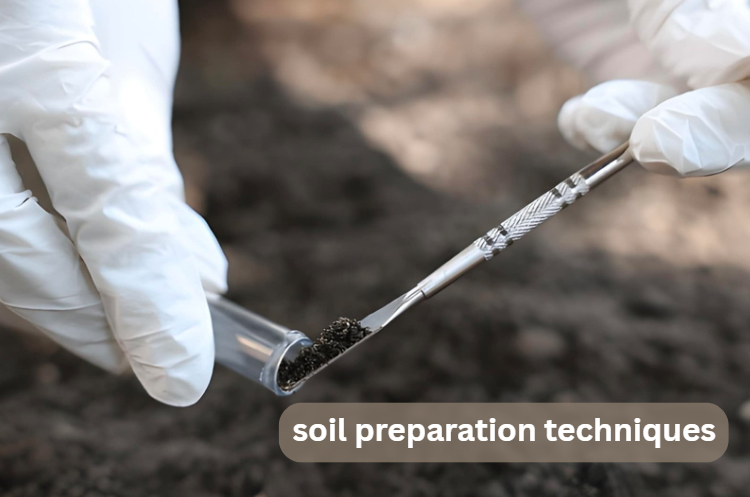
Soil testing is the first and most important step in soil preparation techniques. You cannot improve soil if you do not understand its condition. Testing tells you basic details like pH level, nutrient balance, and soil type. This information helps you decide what your soil actually needs instead of guessing.
This often leads to weak growth, poor flowering, or low harvest. A simple home soil test kit can give enough information for basic gardening needs. It shows garden advice homenumental whether your soil is too acidic, too alkaline, or balanced. These reports help identify missing nutrients and structural issues in soil. This is especially useful for vegetable gardens.
Once you understand your soil condition, every other soil preparation technique becomes easier. You will know what to add, what to fix, and what to avoid. This saves time and improves results.
Soil testing is not a one-time task. It should be done before every major planting season. Soil changes over time due to weather, watering, and previous crops.
2. Clearing the Land
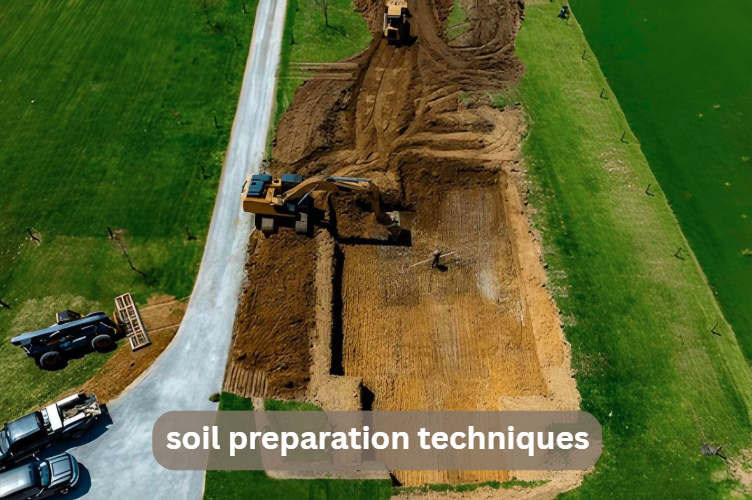
Clearing the land is one of the first and most important soil preparation techniques. Before you think about improving soil, you need to remove everything that blocks plant growth. This includes weeds, old plant roots, stones, plastic pieces, and dried organic waste.
Weeds are the biggest problem. Garden guide homenumental they compete with plants for nutrients, water, and space. Even if you prepare soil well, leftover weeds can reduce plant performance. That is why full cleaning is necessary before planting.
A clean surface also helps other soil preparation techniques work better. When soil is free from debris, compost and fertilizers mix evenly. Roots also find space more easily to grow deep into the ground.
This step may look simple, but it sets the base for everything else in gardening. Without proper land clearing, even advanced soil preparation techniques will not give good results.
3. Improving Soil Texture
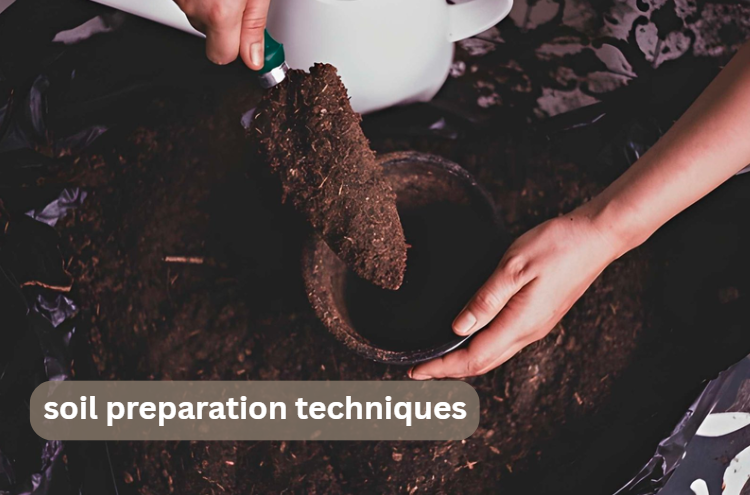
Soil texture plays a major role in soil preparation techniques because it controls how water and air move through the ground. Good texture allows roots to grow freely and absorb nutrients easily. Poor texture blocks growth and creates stress for plants.
Clay soil is dense and holds too much water. It can suffocate roots if not improved. Sandy soil is the opposite. It drains water too quickly and cannot hold nutrients.
Both types need adjustment before planting. carport archives mygardenandpatio adding organic matter like compost is one of the best ways to improve texture. It takes time and repeated soil preparation techniques over seasons.
Good texture also improves root development. When soil is soft and balanced, roots spread deeper and absorb more nutrients.
4. Adding Organic Matter
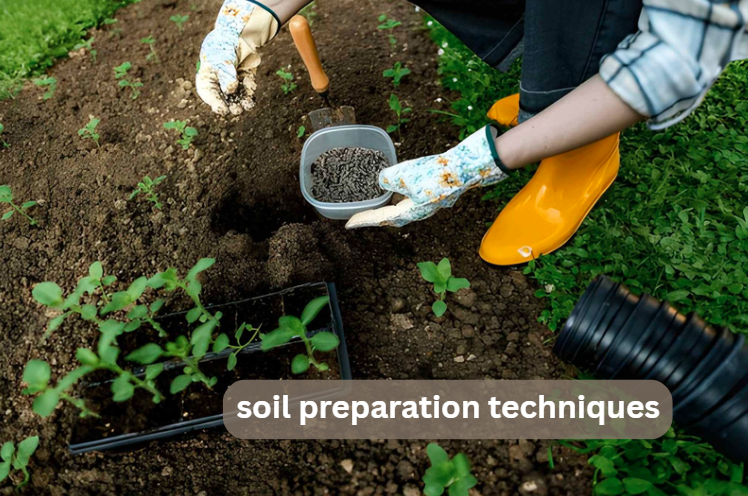
Adding organic matter is one of the most important soil preparation techniques for improving long-term soil health. Organic matter includes compost, manure, decomposed leaves, and other natural waste materials that break down over time. It improves both soil fertility and structure.
Organic matter also improves soil structure. It makes hard soil softer and helps sandy soil hold moisture better. This balance is important for root development and plant stability.
Mgapdiy diy advice from mygardenandpatio another benefit is soil life. Earthworms, bacteria, and other microorganisms depend on organic material. These organisms help break down nutrients and keep the soil active. Healthy soil is always full of life.
Regular use of organic matter is not optional. It is one of the core soil preparation techniques that keeps soil productive season after season.
Without organic matter, soil loses its strength quickly. Plants become weak, and growth slows down. That is why this step is a core part of soil preparation techniques in every successful garden.
5. Improving Drainage
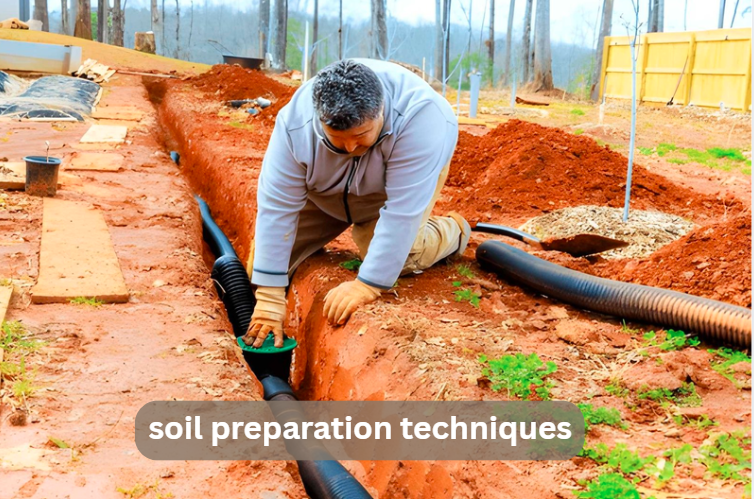
Drainage is a key part of soil preparation techniques because it controls how water behaves in soil. If water stays too long, roots can rot. If water drains too fast, plants dry out. Both conditions harm plant growth.
Soil with poor drainage often becomes compact and heavy. This blocks oxygen from reaching roots. Robert mygardenandpatio plants then struggle to survive even if nutrients are available. Adding compost helps improve drainage naturally. This also improves root health and soil structure at the same time.
Raised beds are another effective solution for drainage problems. They give better control over soil conditions and prevent waterlogging in heavy rainfall areas. Many gardeners in the United States use this method. Proper drainage keeps soil balanced and stable.
6. Balancing Soil pH
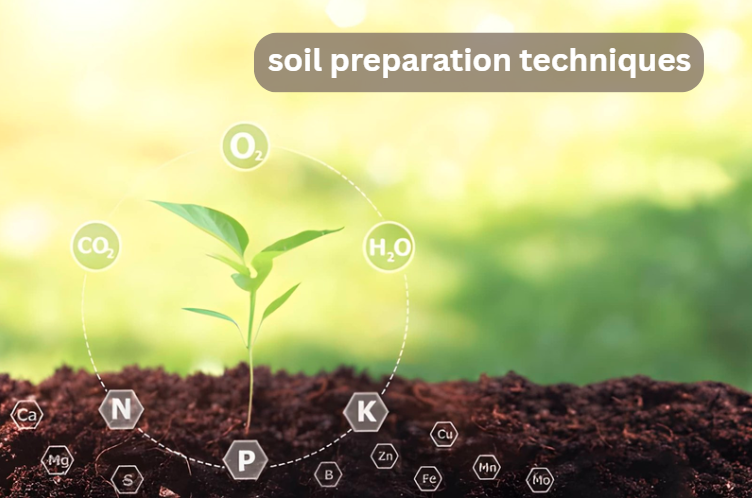
Soil pH affects how plants absorb nutrients. Even if soil has good nutrients, wrong pH can block absorption. That is why it is an important part of soil preparation techniques.
Mygardenandpatio most garden plants prefer slightly acidic to neutral soil. If soil becomes too acidic or too alkaline, plants start showing signs like yellow leaves and weak growth.
Testing pH helps identify the condition. If needed, lime is used to increase pH, while sulfur is used to decrease it. These adjustments must be done carefully to avoid overcorrection.
Balancing pH improves nutrient availability in soil. It helps plants use what is already present in the ground more effectively.
This step should always be combined with other soil preparation techniques for best results. Balanced soil creates a stable environment for all types of plants.
7. Tilling or Loosening Soil
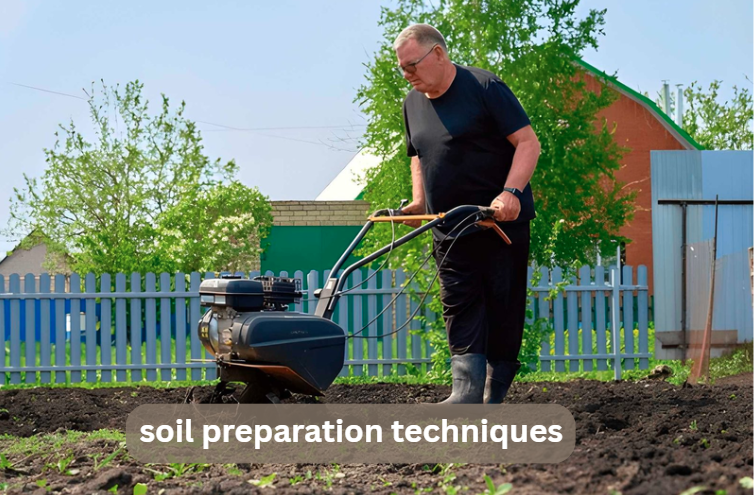
Tilling is the final step in soil preparation techniques. It means breaking up compact soil before planting. This step creates space for roots to grow and allows air to move through soil.
Hard soil prevents roots from spreading. It also reduces water movement and limits nutrient absorption. Loosening soil solves these problems.
Light tilling is enough for most home gardens. It prepares a smooth base for planting seeds or seedlings.
Tilling completes the soil preparation process and makes the garden ready for planting.
Final Thoughts
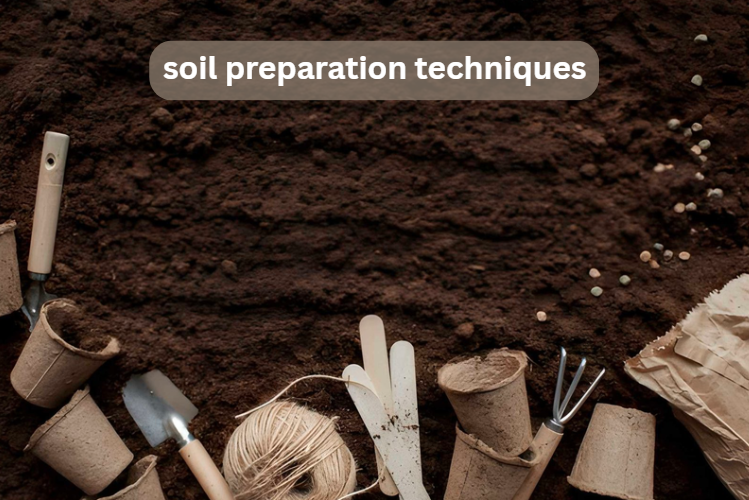
Soil is the foundation of every garden. If it is not prepared properly, nothing else will work well. That is why soil preparation techniques are so important before planting anything.
Each step plays a role in building healthy soil. Testing tells you what the soil needs. Clearing removes obstacles. Texture and organic matter improve structure. Drainage and pH balance support plant health. Tilling prepares the final ground.
Good soil does not happen instantly. It improves with consistent care. If you follow these soil preparation techniques every season, your garden soil will become healthier and easier to manage. Plants grow stronger, water use becomes more efficient, and problems reduce naturally over time.
In the end, successful gardening always starts from the ground up. Healthy soil leads to healthy plants, and that is what makes all the effort worth it. This is the real key to long-term gardening success.
Read more visit our website https://robertmygardenandpatio.com/
Pingback: 8 Simple Tips for Landscaping and Remodeling on Any Budget - Robert Mygardenandpatio