
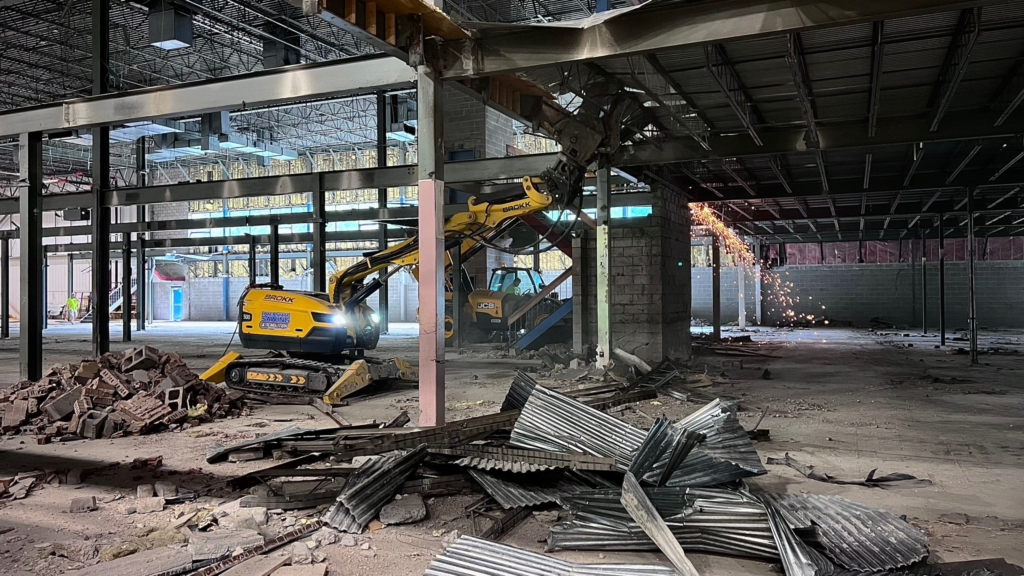
Demolition looks straightforward from the outside. A structure comes down, debris gets hauled away, and the site is cleared for whatever comes next. The reality is considerably more layered. Behind every successful demolition project is a sequence of regulatory steps, safety assessments, environmental protocols, and logistical decisions that must be executed in the right order by people with the training and credentials to do them correctly.
The difference between a project managed by a licensed demolition company in Toronto and one handled by an unlicensed operator is not just a matter of paperwork. It is the difference between a controlled, legally compliant process and one that exposes property owners to fines, liability, environmental violations, and project delays that can cascade for months.
Why Demolition Is a Regulated Activity
Toronto’s building division requires a demolition permit for virtually any structural teardown, whether it involves a full residential property, a commercial building interior, or a significant portion of an existing structure. These permits exist for good reason. They ensure that the work is being performed by qualified contractors, that hazardous materials have been assessed and addressed before demolition begins, and that adjacent properties and public infrastructure are protected during the process.
The permit application itself requires documentation that only a licensed operator can provide, including proof of insurance, confirmation that utility disconnections have been arranged, and in many cases a Designated Substances Report confirming whether materials like asbestos, lead paint, or mould are present. Attempting to skip the permit process in Toronto carries significant penalties, including mandatory restoration orders and fines that can exceed the cost of the original project.
Hazardous Materials: The Step That Cannot Be Skipped
Properties built before the 1990s almost always require a pre-demolition hazardous materials assessment. Asbestos was used extensively in insulation, floor tiles, ceiling materials, and pipe wrapping in homes and commercial buildings constructed before its regulated phase-out. Disturbing asbestos-containing materials without proper abatement procedures is a serious health risk to workers, neighbours, and future occupants of the site.
A licensed demolition company with certified abatement capabilities handles this as a standard part of the project workflow. Hazardous materials are identified, isolated, and removed by trained professionals following Ontario’s regulated procedures before any structural work begins. This is not an optional add-on; it is a legal requirement, and the liability for non-compliance falls on the property owner as well as the contractor.
Structural Assessment Before the First Machine Arrives
Every demolition project, regardless of scale, begins with a site assessment that documents what is present, how it is constructed, and what specific risks need to be managed. Foundation types, basement configurations, proximity to neighbouring structures, underground utilities, and the condition of the existing building all factor into how the demolition is approached and sequenced.
Experienced demolition contractors identify surprises before they become crises. A foundation that extends under an adjacent property, a basement with an undocumented oil tank, or utility lines that have not been properly decommissioned are the kinds of issues that derail unprepared projects. Finding them through assessment rather than discovering them mid-demolition is the difference between a minor schedule adjustment and a significant cost overrun.
Utility Disconnection and Ontario One Call
Before any ground is disturbed or structure is touched, all utilities serving the property must be properly disconnected and decommissioned. In Ontario, this means coordinating with Toronto Hydro for electrical disconnection, Enbridge Gas for gas service termination, the local water authority for water and sewer disconnection, and the Electrical Safety Authority for inspection. These processes have their own timelines and must be initiated early in the project plan.
Ontario also requires that locate requests be submitted through Ontario One Call at least five business days before any excavation or ground disturbance. This step identifies the location of buried utilities, telecommunications lines, and other underground infrastructure that could be damaged during excavation. A licensed demolition company builds all of these steps into the project timeline as standard practice, rather than discovering them as obstacles after work has begun.
Site Safety During Active Demolition
Active demolition creates real hazards for workers, adjacent properties, and the public. Dust management, noise control, debris containment, and structural stability during partial demolition all require active management rather than passive assumption. Licensed contractors carry comprehensive insurance that covers both their workers and third-party damage, and they implement site safety protocols that are documented and enforced throughout the project.
For urban demolition projects where neighbouring buildings are close, vibration monitoring and structural assessment of adjacent walls may be required. These are specialized services that a licensed operator with relevant experience can provide or coordinate. An unlicensed operator is unlikely to have the expertise, the equipment, or the insurance to manage these risks appropriately.
What Happens After the Structure Comes Down
The post-demolition phase includes debris removal, site grading, and preparation for the next construction phase. How thoroughly and responsibly this work is done directly affects what the next contractor walks into. Incomplete debris removal, improper disposal of demolition waste, or inadequate site grading creates problems and costs for the project that follows.
A licensed demolition company coordinates the disposal of demolition materials according to Toronto’s waste management requirements, ensures that recyclable materials are diverted appropriately, and delivers a site that is clean, graded, and ready for its next phase. That handoff quality is part of the professional standard that licensing and experience are designed to guarantee.