
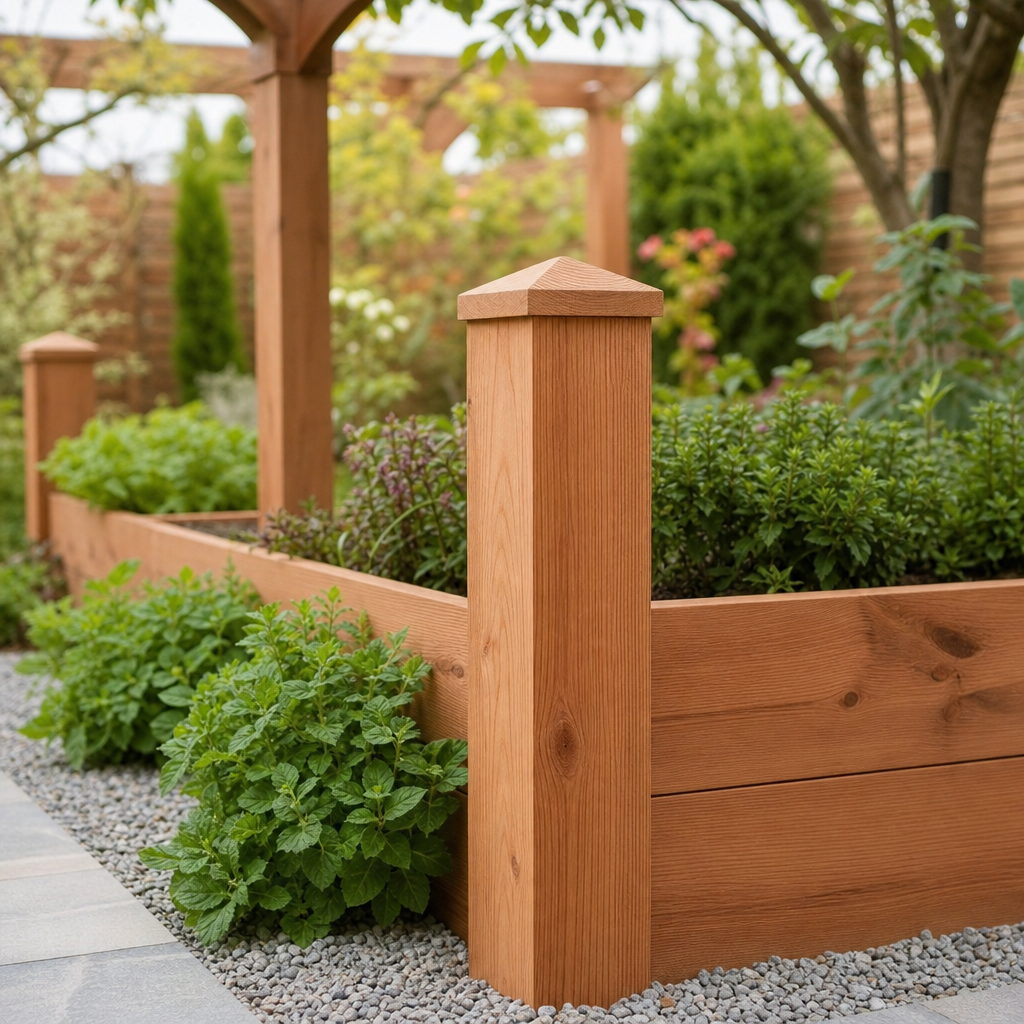
When it comes to building lasting outdoor structures, the material you choose matters more than most gardeners initially realize. From fencing and pergolas to raised garden beds and retaining walls, the timber you select will determine not only the aesthetic of your outdoor space but also how long that structure holds up against the elements. Among the many options available, cedar stands apart as a time-tested, naturally resilient wood that has earned its reputation across generations of gardeners, landscapers, and outdoor builders alike.
Why Cedar Is the Gold Standard for Outdoor Timber
Cedar has long been celebrated for its natural resistance to moisture, insects, and decay. Unlike many softwoods that require chemical treatment to survive outdoor exposure, cedar contains natural oils that act as a built-in preservative. These oils repel moisture and deter wood-boring insects, making cedar an excellent choice for any structure that will be in direct contact with soil or exposed to rain and humidity year-round.
Beyond its durability, cedar is also remarkably lightweight compared to hardwoods of similar strength. This makes it easier to work with during installation, whether you are setting posts into the ground, constructing a raised bed frame, or building a garden trellis. The wood cuts cleanly, holds screws and nails well, and does not warp or split as aggressively as pine or spruce under fluctuating temperature and moisture conditions.
The Aesthetic Appeal of Natural Cedar
There is also an undeniable visual warmth to cedar that synthetic materials simply cannot replicate. Fresh cedar carries a rich reddish-brown tone with fine, straight grain patterns that age gracefully over time. Left untreated, cedar weathers to a soft silver-grey that many gardeners find equally attractive. For those who prefer to maintain the original color, a simple application of a UV-resistant oil or stain will preserve the warm tones for years without compromising the wood’s natural properties.
Using Cedar Posts in Raised Garden Bed Construction
Raised garden beds have surged in popularity over the past decade, and for good reason. They offer improved drainage, better soil control, reduced weed pressure, and a more ergonomic gardening experience. However, the longevity of a raised bed depends heavily on the material used to construct its frame. This is where cedar timber posts prove their worth most convincingly.
If you are planning or expanding your raised garden beds, understanding how to select and use the right timber is essential. A well-built raised bed using quality cedar can last fifteen to twenty years with minimal maintenance, far outlasting pressure-treated pine or untreated softwood alternatives. The key is ensuring that the posts and boards are properly sized for the depth of the bed and that corner joints are secured with galvanized or stainless steel hardware to prevent rust staining and structural weakening over time.
Soil Contact and Cedar’s Natural Resistance
One of the primary concerns when building raised beds is the constant contact between the timber and moist soil. This is precisely where cedar’s natural oils make a critical difference. While other untreated woods begin to rot within a few seasons when buried or in prolonged contact with damp earth, cedar resists this breakdown significantly longer. For gardeners who grow edible crops and prefer to avoid chemically treated wood near their food, cedar offers a safe, natural, and durable alternative that aligns with organic gardening principles.
Selecting the Right Cedar Posts for Your Project
Not all cedar timber is created equal. When sourcing posts for garden or landscaping use, it is important to look for heartwood-grade cedar, which contains the highest concentration of natural oils and offers the greatest resistance to decay. Sapwood, found on the outer rings of the tree, is lighter in color and considerably less durable. A reputable supplier will clearly distinguish between grades and help you select the appropriate dimensions for your specific application.
For those building raised beds, corner posts, or garden fencing, cedar timber posts sourced from a trusted supplier ensure you are working with properly graded, consistently sized material that will perform reliably over the long term. Quality matters at every stage of the build, and starting with the right timber is the single most important decision you will make.
Planning Your Garden Layout Around Structural Timber
Before purchasing timber, it is worth taking time to plan your garden layout carefully. The placement of raised beds, the height of retaining walls, and the spacing of fence posts all influence how much material you will need and what dimensions are most practical. Sketch out your garden on paper or use a simple planning tool to map the footprint of each structure. Consider sunlight exposure, water access, and foot traffic pathways when positioning raised beds, as these factors will affect both plant health and your day-to-day gardening experience.
For gardeners looking to get the most from their outdoor space, exploring dedicated resources on raised garden beds can provide practical guidance on layout, soil preparation, and structural design that complements the use of quality timber materials.
Maintenance Tips to Extend Cedar’s Lifespan
While cedar is naturally durable, a modest maintenance routine will extend its lifespan considerably. Inspect posts and boards annually for signs of surface cracking, splitting, or early-stage decay at ground contact points. Applying a penetrating oil or timber preservative every two to three years will help maintain the wood’s moisture resistance. Avoid painting cedar with film-forming coatings, as these can trap moisture beneath the surface and accelerate deterioration rather than prevent it. Simple, consistent care is all that is needed to keep cedar structures looking and performing their best for decades.
Understanding Wood as a Living Material
It helps to understand the fundamental properties of wood when working with it outdoors. Wood is hygroscopic, meaning it absorbs and releases moisture in response to its environment. This natural movement causes the expansion and contraction that leads to cracking and warping if the wood is not properly selected or maintained. According to this informative guide on the properties of materials, understanding how natural materials respond to environmental conditions is essential for making informed decisions in practical applications, including construction and garden design.
About Tarriver Timber
Tarriver is a specialist supplier of quality timber products designed for outdoor and agricultural use. With a focus on providing well-graded, consistently sized timber that meets the demands of both professional landscapers and home gardeners, Tarriver has built a reputation for reliability and product integrity. Their range of posts is carefully selected to ensure customers receive material that performs as expected across a wide variety of applications, from garden bed construction to fencing and structural landscaping projects.
Conclusion
Choosing the right timber for your garden structures is not a decision to take lightly. Cedar stands out as one of the most practical, beautiful, and naturally durable options available to outdoor builders and gardeners. Its resistance to moisture and insects, combined with its ease of use and visual appeal, makes it a material that consistently delivers value over time. Whether you are constructing raised garden beds, setting fence posts, or building a pergola, investing in quality cedar timber is an investment in the long-term success and beauty of your outdoor space.