
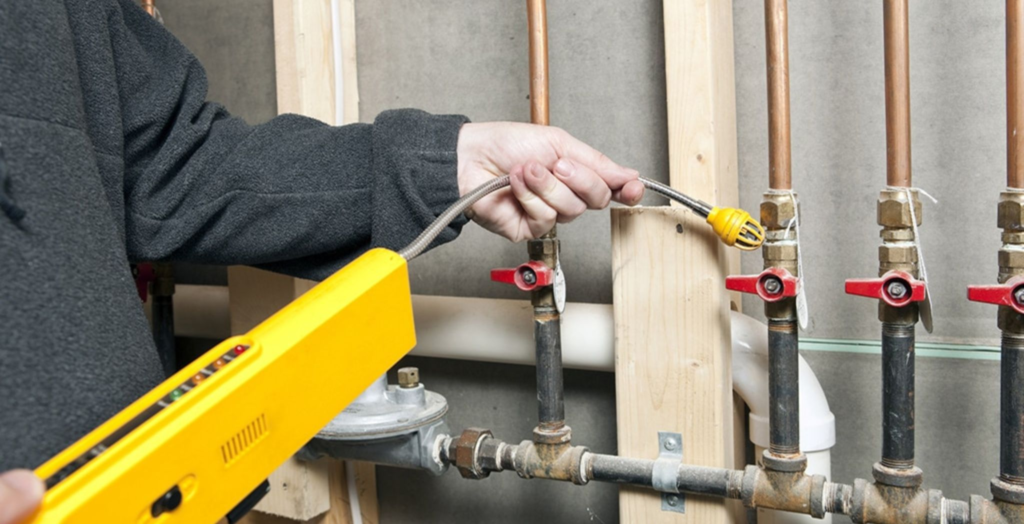
A gas leak rarely starts with a bang. Most begin quietly: a faint smell near the boiler, a hissing noise behind the cooker, or a pilot light that keeps blowing out for no obvious reason. Catching these clues early is what keeps a minor fault from turning into a genuine emergency, and it’s why homeowners across the capital rely on gas leak repair london specialists the moment something feels off, rather than waiting to see if the smell goes away on its own.
This guide walks through what to look, listen and smell for, what to do the moment you suspect a leak, and when it’s time to stop investigating and call someone qualified.
The earliest signs of a gas leak are a faint rotten-egg smell, a hissing or whistling sound near pipes or appliances, dead patches of grass outdoors, and physical symptoms like headaches, dizziness or nausea that ease when you leave the house. If you notice any of these, turn off the gas at the mains, open windows, avoid switches and flames, and get outside.
What Does a Gas Leak Smell Like?
Natural gas has no smell on its own. Suppliers add a chemical called mercaptan, which produces a strong sulphur or rotten-egg odour, specifically so leaks can be detected before they become dangerous.
The smell is usually faint at first. It tends to be stronger near the source, such as a boiler, gas hob, or meter box, and weaker as it disperses through the room. If the odour lingers even after airing the house out, treat it as a real leak rather than a one-off whiff from cooking.
Early Warning Signs to Watch For
Most leaks give off more than one clue at a time. Look out for:
• A persistent sulphur or rotten-egg smell, especially near appliances
• A hissing, whistling or roaring sound near a gas pipe or meter
• Bubbles appearing in wet or damp patches of ground near an outdoor pipe
• Dead or discoloured vegetation above buried gas lines, even in wet weather
• A yellow or orange flame on the hob instead of the usual crisp blue
• Soot or scorch marks appearing around a boiler or gas fire
• Condensation building up on windows near a gas appliance with no clear cause
Any single sign on its own might have an innocent explanation. Two or more together is a strong reason to stop what you’re doing and investigate properly.
Gas leaks don’t just affect the building. They affect the people in it, often before anyone thinks to blame the boiler.
Common symptoms include headaches, dizziness, nausea, fatigue, and irritation in the eyes, nose or throat. Pets sometimes act unsettled or lethargic before people notice anything themselves, since animals are often more sensitive to changes in air quality.
A useful test: if symptoms ease shortly after leaving the house and return once you’re back inside, that pattern points towards a gas or carbon monoxide issue rather than a general illness.
Small children and elderly residents tend to show symptoms sooner, simply because smaller bodies and weaker respiratory systems are more sensitive to even low concentrations of gas in the air.
Signs Outside the Home
Leaks aren’t always indoors. Underground pipes and outdoor meters can develop faults too, and these are easy to miss because nobody’s looking for them.
Watch for a hissing sound coming from the ground or near a meter box, an unusual smell in the garden with no obvious source, or a patch of grass that’s died back while everything around it stays healthy. Bubbling in puddles or waterlogged soil near a gas line is another sign worth acting on immediately.
How to Check for a Gas Leak Safely
If you suspect a leak, follow these steps in order:
1. Do not turn any light switches, appliances or electrical devices on or off. A spark is all it takes to ignite gas in the air.
2. Open doors and windows to ventilate the space as you leave.
3. Turn off the gas supply at the emergency control valve if you can reach it safely on your way out.
4. Leave the property and move well away from the building.
5. Call the National Gas Emergency Service on 0800 111 999, available 24 hours a day, from a phone outside the house.
6. Avoid re-entering until a qualified engineer confirms it’s safe.
Never try to locate a leak using a lighter, match or naked flame. It sounds obvious written down, but under stress, people do strange things, so it’s worth saying plainly.
Gas Leak Detectors: Are They Worth It?
A gas detector won’t stop a leak from happening, but it can catch one long before it’s noticeable by smell alone, particularly while you’re asleep or out of the house.
| Detector Type | Best For | Typical Lifespan | Notes |
| Plug-in gas alarm | Kitchens, near boilers | 5 to 7 years | Detects natural gas and LPG, audible alarm |
| Battery-powered detector | Garages, outbuildings | 2 to 5 years (battery dependent) | Portable, no wiring needed |
| Combined CO and gas alarm | Homes with gas fires or wood burners | 5 to 10 years | Covers two separate risks in one unit |
| Smart detector with app alert | Rental properties, second homes | 5 to 7 years | Sends a phone alert if you’re away |
None of these replace a proper inspection. They buy you time to react, which matters, but a working alarm and a well-maintained system go hand in hand.
When to Call a Professional
Some situations call for immediate action rather than a wait-and-see approach. If you smell gas persistently, hear hissing near a pipe, or have symptoms that improve when you leave the house, this isn’t a DIY situation.
Professional gas leak detection London engineers use electronic sensors and pressure testing to pinpoint a leak’s exact location, something that guesswork and smell alone simply can’t achieve reliably. They’re also legally required (Gas Safe registered) to carry out any repair work on gas pipework and appliances.
Why Response Time Matters
Gas doesn’t wait for a convenient moment to leak, which is why same-day gas leak repair matters far more here than it would for a dripping tap or a squeaky door. The longer a leak goes unaddressed, the greater the risk of fire, explosion or carbon monoxide poisoning building up unnoticed overnight.
A fast, qualified response also limits disruption. Most leaks, once located, are straightforward to fix: a worn seal, a loose joint, or a damaged section of pipe. The real risk lies in delay, not in the repair itself.
Frequently Asked Questions
1. What does a gas leak smell like in a house?
It typically smells like rotten eggs or sulphur, thanks to a chemical additive called mercaptan mixed into natural gas specifically so leaks are noticeable. A faint, persistent odour near appliances or pipework is the clearest early sign.
2. Can a gas leak make you feel sick without a smell?
Yes. Some leaks, particularly slow ones from underground pipes, produce very little odour indoors. Headaches, dizziness and nausea that ease when you leave the house can appear before any smell is obvious.
3. How long can you stay in a house with a gas leak?
There’s no safe amount of time. Leave immediately once you suspect a leak, ventilate as you go, and don’t return until a Gas Safe engineer confirms the property is safe.
4. Do gas leaks make a hissing sound?
Larger leaks often do, especially near a damaged pipe, loose fitting or faulty valve. Smaller leaks may be silent, which is why smell and physical symptoms matter just as much as sound.
5. Is it normal to smell gas when lighting a hob?
A brief whiff for a second or two while the ignition catches is normal. A smell that lingers, gets stronger, or appears without lighting anything is not.
6. What should I do first if I smell gas?
Avoid switches and flames, open windows, turn off the supply at the mains if safe to do so, leave the building, and call the National Gas Emergency Service on 0800 111 999.
7. Can carbon monoxide leaks be mistaken for gas leaks?
Yes, though they’re different. Natural gas leaks usually have a smell; carbon monoxide has none, which makes a working CO alarm just as important as a gas detector.
8. How often should gas appliances be serviced?
Annually, as a general rule, by a Gas Safe registered engineer. Regular servicing catches worn seals and corroded joints before they turn into leaks.
Getting It Fixed Properly
Spotting the early signs is only half the job. Once you’ve noticed a smell, a sound, or symptoms that don’t add up, the next step is getting a qualified engineer to confirm what’s actually going on and fix it properly.
0800 Homefix has built a reputation among London homeowners for turning up promptly, working safely, and explaining exactly what they’ve found rather than leaving you guessing. Whether it’s a suspected leak, a routine safety check, or an appliance that’s been acting strangely, having a trusted, Gas Safe registered team on hand takes the guesswork out of a situation where guessing simply isn’t good enough.
Read more at https://robertmygardenandpatio.com/mygardenandpatio-com/