
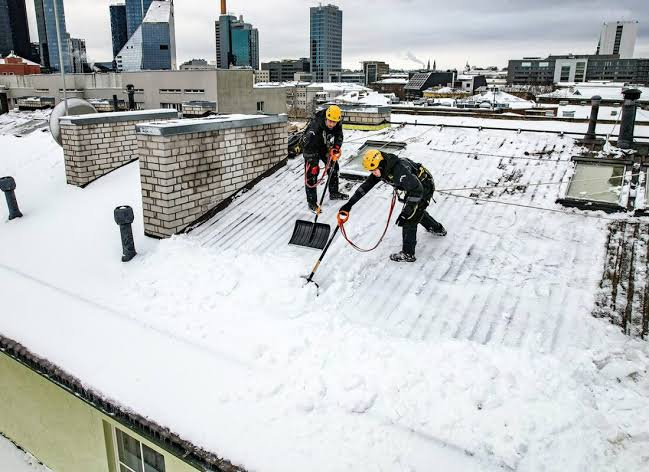
If you live in Northeast Ohio, you’re familiar with lake effect snow. Communities near Lake Erie can receive significantly more snowfall than surrounding areas, creating unique challenges for homeowners. While a fresh blanket of snow may look beautiful, repeated winter storms can take a serious toll on your roof if it isn’t properly maintained.
Understanding how lake effect snow affects your roofing system can help you prevent expensive repairs, improve your home’s energy efficiency, and protect your family throughout the winter months.
What Is Lake Effect Snow?
Lake effect snow occurs when cold Arctic air moves across the relatively warm waters of Lake Erie. As the air absorbs moisture from the lake, it forms snow bands that can dump several inches—or even several feet—of snow in localized areas.
Cities and towns throughout Northeast Ohio frequently experience these heavy snow events, especially from late November through February. Because snowfall can accumulate quickly, roofs often experience repeated loading and freezing throughout the season.
How Heavy Snow Impacts Your Roof
Every roof is designed to support a certain amount of weight, but repeated lake effect snowstorms can create additional stress over time.
Excessive snow accumulation may lead to:
- Increased structural weight
- Sagging roof decking
- Damaged rafters
- Loose shingles
- Ice buildup
- Water infiltration
- Gutter damage
Older roofs or roofs that already have hidden damage are especially vulnerable during severe winters.
Ice Dams Are a Common Problem
One of the biggest dangers associated with lake effect snow is the formation of ice dams.
Ice dams occur when heat escaping from your attic melts snow near the peak of your roof. As the water runs toward colder roof edges, it freezes and creates a barrier of ice. Additional melting snow backs up behind the dam and can seep beneath shingles.
This often leads to:
- Ceiling stains
- Wet insulation
- Mold growth
- Interior leaks
- Rotten wood decking
Proper attic ventilation and insulation are two of the most effective ways to reduce the risk of ice dams.
Freeze-Thaw Cycles Cause Hidden Damage
Northeast Ohio winters rarely stay below freezing for long.
Temperatures often fluctuate above and below freezing, causing roofing materials to repeatedly expand and contract.
These freeze-thaw cycles can:
- Crack sealants
- Lift shingles
- Loosen flashing
- Open nail holes
- Allow moisture beneath roofing materials
Over multiple winters, these small issues can grow into significant roofing problems.
Wind and Blowing Snow
Lake effect storms frequently bring strong winds in addition to heavy snowfall.
Wind-driven snow can force moisture into small gaps around:
- Roof vents
- Chimneys
- Skylights
- Valleys
- Flashing
- Ridge vents
Even a roof that appears undamaged from the ground may have hidden moisture intrusion after a severe winter storm.
Watch Your Gutters
Snow and ice place tremendous stress on gutters.
When gutters become clogged with leaves before winter arrives, melting snow cannot drain properly. Water refreezes inside the gutter system, increasing weight and encouraging ice dam formation.
Homeowners should:
- Clean gutters every fall
- Inspect downspouts
- Secure loose gutter fasteners
- Remove debris before snowfall begins
Proper drainage helps protect both your roof and your home’s foundation.
Signs Your Roof Has Winter Damage
After a major snowstorm, inspect your property from the ground.
Look for:
- Missing shingles
- Bent flashing
- Loose gutters
- Ice buildup
- Water stains indoors
- Sagging roof lines
- Shingles in your yard
If you notice any of these warning signs, it’s best to schedule a professional roof inspection before additional storms arrive.
Prevent Winter Roofing Problems
Preventative maintenance is much less expensive than emergency repairs.
Helpful maintenance includes:
- Annual roof inspections
- Proper attic insulation
- Adequate attic ventilation
- Gutter cleaning
- Tree trimming
- Prompt repair of damaged shingles
- Flashing inspections
These simple steps can significantly reduce winter roofing issues.
When Repairs Are No Longer Enough
Sometimes repeated winter damage indicates that a roofing system has simply reached the end of its lifespan.
Older roofs often experience recurring leaks, missing shingles, deteriorated flashing, and weakened structural components after multiple harsh winters. Continuing to repair an aging roof can become increasingly expensive over time.
If you’re evaluating the condition of your roof after another difficult winter, learn more here to understand your options and determine whether replacing your roof may provide better long-term protection for your home.
A new roofing system offers improved weather resistance, better energy efficiency, stronger warranties, and greater peace of mind during Northeast Ohio’s toughest winters.
Protect Your Home Before the Next Snowstorm
The best time to prepare your roof is before heavy snow begins to fall. Routine inspections, timely repairs, proper ventilation, and regular maintenance all help your roof withstand the challenges of lake effect snow.
By addressing small roofing issues early, homeowners can reduce the risk of costly water damage, structural problems, and emergency repairs while extending the overall life of their roofing system.
Frequently Asked Questions
Can lake effect snow damage my roof?
Yes. Repeated heavy snowfall, ice accumulation, and freeze-thaw cycles can all contribute to roofing damage, especially on older roofs.
How much snow is too much for a roof?
Most modern roofs can support typical winter snowfall, but unusually heavy accumulation, drifting snow, or existing structural issues may require professional evaluation.
Should I remove snow from my roof?
Light snow usually isn’t a concern. If heavy accumulation develops after multiple storms, using a roof rake from the ground is often the safest option. Never climb onto an icy roof yourself.
How often should my roof be inspected?
Most roofing professionals recommend a full inspection at least once a year and after major wind or snowstorms to identify damage before it leads to leaks.
Final Thoughts
Lake effect snow is a fact of life across Northeast Ohio, but it doesn’t have to result in costly roofing problems. Routine maintenance, proper attic ventilation, clean gutters, and prompt repairs can help your roof withstand even the harshest winter conditions. Staying proactive today can protect your home, extend the life of your roofing system, and help you avoid unexpected repair bills for years to come.
Read more at https://robertmygardenandpatio.com/contact-us-mygardenandpatio/