
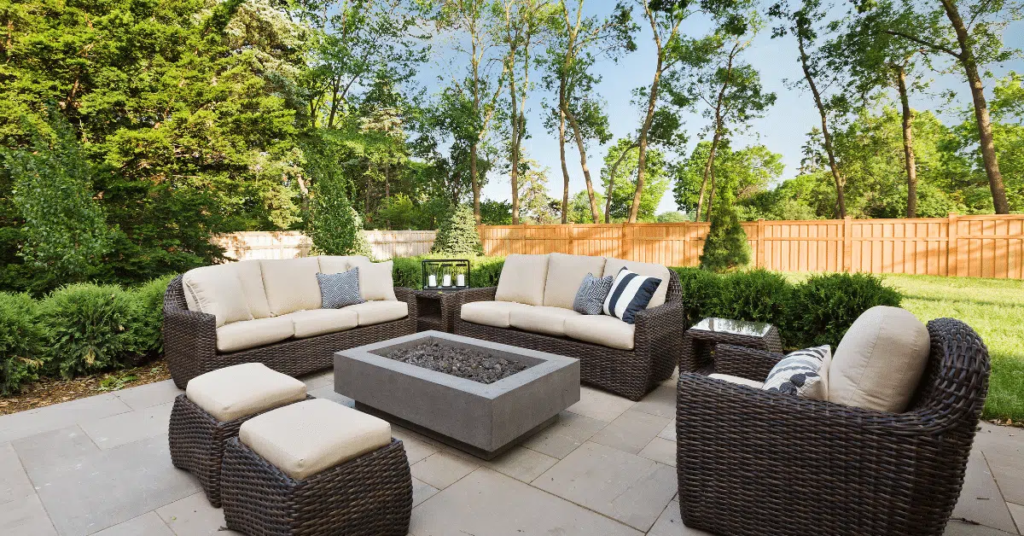
You spend hours browsing patio furniture online. You find the perfect set. The pictures show it looking stunning in a beautiful backyard. You order it. It arrives. You set it up. Something’s off. The scale feels wrong in your space. The color doesn’t match what you saw on screen. The arrangement that looked so natural in the product photos feels awkward on your actual patio.
You’re not alone. This happens constantly with outdoor purchases. And it happens for a simple reason: you can’t see how the furniture actually looks in your space until after you’ve bought it. But that’s starting to change.
The Online Furniture Problem
Buying outdoor furniture online is a gamble. Companies know this. They stage perfect photos with professional lighting, ideal weather, and carefully chosen backgrounds. Everything looks amazing in those images.
Your patio? Different story.
You have a different light. Different dimensions. Different surroundings. That sectional that looked perfectly sized in the product photo dominates your small patio. That fire pit that seemed subtle becomes the only thing you see. The color that appeared warm and inviting on your screen looks harsh in your actual outdoor light.
Traditional shopping at least lets you see the furniture in person. You could sit on it. Judge the scale. See the actual colors under real lighting. Online shopping eliminated that advantage without replacing it with anything better. Until recently.
What’s Actually Changing
Smart furniture companies started using something called outdoor rendering services. Not for advertising. For helping customers see products in realistic contexts before buying.
Here’s how it works differently than traditional product photography:
Traditional approach: Hire a photographer. Stage a beautiful outdoor space. Shoot the furniture.And hope customers can imagine it in their own yards.
New approach: Create digital versions of the furniture. Place them in various realistic outdoor settings. Show customers how the pieces actually look in different contexts, times of day, and arrangements.
The difference matters because it helps you make better decisions.
Why This Helps Real People
Let’s talk about what this means for someone trying to furnish a patio. You’re looking at outdoor dining sets. Company A shows professional photos of one perfect setup. Company B shows the same furniture in ten different realistic settings—small patios, large decks, poolside, under pergolas, in full sun, in shade. Which helps you decide if it works for your space?
Company B gives you information. Company A gives you aspiration. The technology does a few specific things that help:
Shows scale accurately. When you see furniture in a realistic patio setting that matches your space size, you immediately understand if it’s too large, too small, or just right.
Demonstrates arrangement options. Most people struggle to visualize how pieces work together. Seeing multiple realistic arrangements helps you understand possibilities.
Reveals lighting effects. That gray color might look perfect in afternoon shade. But in the morning sun? Completely different. Seeing both helps you choose better.
Clarifies material appearance. Wicker looks different than teak. Both look different in various weather and light. Realistic settings show these differences better than isolated product shots.
For someone furnishing a patio without design experience, this information makes the difference between a successful purchase and an expensive mistake.
What Works In Real Backyards
The best outdoor furniture decisions come from understanding your actual space, not from copying magazine photos. Smart shopping means asking specific questions:
Does the furniture fit your actual routine? A big dining set looks impressive. But if you mostly eat inside and use the patio for morning coffee, smaller furniture makes more sense.
Does it work with your climate? Cushioned pieces look comfortable. In humid areas, they grow mold unless you store them constantly. Weather-resistant materials matter more than appearance in challenging climates.
Does it match your maintenance willingness? Teak ages beautifully if you’re okay with the silver patina. If you want it to stay golden, you’ll oil it regularly. Know what you’re signing up for.
Does it suit your space constraints? A sectional works great on a large deck. On a small patio, it consumes all available room and limits flexibility.
Realistic visualizations help answer these questions because they show furniture in context rather than isolation.
The Practical Difference
Here’s a real scenario that happens often:
Someone wants a conversation set for a 10×12 patio. They find a beautiful four-piece set online. The product photo shows it looking perfect. They measure. Technically, it fits. They order it. It arrives. The furniture fits the dimensions. But the space feels cramped. You can barely walk between pieces. Sitting feels confined rather than relaxing.
What went wrong? The product photo was staged on a much larger patio. The furniture had breathing room. In the smaller space, it overwhelms everything.
With realistic rendering in a properly sized setting, this becomes obvious before purchase. You see the cramped arrangement. You choose smaller pieces or a different configuration. You save money and frustration. This isn’t theoretical. This exact scenario plays out thousands of times each season.
Material Matters More Than You Think
Outdoor furniture materials behave differently than indoor materials. They face sun, rain, humidity, and temperature swings. How they handle this determines whether your purchase lasts years or fails quickly.
Wood options: Teak weathers naturally and lasts decades. Cedar resists rot but needs sealing. Pine requires constant maintenance. Each looks different and ages differently.
Metal choices: Aluminum is light and rust-proof but can get hot in the sun. Steel is durable but can rust without proper coating. Wrought iron is heavy and sturdy but needs maintenance.
Synthetic materials: Resin wicker is weather-resistant and easy to maintain. It can fade in the intense sun over time. Quality varies widely between manufacturers.
Fabric considerations: Solution-dyed acrylic resists fading and mildew. Regular outdoor fabric degrades faster. Cushion storage extends life significantly.
When you see furniture rendered realistically in various weather and lighting conditions, these material differences become more apparent. You notice how teak weathers to silver-gray. You see how metal reflects the sun differently than wicker. You understand why darker colors show dust more than lighter ones.
This information helps you choose materials that match your priorities and maintenance willingness.
The Layout Challenge
Most people struggle with furniture arrangement. They understand individual pieces but can’t visualize how they work together.
Common mistakes:
Blocking traffic flow. Furniture that looks fine in photos creates obstacles in your actual space. You need clear paths for movement.
Ignoring focal points. Every patio has natural focal points—views, fire pits, water features. Furniture should work with these, not against them.
Missing functional zones. A good patio often has distinct areas for different activities. Dining. Lounging. Conversation. Mixing these zones feels chaotic.
Forgetting seasonal changes. That perfect sunny spot in spring becomes a heat trap in summer. Shade patterns change throughout the year.
Seeing furniture in realistic arrangements helps you avoid these mistakes. You notice the blocked path. You see the awkward relationship with your fire pit. You understand why the layout doesn’t match your actual use patterns.
When Pictures Still Lie
Even realistic rendering has limits. It can’t show everything.
Texture remains approximate. How fabric feels, how metal conducts heat, how wood grain looks up close—these require physical experience.
Comfort stays subjective. Cushion firmness, seat depth, back angle—everyone has different preferences. Pictures can’t replace sitting in furniture.
Quality becomes hard to judge. Construction details, joint quality, finish consistency—these determine durability but don’t show well in any images.
Assembly complexity hides. Some furniture ships are fully assembled. Some require extensive work. Pictures don’t reveal this difference.
Smart shopping combines realistic visualizations with other information sources. Read reviews about comfort and quality. Check assembly requirements. Understand return policies. Use visualizations to eliminate obvious mismatches, not to replace all other research.
The Actual Shopping Process
Here’s how to use this technology effectively:
Start with your space. Measure your patio accurately. Note sun patterns, traffic flow, and existing features you can’t change.
Identify your needs. How will you actually use the space? Daily coffee? Weekend entertaining? Seasonal dining? Match furniture to real use.
Look for realistic examples. Seek companies showing furniture in various realistic settings, not just perfect professional photos.
Compare scales. Look for settings that match your space size. Ignore photos of furniture on massive decks if you have a small balcony.
Consider the climate. Look for materials appropriate to your weather. Humid? Avoid materials that trap moisture. Intense sun? Choose fade-resistant options.
Test arrangements virtually. If possible, see furniture in multiple arrangements before committing to one configuration.
Verify dimensions. Even with good visualizations, measure carefully. Mistakes happen. Measure twice, order once.
Plan for flexibility. Choose pieces that work in multiple arrangements. This gives you options as needs change.
This process takes more time than impulse buying. But it dramatically reduces the chance of expensive mistakes.
Making It Work Long-Term
Good outdoor furniture should last years, not seasons. This requires thinking beyond initial purchase.
Maintenance commitment: Different materials require different care. Know what you’re committing to before buying.
Storage solutions: Where will cushions go when it rains? Where does everything go in winter? Plan this before buying.
Replacement parts: Can you replace individual cushions or pieces? Or must you replace the whole set?
Adaptability: Will this furniture work if your needs change? Can pieces be rearranged or repurposed?
Budget realities: Cheap furniture fails quickly outdoors. Mid-range often provides the best value. Top-tier lasts longest but costs significantly more.
Companies showing furniture in realistic long-term scenarios—weathered finishes, seasonal storage, actual outdoor conditions—help you make informed decisions. They’re not hiding how products age or what maintenance involves.
The Future of Outdoor Shopping
This technology keeps improving. Current versions show furniture realistically. Future versions will let you see your actual patio with different furniture options virtually.
Take a photo of your space. Try different furniture digitally. See exactly how it looks before ordering anything.
This eliminates most purchase uncertainty. You know what you’re getting because you’ve seen it in your actual space.
For people who struggle to visualize or who’ve been burned by online purchases that looked different in person, this represents significant progress.
Not magic. Just better information before you commit.
Starting With What You Actually Need
The best outdoor furniture isn’t the most beautiful or the most impressive. It’s the furniture that works for your actual life.
Small patio? Choose compact pieces that don’t overwhelm the space.
A large family? Prioritize seating capacity over style.
Minimal maintenance time? Choose weather-resistant materials that require little care.
Entertaining focus? Invest in comfortable seating and good arrangement.
Morning coffee routine? A small table and comfortable chairs matter more than a full dining set.
When you can see furniture in realistic settings that match your situation, these practical decisions become easier. You’re not trying to imagine. You’re looking at something close to reality.
That helps you spend money on furniture you’ll actually use rather than furniture that looks good in product photos but disappoints in your yard.
And that’s worth celebrating.
Read more at https://robertmygardenandpatio.com/mygardenandpatio-robert/