
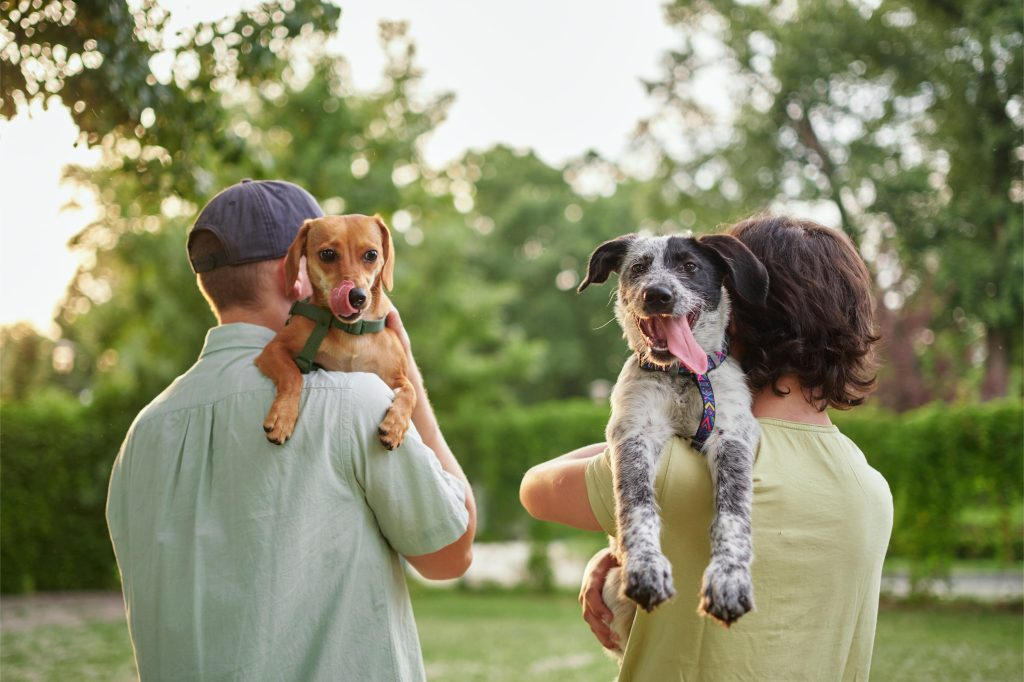
Your four-legged family members will enjoy your garden just as much as you do. Whether you have an energetic dog that needs to burn off some steam or a curious cat on the hunt for its next adventure, transforming your outdoor space into a pet paradise can provide hours of enrichment for your pets.
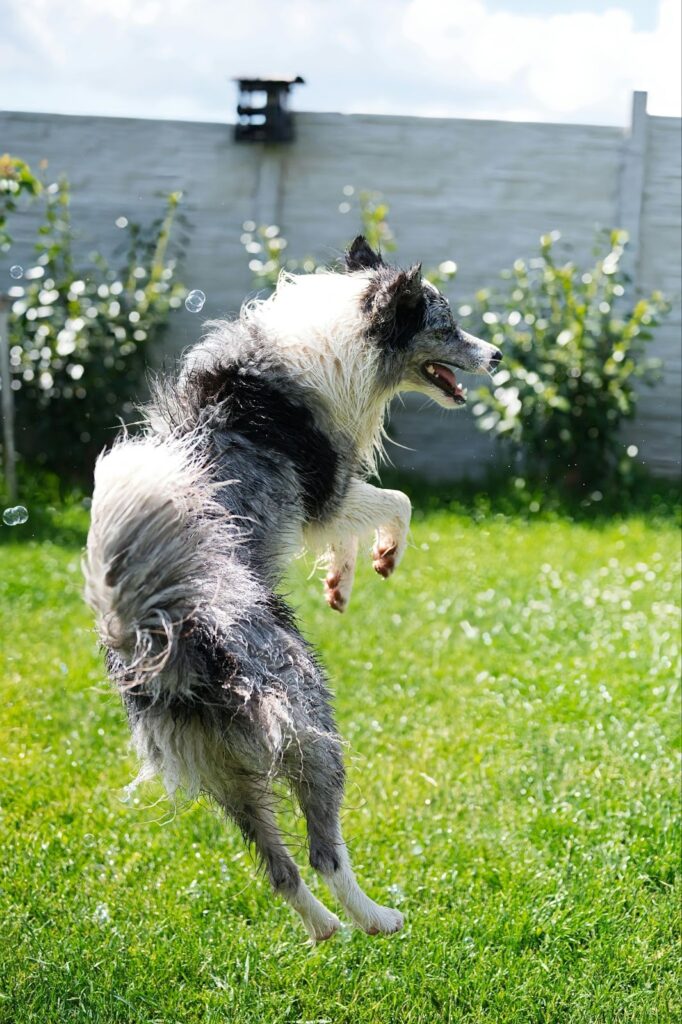
Why Outdoor Enrichment Matters
Just like people, pets get bored. When owners and their pets engage in outdoors activities, it helps to alleviate pet boredom. It also keeps pets from engaging in those annoying pet activities that drive their owners mad. Besides alleviating pet boredom, outdoors activities provide pets with mental stimulation that tires them out as much as physical exercise. Creating a garden activity space for your pet can be done with creativity and a few materials.
DIY Obstacle Courses: Adventure Awaits
For Dogs
When you build an obstacle course for your dog, it taps into their natural athleticism and problem-solving abilities. You can tailor-make a course that suits your dog’s age, size, and fitness level.
Basic Elements to Include:
Start with weave poles using PVC pipes or garden stakes planted in the ground about two feet apart. Guide your dog through them with treats, gradually increasing speed as they master the pattern. For jumps, use pool noodles balanced on flower pots or low garden stakes—these are safe because they’ll fall if your dog misjudges the height.
Create a tunnel using a children’s play tunnel, or make your own by draping a tarp over garden chairs. Most dogs love the challenge of navigating through enclosed spaces. Add a pause table using a sturdy crate or low platform where your dog must stop and wait for your release command, building impulse control alongside physical skills.
A balance beam can be as simple as a wide plank of wood placed on the ground or slightly elevated with bricks at each end. This helps dogs develop body awareness and confidence. For smaller dogs, even a 2×6 plank works perfectly.
Making It Engaging:
Change the course layout regularly to keep your dog mentally engaged. Time your dog’s runs and celebrate improvements. Invite other dog-owning friends over for friendly competitions—the social aspect benefits both pets and owners.
For Cats
Cats might not leap through hoops on command, but they absolutely love obstacle courses designed for feline sensibilities. Think vertical, mysterious, and full of hiding spots.
Create elevated pathways using sturdy planters of varying heights, connected by wide boards your cat can walk across. Cats feel safer when they can survey their territory from above. Add cardboard boxes with holes cut in the sides to create a maze-like tunnel system. Cats will spend ages exploring, hiding, and pouncing through the openings.
Hang feather toys or crinkly ribbons from tree branches at various heights to encourage jumping and batting. A ramp leading to a raised platform gives cats both exercise and a perfect perching spot. Incorporate scratching posts made from sisal rope wrapped around fence posts or branches to satisfy their natural scratching instinct while they play.
Sensory Play Spaces: Engaging All the Senses
Scent Gardens for Dogs
Create an outdoor scent garden! Plant herbs like rosemary, mint, basil, and lavender, then hide treats or toys in the garden and let your dog find them!
You can get a bit more challenging by hiding them in hollow logs, under flower pots, or even digging them up!
Make a snuffle mat outdoors. Making a snuffle mat is endlessly entertaining for your dog! It’s an excellent way for dogs to use their noses to find treats and food and indulge in foraging behaviors.
If you like to dig but don’t want your dog digging in the flower beds, invest in a sandpit or a designated outdoor area where your dog can dig. Then, hide some toys and treats in the sand, and let your dog get to it!
Sensory Gardens for Cats
Cats respond to texture, movement, and scent in unique ways. Plant cat grass in containers around the garden—it aids digestion and gives cats something safe to chew on. Catnip, catmint, and valerian planted in raised beds or pots create irresistible lounging spots.
Add sensory elements like smooth river rocks, rough tree bark sections, and soft moss patches that cats can walk across and explore. The varying textures are fascinating to sensitive paw pads. A shallow bird bath with an inch of water lets curious cats investigate without getting uncomfortably wet, and the moving water (add a small fountain) captivates their attention.
Hang wind chimes or create simple wind spinners from reflective materials. The movement and sound trigger cats’ prey drive in a safe way. Ornamental grasses that sway in the breeze also provide endless entertainment—cats love to stalk and pounce on the moving blades.
Water Play: Splashing Good Times
For Water-Loving Dogs
Dogs love to play in the water, although not all are natural swimmers. Invest in a kiddie pool and watch your dog enjoy himself. You can start with just a few inches of water and build up to deeper pools. You can float toys in the pool for your dog to retrieve or freeze treats in the kiddie pool to entertain your dog for hours on end.
Another fun idea is to invest in a sprinkler or a misting system for your yard. Most dogs love running through sprinklers, and it’s an easy way to cool off on hot summer days.
You can even create a water obstacle course by stringing several water-filled kiddie pools together for your dog to splash through. Be sure to change the water regularly to keep it fresh and clean.
For Selective Cats
Most cats aren’t fans of getting soaked, but they often enjoy water on their own terms. A solar-powered fountain provides moving water that fascinates cats. Many will spend time watching, occasionally dipping a paw in to catch the movement.
On hot days, lay damp towels in shaded areas. Some cats will lie on them to cool off. A misting system set on very light spray creates a cool zone cats can choose to walk through or avoid. Dripping hose spigots or slow-running outdoor faucets can captivate cats who like to watch and occasionally test the water with their paws.
Interactive Feeding Stations
Transform mealtime into adventure time by moving your pet’s food outdoors occasionally and making them work for it. Dogs like Border Collies and Mastiffs particularly enjoy puzzle activities to keep their minds active.
Puzzle Feeders in Nature
One of the best ways for dogs to do it is to scatter their food around tall grass, in muffin tins with tennis balls on top, or in PVC pipes with holes drilled in them. This encourages dogs to work for their food and engages their natural foraging instincts.
For cats, scatter small portions of their food in different places in your garden to mimic their natural hunting behavior where they would make multiple small kills. You can also get them treats balls that dispense food as they roll, which many cats enjoy.
Play Structures: Built for Fun
Climbing and Perching for Cats
Shelves can be installed on fences or the walls of sheds to provide viewing platforms and superhighways. Higher shelves appeal to cats’ love of high ground.
A simple cat tree placed under a covered patio area will give a cat outdoors climbing opportunities without exposing it to the elements. Similarly, logs positioned at angles will provide natural climbing challenges, provided they are secured safely in position. Some cats love small pet tents or enclosed spaces that can be placed in quiet corners of the garden, providing a favorite napping spot after a bout of active play.
Agility Equipment for Dogs
Beyond obstacle courses, consider installing permanent agility equipment if you have space. A-frame climbs, teeter-totters, and tire jumps provide ongoing challenges. You don’t need competition-grade equipment—DIY versions built from weather-resistant wood work beautifully.
A simple tire swing hung from a sturdy tree branch becomes a moving target for dogs who enjoy jumping and grabbing. Just supervise to ensure safe play. Raised platforms at different heights encourage jumping and provide rest spots between activities.
Nature-Based Games
Treasure Hunts
Hide and seek isn’t just for kids. Hide treats, toys, or yourself around the garden and encourage your pet to find you. Start easy with visible hiding spots, then gradually increase difficulty. Dogs especially love this game, and it builds their tracking skills.
Create a “find it” game by showing your dog a favorite toy, then having them wait while you hide it. Release them with the command to search. The mental workout of tracking and searching is incredibly satisfying for dogs.
Chase and Fetch Variations
Standard fetch is great, but variations keep it interesting. Try directional fetch where you throw multiple balls in different directions, calling out which one to retrieve. Water fetch in a pool or safe pond adds swimming exercise. Uphill fetch builds muscle strength more than flat-ground throwing.
For cats, fishing rod toys work beautifully outdoors. The extra space lets you create wider, more unpredictable movements that engage their hunting instincts. Drag toys slowly through tall grass or around garden beds, letting them stalk and pounce.
Social Play: Pet Playdates
Your garden can become the neighborhood hangout for pets. Organized playdates provide socialization opportunities that are crucial for pet wellbeing.
Set up multiple activity zones so pets can choose their engagement level. Provide shaded rest areas with water stations. For dogs, ensure your fencing is secure and remove any toxic plants. Supervise interactions, especially when introducing new playmates.
Cats can enjoy supervised outdoor time with feline friends too, though introductions should be slower and more controlled. A screened patio or catio allows cats to be outdoors safely while interacting with neighborhood cats through the barrier.
Safety Considerations
Before engaging in outdoor activities, make sure your garden is safe for your pets. Ensure that they have access to fresh water and shaded areas to prevent overheating.
Remove any toxic plants and secure chemicals or gardening equipment that could be dangerous. Also remember to supervise your pets closely, especially if they are new to the activity. What might seem like a harmless activity could pose unexpected risks to your pets.
Making It Sustainable
The best garden activities are ones you’ll actually maintain. Start with one or two ideas that excite you most. Observe what your pet gravitates toward naturally, then build on those interests. Rotate activities to prevent boredom without overwhelming yourself with maintenance.
Involve family members in creating and managing pet play spaces. Kids often love designing obstacle courses or hiding treats for treasure hunts. The shared activity strengthens family bonds while enriching your pet’s life.
The Bigger Picture
The benefits of creating an outdoor space that your pets enjoy are numerous. By strengthening your bond with your pets and providing them with mental and physical stimulation, you can turn your garden into something that your entire family will appreciate.
With a little creativity and attention to your pet’s personality, you can craft some amazing outdoor experiences for your pet that they will love for years. Whether it’s the joy on a dog’s face as they master a new jump, or the contentment of a cat lounging in their personal herb garden, it’s worth every bit of effort.
So go on, start small, and before you know it, you’ll have transformed your outdoor space into your pet’s favourite place on earth – right alongside yours.