
Gutters rarely get much attention until something goes wrong. A sudden overflow during a heavy rain, water pooling near the foundation, or plants sprouting from the gutter line are usually the first signs that debris has taken over. Leaves, pine needles, seed pods, and roof grit may seem harmless, but over time they interfere with one of the most important systems protecting your home from water damage.
This is where leaf protection systems come into play. Often referred to as gutter covers or gutter guards, these systems are designed to keep debris out while allowing rainwater to flow freely. Understanding how they work and when they make sense can help homeowners make smarter long-term decisions about gutter maintenance and home protection.
After learning the basics of how gutters manage water, many homeowners start exploring options like Gutter Guard Installation as part of a broader plan to reduce maintenance and prevent avoidable repairs. Before making that decision, it helps to understand what leaf protection systems actually do and how different gutter covers perform in real conditions.
Why Gutters Struggle Without Protection
Open gutters are designed to collect rainwater and direct it away from the roofline, siding, and foundation. The problem is that they are also perfectly shaped to collect debris. Once leaves and organic material begin to accumulate, water flow slows down or stops altogether.
Clogged gutters can cause several issues:
- Water spills over the edge and damages fascia boards
- Persistent moisture leads to mold or rot
- Ice dams form more easily in colder weather
- Excess runoff erodes landscaping and soil near the foundation
According to data from the Insurance Information Institute, water damage and freezing are among the most common causes of homeowners insurance claims, accounting for a significant portion of annual losses. While not all water damage comes from gutters, poor drainage is often a contributing factor.
What Are Leaf Protection Systems?
Leaf protection systems are designed to prevent debris from entering the gutter while still allowing rainwater to pass through or around the barrier. They are installed over or inside existing gutters and come in several designs, each with its own strengths and limitations.
Rather than eliminating the need for gutters, these systems enhance their performance by keeping the interior clear. When functioning properly, a gutter cover allows water to follow surface tension or pass through fine openings while leaves and larger debris slide off.
Common Types of Gutter Covers
Understanding the main categories of gutter covers helps homeowners set realistic expectations and choose the right solution for their roof and surrounding environment.
Screen Gutter Covers
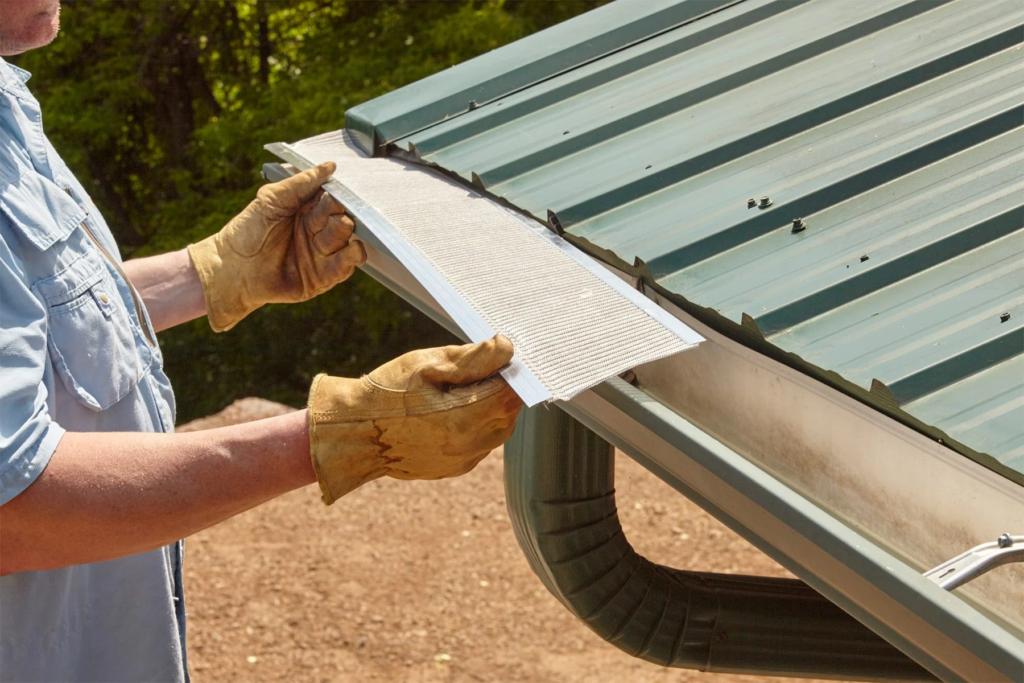
Screen systems use a metal or plastic mesh that sits on top of the gutter. The holes are large enough to let water through but small enough to block leaves.
Pros:
- Affordable and widely available
- Easy to install on many gutter systems
Cons:
- Fine debris like pine needles can still pass through
- Screens may require periodic cleaning
Micro-Mesh Gutter Covers
Micro-mesh covers use a much finer screen, often made of stainless steel, layered over a supportive frame.
Pros:
- Excellent at blocking small debris
- Handles heavy rainfall better than basic screens
Cons:
- Higher upfront cost
- Professional installation is often recommended
Reverse Curve or Surface Tension Covers
These covers guide water around a curved surface and into the gutter while debris slides off the edge.
Pros:
- Minimal debris buildup on top
- Long lifespan when properly installed
Cons:
- Performance can vary with heavy rain
- Not ideal for all roof pitches or shingle types
Foam and Brush Inserts
These systems sit inside the gutter rather than covering it.
Pros:
- Simple installation
- Lower initial cost
Cons:
- Debris can accumulate within the insert
- Shorter lifespan compared to other options
How Gutter Covers Improve Long-Term Performance
The primary benefit of leaf protection systems is consistency. When gutters remain clear, they are able to do their job during every storm, not just the first one after cleaning.
A study published by the National Association of Home Builders highlights that proper water management plays a major role in extending the lifespan of exterior building components. By preventing overflow and standing water, gutter covers help reduce wear on roofing materials, siding, and foundations.
Additional long-term benefits include:
- Fewer cleanings and ladder use
- Reduced risk of pest nesting in gutters
- Improved curb appeal from cleaner rooflines
- Lower likelihood of hidden water damage
Factors That Affect Gutter Cover Effectiveness
Not all leaf protection systems perform the same in every situation. Several factors influence how well a gutter cover works over time.
Roof Design and Pitch
Steeper roofs shed water faster, which can improve the performance of certain cover types. Shallow pitches may require systems designed to handle slower water flow.
Surrounding Trees
Homes surrounded by pine trees, maples, or oaks deal with different types of debris. Fine needles and seed pods often require micro-mesh systems for effective protection.
Rainfall Intensity
Areas that experience sudden heavy downpours need gutter covers capable of handling high water volume without overshooting the gutter.
Installation Quality
Even the best gutter cover can fail if it is not installed correctly. Improper alignment, gaps, or sagging sections can allow debris and water to bypass the system entirely.
Maintenance Expectations With Gutter Covers
A common misconception is that gutter covers eliminate maintenance completely. While they greatly reduce the frequency of cleaning, occasional inspection is still important.
Most systems benefit from:
- Annual visual checks
- Clearing debris from the top surface
- Ensuring downspouts remain unobstructed
Compared to cleaning clogged gutters multiple times a year, this level of upkeep is minimal and far safer.
Are Gutter Covers Worth It?
For many homeowners, the value of a leaf protection system comes down to prevention. Repairing rotted fascia, replacing damaged siding, or addressing foundation moisture issues is far more expensive than maintaining a functional gutter system.
Homes with mature trees, multi-story rooflines, or limited safe ladder access often see the greatest return on investment. In these cases, gutter covers help reduce both risk and ongoing maintenance costs.
Making an Informed Decision
Leaf protection systems are not one-size-fits-all solutions. The right gutter cover depends on the home’s roof structure, surrounding environment, and long-term maintenance goals.
By understanding how different gutter covers work and what problems they are designed to prevent, homeowners can make decisions based on performance rather than promises. A well-chosen system supports the entire drainage setup and helps protect the home quietly and consistently, season after season.
When gutters stay clear, water flows where it should, and that simple outcome makes a lasting difference in the health of a home.