
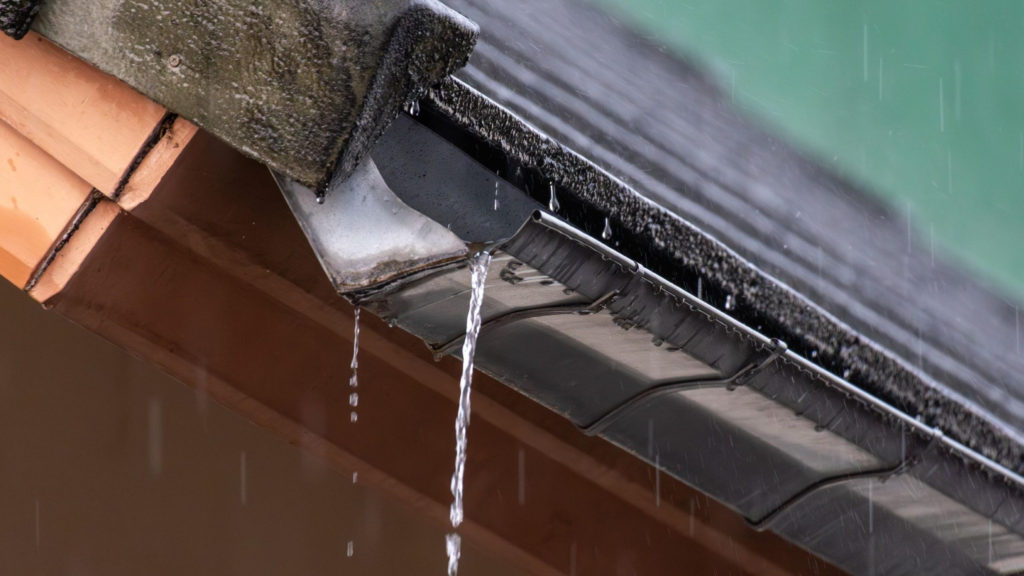
Gutters are an essential but often overlooked part of a home’s exterior. Their job is simple: collect rainwater and safely direct it away from the house. However, when gutters begin to fail, water can quickly cause damage to roofing, siding, landscaping, or even the foundation. The good news is that gutters usually show warning signs before major failure occurs, so recognizing these early indicators can help homeowners address problems before they require costly repairs.
Visible Sagging or Pulling Away from the House
One sign that gutters are starting to fail is sagging. Gutters should sit securely and evenly along the roofline, so if sections begin to dip or pull away from the eaves, it is often an indication that the fasteners or brackets are weakening.
Sagging gutters may also suggest that debris, standing water, or excessive weight has placed too much strain on the system. If not addressed quickly, this can eventually cause entire sections to detach from the house.
Water Overflow During Rainstorms
Gutters are designed to manage heavy rainfall, so visible overflow during a normal rainstorm could be a sign of trouble. When water spills over the sides instead of flowing into the downspouts, it may mean there is a clog or misalignment within the gutter system. Overflowing water can soak siding, damage fascia, and create puddles along the foundation. If this persists, it can lead to wood rot, mold growth, or even structural damage.
Peeling Paint or Rust
Peeling paint on or near the gutters may signal persistent moisture problems. When water overflows or leaks from the gutter system, it often runs down the exterior of the home, causing paint to bubble or peel.
Similarly, rust spots on metal gutters indicate prolonged exposure to standing water. Rust gradually weakens the material, eventually creating holes or cracks in the gutter system.
Cracks, Splits, or Small Holes
Even small cracks in gutters can result in larger problems over time. At first, a tiny split may only allow a few drops of water to escape during a storm, but repeated exposure to moisture, temperature changes, and debris can cause these cracks to expand. As the damage worsens, more water escapes through the openings and drips down, which can affect siding and fascia boards. If left untreated, these minor structural weaknesses may result in complete gutter failure.
Water Pooling Near the Foundation
Another important warning sign appears on the ground rather than your home’s structure. If water regularly pools around the base of your house after rainstorms, it may indicate that the gutters or downspouts are not diverting water far enough away. Insufficient drainage can lead to soil erosion, basement leaks, and foundation cracks if left unchecked.
Addressing Problems Before They Get Worse
Being on the lookout for these early warning signs can help owners prevent more serious damage. Regular inspections, routine gutter cleanings, and timely repairs are essential for maintaining a functional gutter system. By addressing any problems early, homeowners can protect their roof, foundation, and other exterior components while avoiding the much higher costs associated with significant water damage repairs.