
Outdoor living spaces have become one of the most valuable extensions of the modern home. A well-designed patio can serve as a place to relax, entertain guests, or simply enjoy the outdoors in comfort. However, one of the most common challenges homeowners face—especially in coastal areas or open landscapes—is wind.
Strong or persistent winds can make patios uncomfortable, disrupt furniture, and limit how often the space is used. With the right combination of design, materials, and installation techniques, you can create a wind-resistant patio that remains functional and inviting throughout the year.
Understanding Wind Patterns Around Your Home
Before making any upgrades, it is important to understand how wind interacts with your property. Wind does not move evenly; it tends to accelerate through narrow gaps, around corners, and across open areas.
Take time to observe the primary wind direction during different seasons, areas where gusts seem stronger, and any natural windbreaks already present on your property. This information will help guide your decisions and improve overall results.
Positioning Your Patio for Maximum Protection
If you are designing a new patio or improving an existing one, placement plays a major role in wind resistance.
Locating your patio near the home can allow the structure itself to act as a barrier. Avoid exposed corners where wind can funnel through, and take advantage of existing walls, garages, or fences to reduce direct exposure. Even partial protection can make a significant difference in comfort.
Incorporating Natural Windbreaks
Landscaping is one of the most effective and visually appealing ways to reduce wind exposure. Natural elements can soften wind rather than simply blocking it.
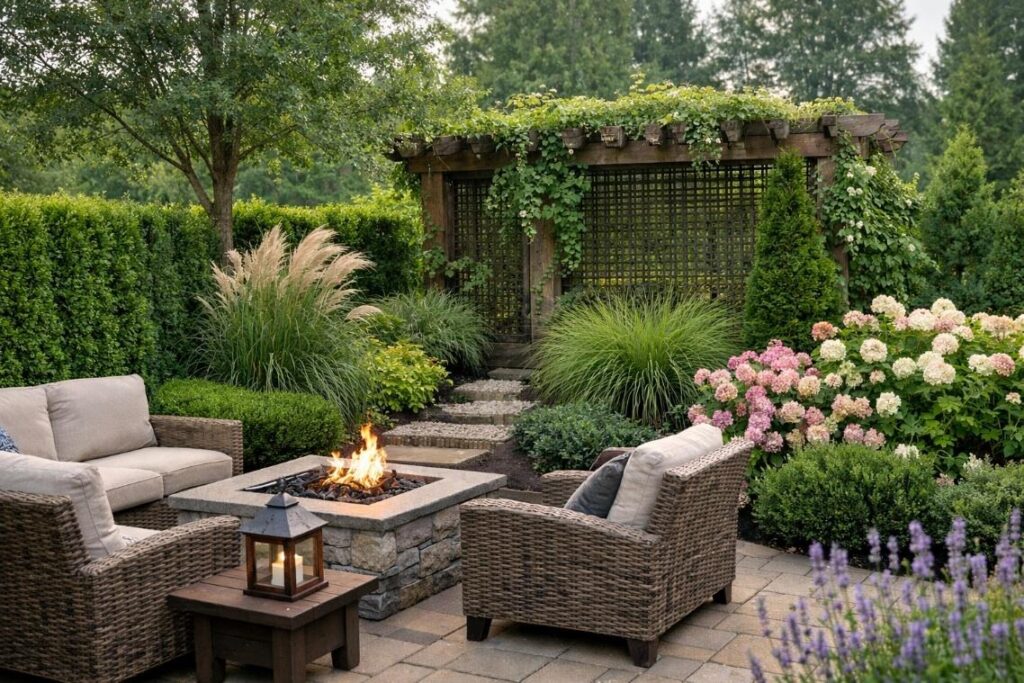
Consider adding dense hedges, evergreen shrubs, layered plantings, or decorative screens with climbing plants. These features not only reduce wind but also improve privacy and enhance the overall appearance of your outdoor space.
Clear Vinyl Curtains: Protection Without Losing the View
One of the biggest concerns when adding wind protection is maintaining the open feel of a patio. Clear vinyl curtains and enclosure systems provide an ideal solution.
These systems allow you to block wind, rain, and debris while still preserving visibility and natural light. They also create a flexible space that can be opened or closed as needed.
High-quality clear vinyl is designed to remain durable and flexible across changing temperatures, making it suitable for year-round use. In cooler months, it can help retain warmth and extend the usability of your patio.
Many homeowners choose custom solutions from PYC Awnings, which specialize in made-to-fit porch enclosures and wind-resistant patio systems designed for long-term performance.
Adding Awnings for Comfort and Stability
Awnings are often associated with shade, but they also contribute to overall patio comfort and protection.
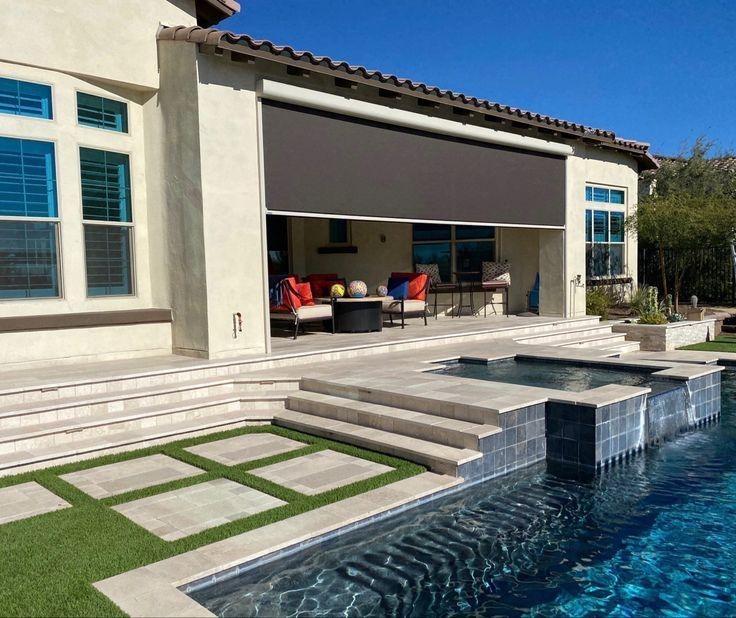
They help reduce sun exposure, limit heat buildup, and minimize wind turbulence from above. Retractable awnings offer flexibility, while fixed awnings provide consistent coverage and durability.
The Importance of Proper Installation
Even the best materials will not perform well if they are not installed correctly. Wind resistance depends heavily on secure mounting and proper anchoring.
Fasteners should always be installed into solid structural supports rather than just siding or surface materials. The correct hardware must be used for the specific surface, whether it is wood, masonry, or composite. Reinforcing high-stress areas and maintaining even tension across panels is essential.
Improper installation is one of the most common causes of failure in outdoor systems, particularly in areas with strong wind exposure.
Choosing Wind-Resistant Furniture and Accessories
Your furniture and accessories should support your wind-resistant design. Lightweight or unsecured items can quickly become a problem in gusty conditions.
Heavier furniture or anchored pieces are a better choice. Cushions should be secured, and loose decorative items should be minimized or stored when not in use. These simple adjustments improve both safety and convenience.
Extending Use into Cooler Months
A wind-resistant patio can significantly extend how long you are able to use your outdoor space each year.
Adding outdoor heaters, fire features, and layered lighting can create a comfortable environment even in cooler temperatures. Enclosure panels help retain heat, making the space more functional beyond the warmer months.
Bringing It All Together
Creating a wind-resistant patio is not about relying on a single solution. It requires a combination of thoughtful design, natural elements, durable materials, and proper installation.
By addressing each of these areas, you can build an outdoor space that remains comfortable, functional, and visually appealing regardless of weather conditions.
Enjoy Your Outdoor Space Without Limits
Your patio should be a place of relaxation and enjoyment. With the right approach, you can eliminate the frustration caused by wind and create a space that works year-round.
Whether you are hosting guests, spending time with family, or simply enjoying a quiet moment outside, a well-designed, wind-resistant patio allows you to make the most of your outdoor living space without compromise.