
Raised garden beds are a simple way to take control of your growing space. These problems make gardening harder than it should be. Raised garden beds solve most of these issues by giving you a fresh start with better soil and a clean layout. That control leads to healthier plants and better harvests over time.
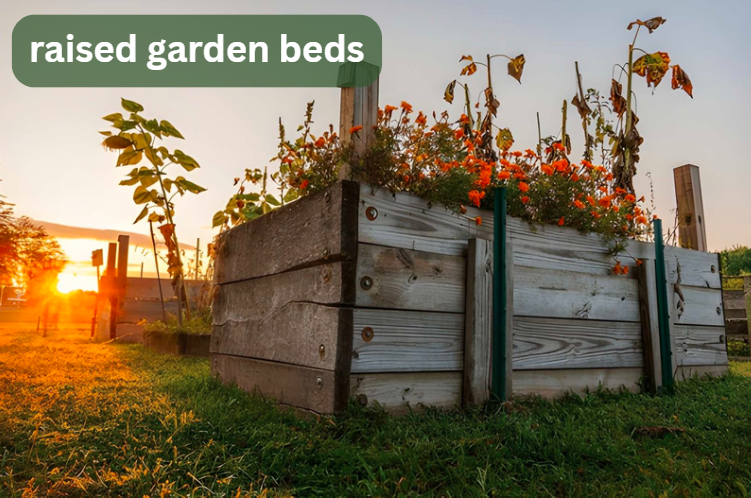
Another reason people choose raised garden beds is ease of use. Weeds are easier to manage, and pests are often less of a problem. For someone starting out with vegetable gardening for beginners, this method makes the process less stressful. This article explains nine proven methods of raised garden beds that work in real home settings. Each method fits a different need. Some are low cost and quick to build. Others take more planning but last for years. The goal here is to give you clear and useful ideas that you can apply in your own yard.
Simple Wooden Raised Garden Beds
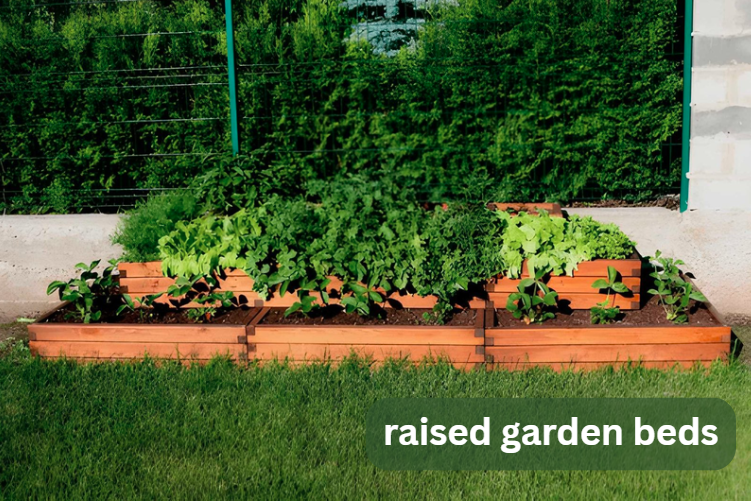
Many gardeners start with wood because they can build a bed in a few hours with basic tools. Cedar and redwood are popular choices. They last longer and resist rot better than cheaper wood. If you are on a budget, pine still works fine for a few seasons.
This method fits well for people trying vegetable gardens for beginners. You can control soil quality from day one. A key point many guides miss is wood thickness. Thin boards may warp over time. Using thicker boards saves you trouble later. Also, avoid treated wood if you plan to grow food. This method works best in flat spaces. You can build multiple beds and create rows.
Metal Raised Garden Beds
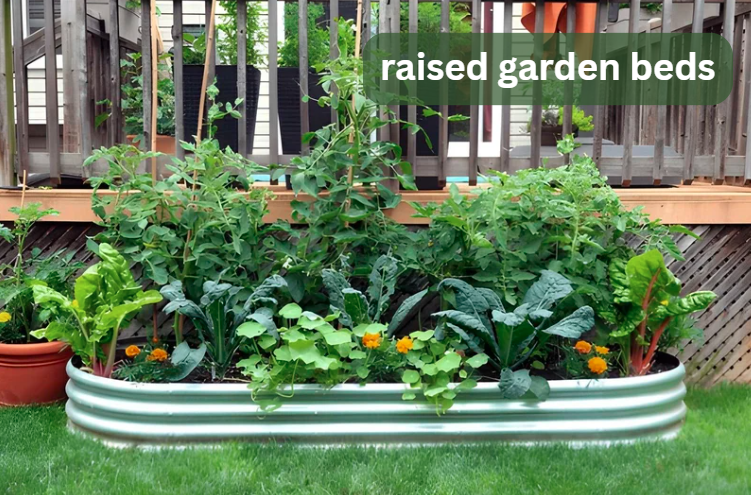
Metal raised garden beds are growing in popularity. Galvanized steel is the most common option. It resists rust and handles weather well.
This method is good for people who want a long term setup. Once installed, you do not need much maintenance. The structure stays firm and does not break down like wood.
One concern people have is heat. Metal can get warm in summer. Adding mulch helps control soil temperature.
This method works well for backyard garden ideas where you want a clean and modern look. Metal beds also come in different shapes. Some are round or oval which can add style to your garden space.
A useful tip is to place these beds where they get good sunlight. Metal reflects light and can help plants grow evenly.
Concrete Block Raised Garden Beds
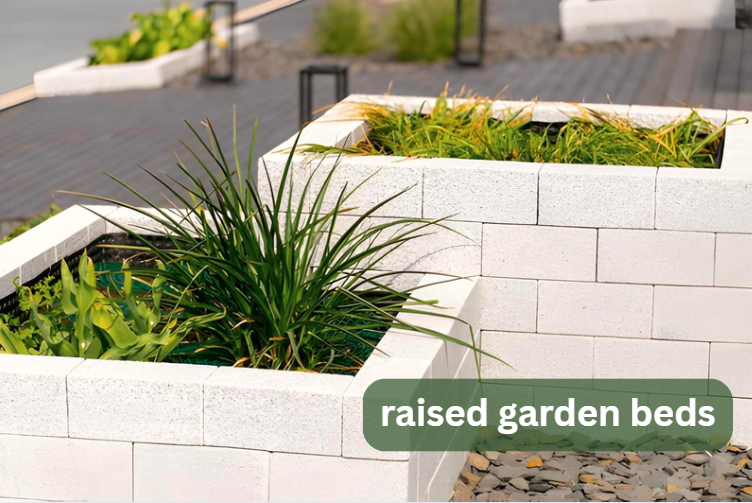
Concrete blocks offer a strong and stable option. They are heavy but easy to stack without special tools. You can build a raised garden bed by placing blocks in a simple layout.
This method suits areas with strong winds or uneven ground. The weight keeps the structure in place. It also holds soil well without shifting.
Concrete blocks can also serve more than one purpose. The holes in the blocks can be used to plant herbs or small flowers. A point to consider is design. Blocks can look plain, but you can paint them or arrange them in creative ways. Over time, plants growing around them can soften the look.
Raised Garden Beds with Trellis Support
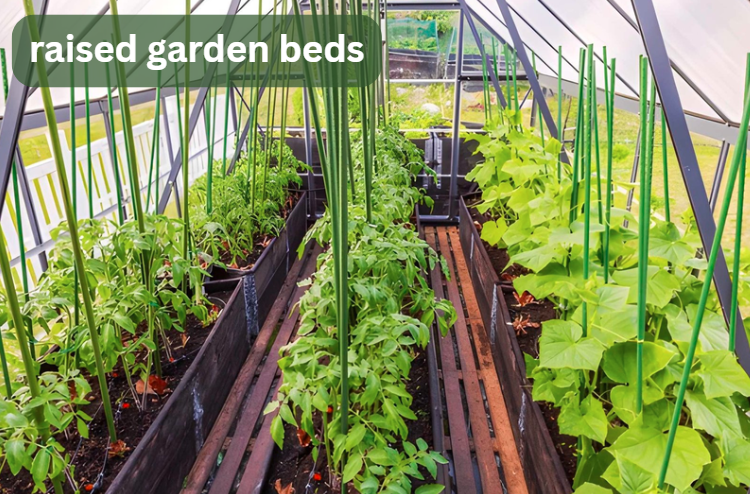
Some plants need support as they grow. This includes tomatoes, cucumbers, and beans. Adding a trellis to raised garden beds helps these plants grow upward instead of spreading out.
This method saves space and improves air flow. Plants stay healthier and are easier to harvest. It also reduces the risk of disease since leaves stay off the ground.
You can attach a simple wooden or metal trellis to the back of the bed. Make sure it is strong enough to hold the weight of the plants.
This setup works well in small yards. It is a smart way to grow more food without taking up extra space.
Many gardeners overlook the benefit of sunlight here. Vertical growth allows better light exposure which leads to stronger plants.
Keyhole Raised Garden Beds
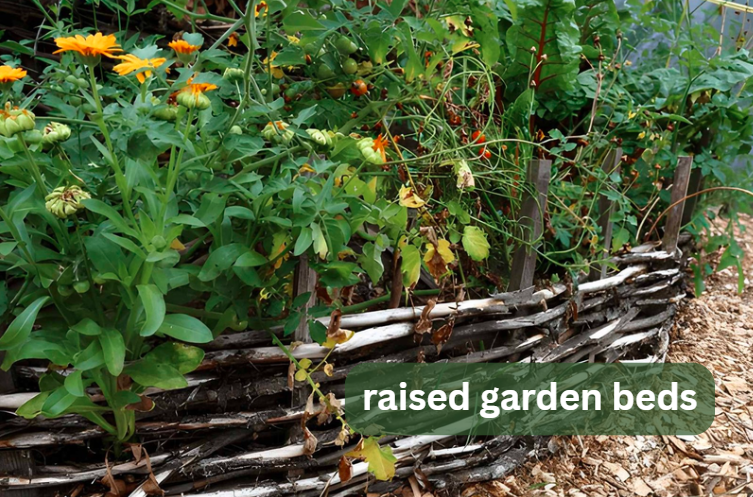
Keyhole beds have a unique shape. They include a small opening that allows you to reach the center easily. This design is common in areas focused on sustainable gardening. This reduces the need for extra fertilizer.
This method fits well with organic gardening methods. It uses natural waste and turns it into plant food. It also saves water since the design keeps moisture inside.
A key advantage is access. You can reach all parts of the bed without stepping on the soil. This keeps the soil loose and healthy.
This design takes more planning but works well for long term gardening.
Hugelkultur Raised Garden Beds
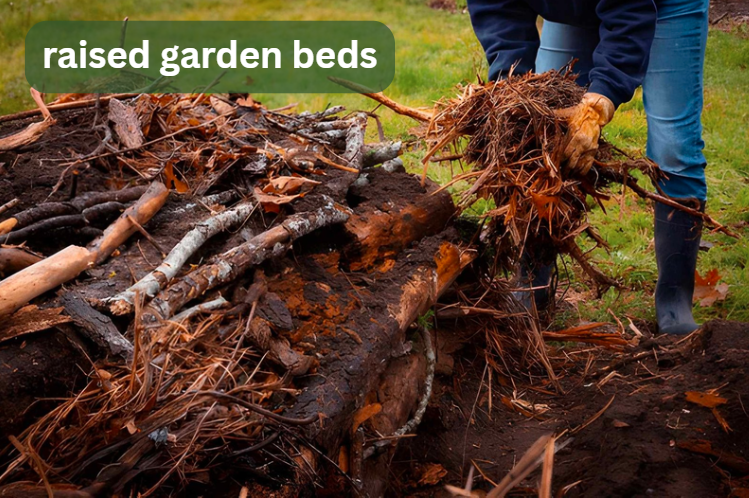
Hugelkultur is a method that uses wood and organic matter inside the bed. Logs, branches, and leaves are placed at the bottom. Soil goes on top.
As the wood breaks down, it releases nutrients. It also holds water like a sponge. This reduces the need for frequent watering.
This method works well in areas with dry weather. It keeps moisture in the soil for longer periods.
Many gardeners use this method as part of backyard gardening ideas that focus on sustainability. It also helps recycle yard waste.
Elevated Raised Garden Beds
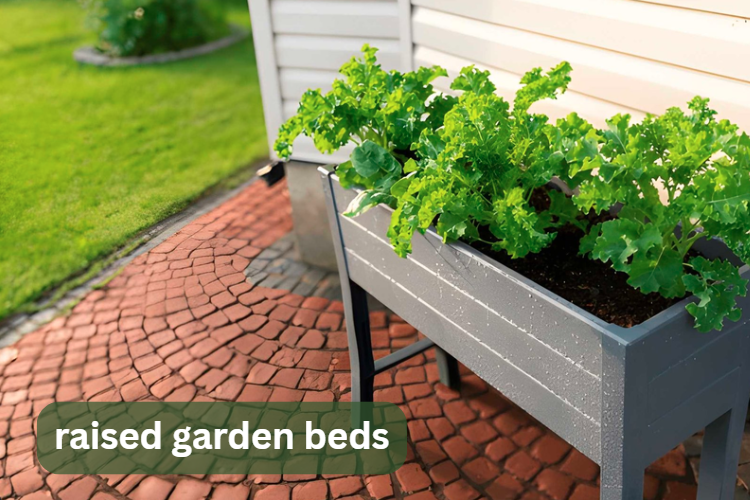
Elevated beds sit above the ground on legs. These raised garden beds also work well in small patios or decks. You can grow herbs, vegetables, or flowers in a compact space.
Drainage is very important here. Make sure the base allows water to flow out. Use a good soil mix to avoid water buildup.
This setup is simple but very effective. It allows anyone to enjoy gardening without physical strain.
Straw Bale Raised Garden Beds
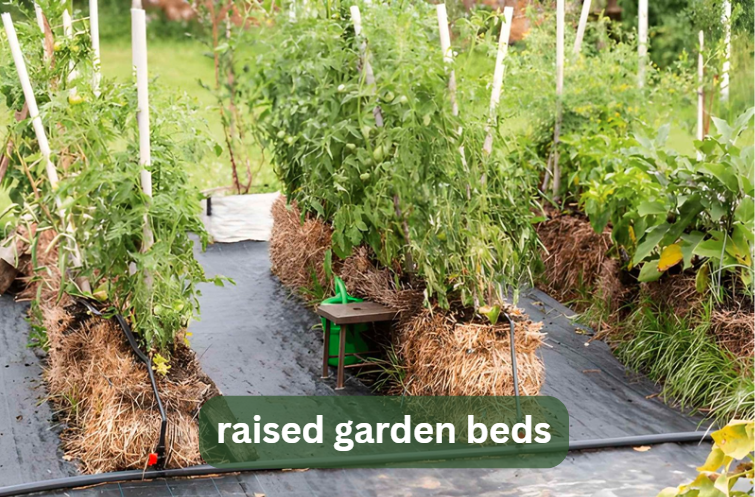
You place them on the ground and condition them with water and nutrients before planting.
Over time, the straw breaks down and becomes compost. It does not require building a frame. It also works well for temporary gardens.
Straw bale gardening fits people trying mygardenandpatio tips for simple setups. It is also a low cost option.
One thing to watch is moisture. Straw dries out faster than soil. Regular watering is important.
Tiered Raised Garden Beds
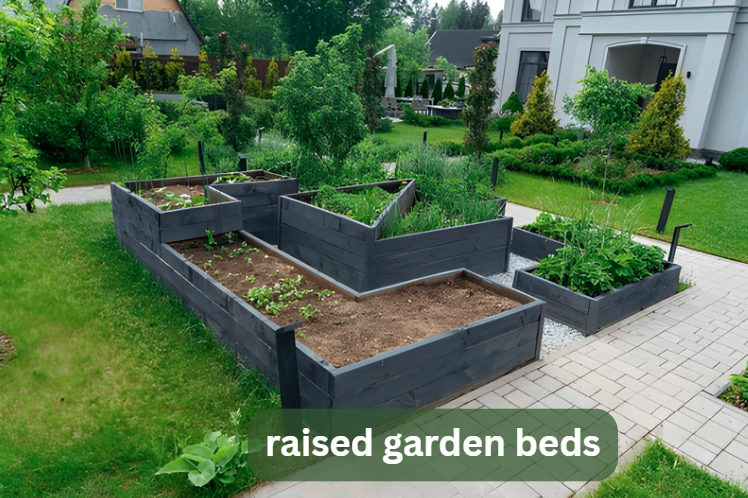
Tiered beds use levels to create more planting space. Each level holds different plants based on their needs.
This method works well on slopes or small yards. It allows better use of vertical space.
Plants that need more sunlight can go on top. Those that prefer shade can go on lower levels. This helps create a balanced growing area.
Tiered raised garden beds also improve water flow. Water moves from top to bottom, keeping all levels moist.
This design adds visual appeal and works well for organized gardening.
Recycled Material Raised Garden Beds
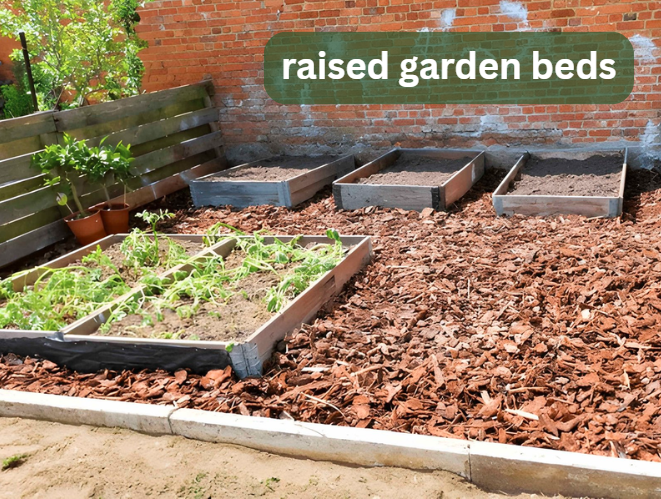
Using recycled materials is a smart way to build raised garden beds. Old bricks, pallets, or containers can be reused.
Many gardeners follow mygardenandpatio robert ideas to reuse materials in practical ways.
Safety is important here. Avoid materials that may contain harmful chemicals. Stick to clean and safe items.
This approach works well for beginners who want to start without large costs.
Final Thoughts
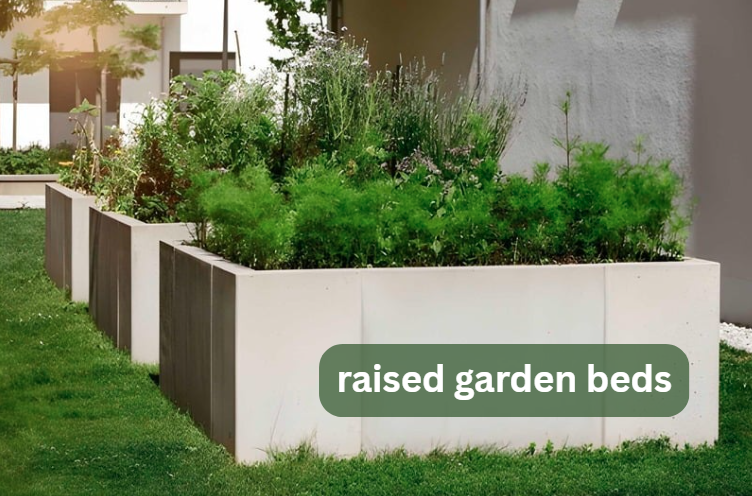
Raised garden beds give you a flexible way to grow plants without depending on the condition of your natural soil. Once you set them up, you start to notice how much easier it is to manage watering, spacing, and plant health. Each method covered in this guide has its own value. Some work best for small spaces, while others suit larger yards. Over time, raised garden beds can turn any yard into a productive space.
Read more visit our website https://robertmygardenandpatio.com/
Pingback: 6 Key Benefits of Garden Maintenance Tips for a Healthier Outdoor Space - Robert Mygardenandpatio
Pingback: 7 Brilliant Garden Renovation Ideas to Transform Your Outdoor Space - Robert Mygardenandpatio