
Organic gardening methods are getting more attention in the United States for a simple reason. People want clean food and a safer way to grow it. Many home gardeners are tired of using chemicals that harm soil and water. They want a natural approach that still gives good results. That is where organic gardening methods come in.
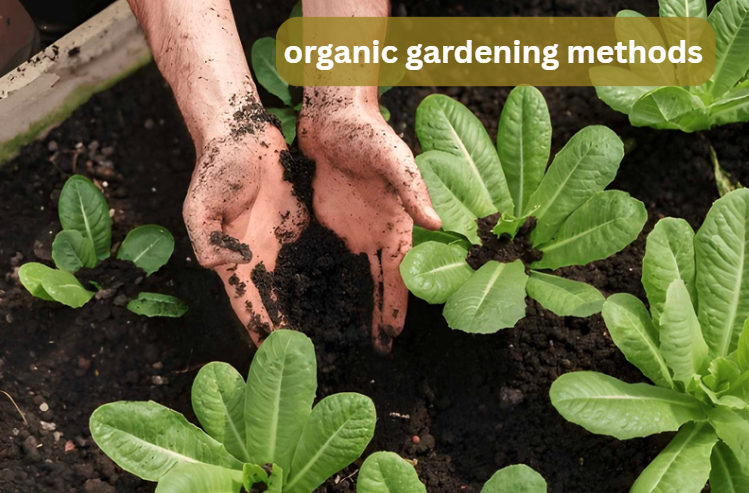
This guide explains how to grow healthy plants using simple and natural steps. You will learn how to build strong soil, manage pests without harsh sprays, and grow better crops over time. The focus stays on real methods that work in everyday home gardens, not just theory.
If you have a backyard, a small patio, or even a few pots, these ideas can help. The goal is not perfection. The goal is steady progress and healthier plants each season. By the end, you will understand how to start and how to improve your garden without relying on synthetic inputs.
What Organic Gardening Methods Really Mean
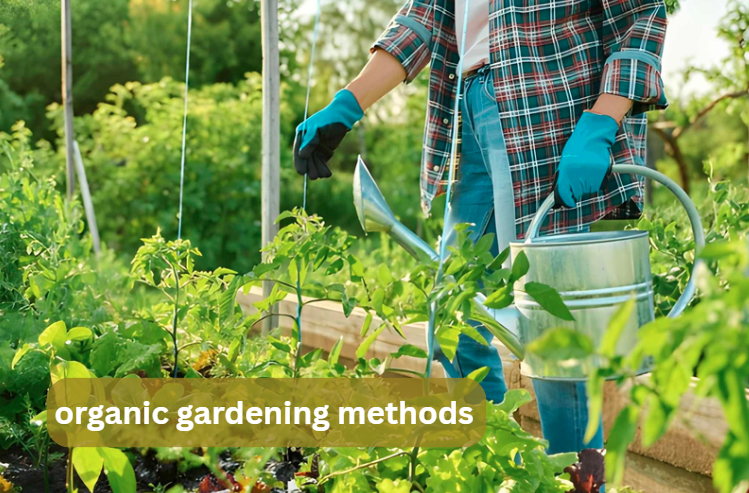
Organic gardening methods focus on working with nature instead of forcing results. In the United States, organic gardening often follows standards set by organic farming rules. Home gardeners do not need certification, but the same basic ideas apply. Avoid synthetic fertilizers and pesticides. Use natural materials. Build soil life.
A key part of organic gardening methods is understanding the soil. Soil is not just dirt. It holds bacteria, fungi, and tiny organisms that help plants grow.
Many new gardeners expect fast results. Organic methods take a bit more time. The first season may not be perfect. Over time, the soil improves and plants become stronger. This long term benefit is why many gardeners stay with this approach.
Another point that matters is balance. Organic gardening does not mean ignoring problems. It means solving them in a safer way.
People who follow organic gardening methods often notice better flavor in fruits and vegetables. That is because plants grow at a natural pace.
Building Healthy Soil for Strong Plants
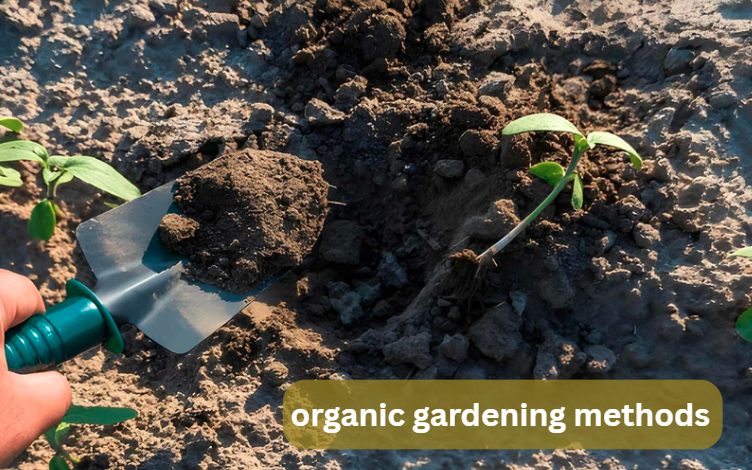
Soil health is the base of all organic gardening methods. Without good soil, nothing else works well.
Start by adding organic matter. You can make compost at home using kitchen scraps and yard waste. Over time, this turns into rich material that plants love.
Fresh manure should not be used directly because it can harm plants. Let it break down first. Mulching is also important. It keeps moisture in and reduces weeds. As mulch breaks down, it feeds the soil.
Home gardening tips testing soil are helpful too. Many gardeners in the United States use simple soil test kits. These show pH levels and nutrient balance. Knowing this helps you adjust your soil the right way.
Natural Fertilizers That Actually Work
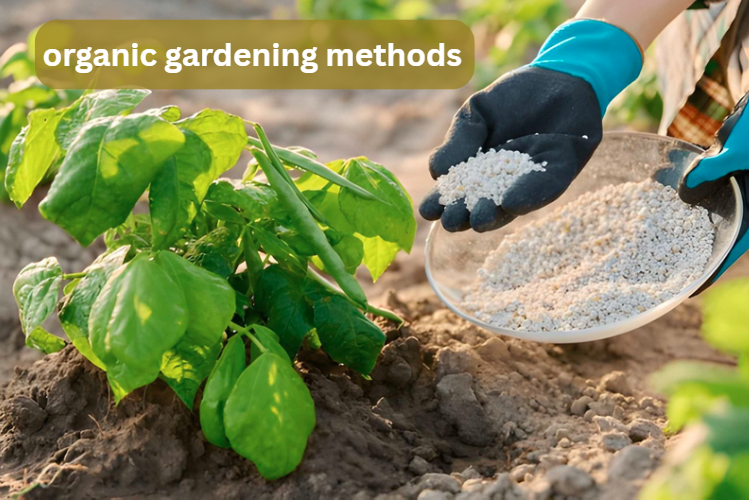
Organic gardening methods depend on natural fertilizers instead of chemical ones. Spread it around plants or mix it into the soil.
Worm castings are another strong choice. They come from earthworms and are rich in nutrients. Many gardeners use them for seedlings because they are gentle.
Bone meal works well for root development. It adds phosphorus, which helps plants grow strong roots. Blood meal adds nitrogen, which supports leafy growth.
One useful tip is to match fertilizer to plant needs. This balance helps plants grow better. Organic fertilizers may act slower than chemical ones. That is normal. The goal is steady growth, not fast growth that weakens plants.
Smart Watering Practices for Organic Gardens
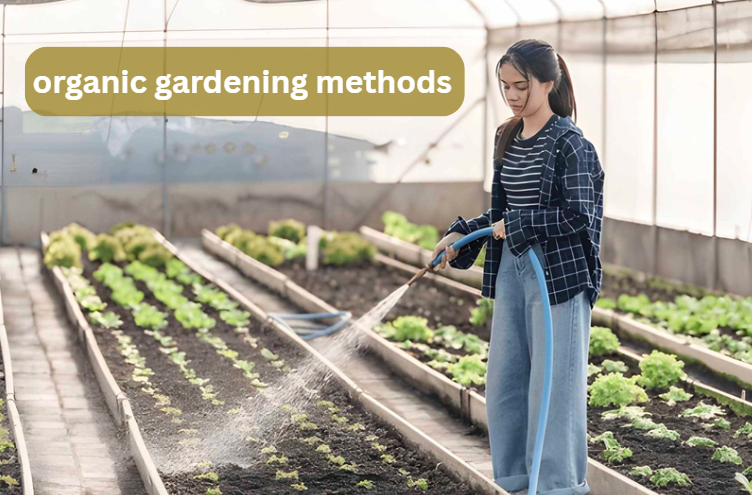
Watering seems simple, but it plays a big role in organic gardening methods. Too much water can harm roots. Too little water can slow growth.
The best approach is deep and less frequent watering. Morning watering works best. It reduces water loss and lowers the risk of disease. Drip irrigation is a good option for many gardens in the United States.
Over time, good watering habits make plants stronger. They also reduce stress, which helps prevent pests and disease.
Weed Control the Natural Way
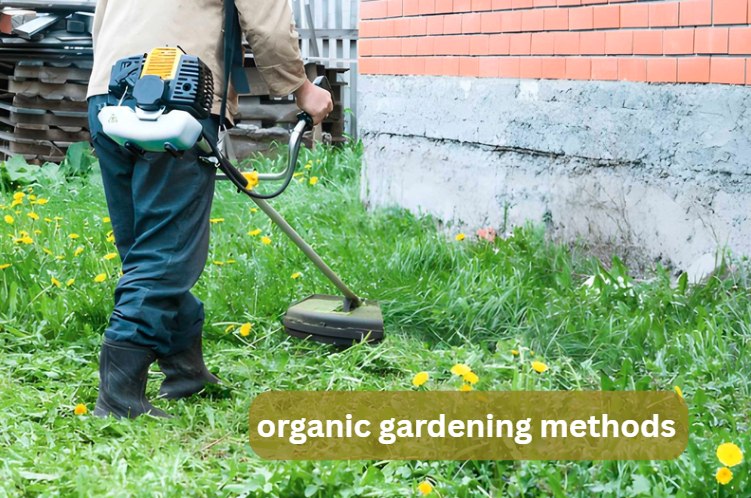
Weeds compete with plants for nutrients and water. Organic gardening methods deal with weeds without chemical sprays.
Mulching is one of the best solutions. Hand weeding is still important. Removing weeds early saves time later. It is easier to pull small weeds than large ones.
Using ground cover plants can also help. These spread across the soil and limit space for weeds.
Another method is crop rotation. Changing plant locations each season reduces weed growth patterns.
Some gardeners use cardboard or newspaper under mulch. This adds another layer of weed control and breaks down over time.
Weed control is ongoing. Small efforts done often are better than large efforts done late.
Crop Rotation and Plant Diversity
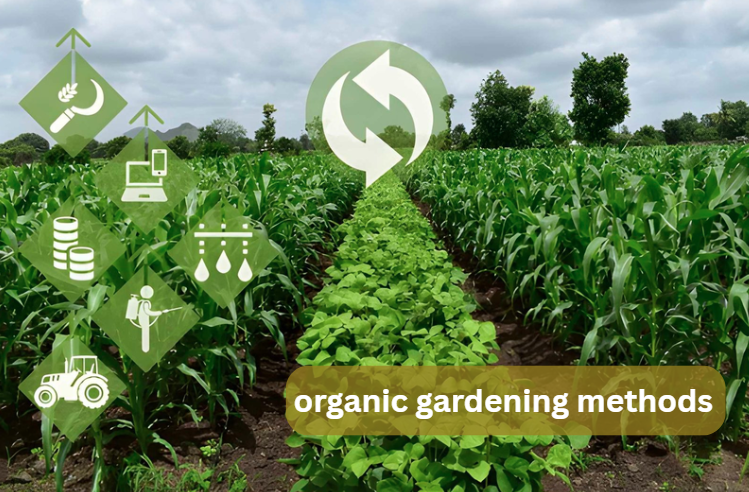
Crop rotation is a key part of organic gardening methods. Plant diversity also matters. A garden with many types of plants is more stable. It attracts beneficial insects and reduces the spread of disease.
For example, mixing vegetables with herbs and flowers creates a healthier space. This approach works well in home gardens across the United States. Even a simple change each season can help.
Composting for Long Term Success
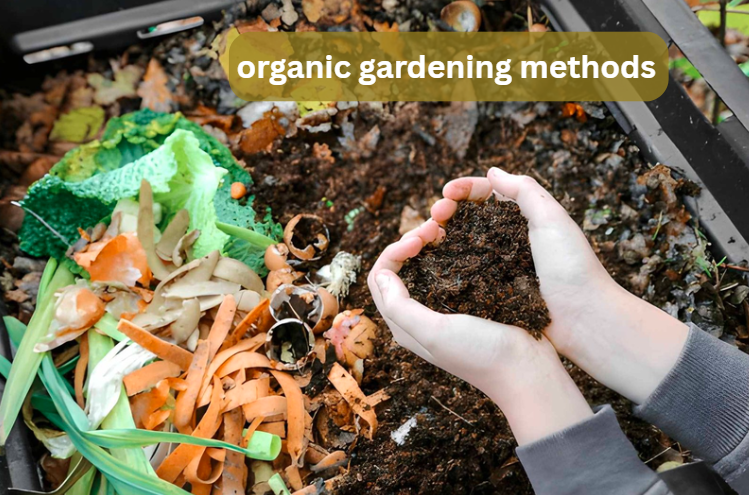
Composting is at the center of organic gardening methods. The key is balance. Mix green materials with brown materials. This helps the compost break down properly.
Turning the pile speeds up the process. It adds air and helps microbes work better. The finished compost looks dark and crumbly. It smells like fresh soil.
Using compost reduces waste and improves soil at the same time. It is one of the simplest ways to support organic gardening.
Organic Gardening in Small Spaces
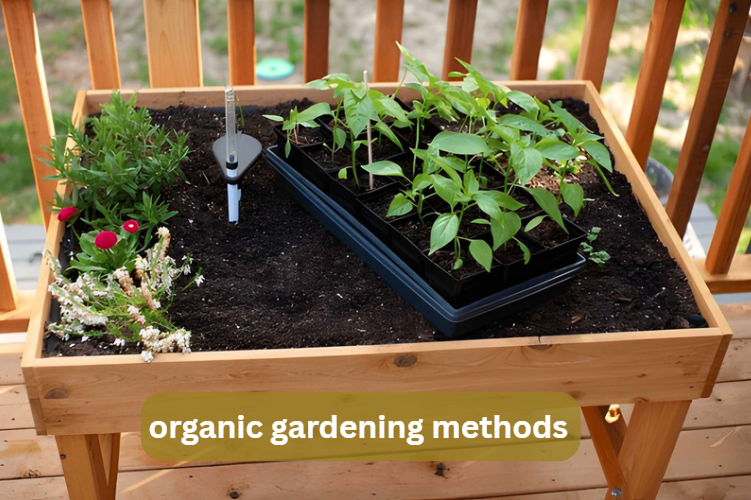
Not everyone has a large yard. Organic gardening methods still work in small spaces.
Container gardening is a good option. For people looking into patio design ideas, combining plants with seating areas can create a useful and relaxing space. Adding outdoor seating near plants makes the space more enjoyable.
Small space gardening still follows the same principles. Focus on soil, water, and plant health.
Seasonal Planning for Better Results
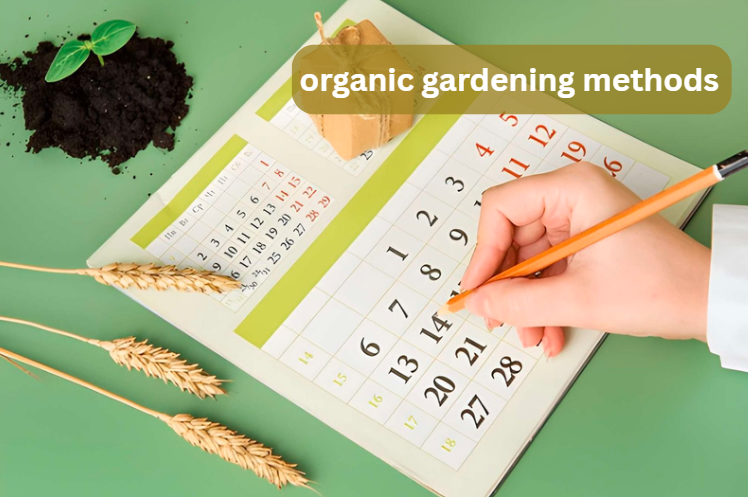
Planning by season helps organic gardening methods work better. Each season has its own needs.
Spring is for planting and preparing soil. Summer focuses on maintenance and watering. Fall is a good time for composting and soil improvement.
Winter planning is often ignored. This is when you can plan next season and improve your setup.
Mygardenandpatio in the United States, climate zones vary. Seasonal planning reduces stress and improves results year after year.
Real Life Experience and Practical Insight
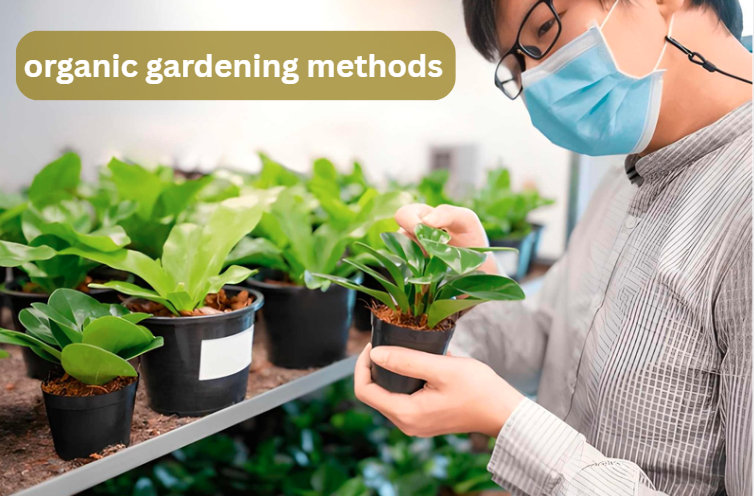
Many gardeners learn through trial and error. Books and guides help, but real experience matters more.
A common lesson is that organic gardening methods require patience. Quick fixes rarely work. Long term habits bring better results.
Another insight is that every garden is different. Soil, climate, and space all affect outcomes. Sources like robert mygardenandpatio and mygardenandpatio robert often focus on practical outdoor ideas that match real home setups.
Conclusion
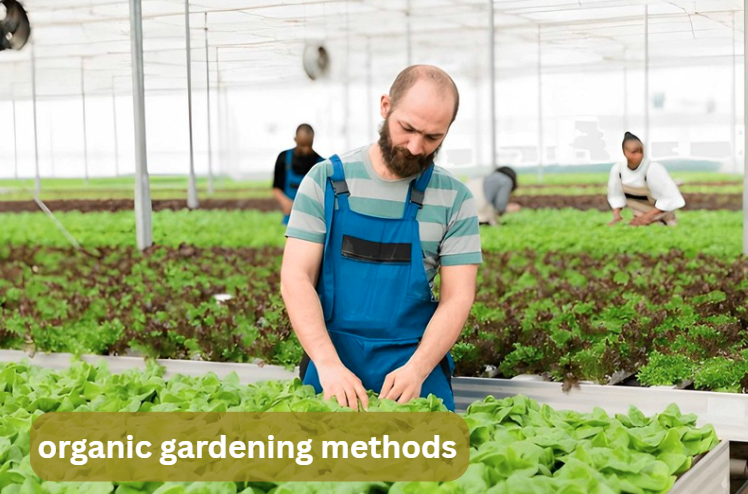
Organic gardening methods offer a simple and natural way to grow healthy plants. The focus stays on soil health, balanced care, and long term improvement.
These methods do not promise instant results. They build strength over time. Each season improves the next one.
Even small changes can make a big difference. Adding compost, watering wisely, and avoiding chemicals all help.
Organic gardening is not about doing everything perfectly. It is about making better choices step by step. Over time, those choices lead to a healthier garden and better food.
Read more visit our website https://robertmygardenandpatio.com/