
A gazebo changes a backyard more than almost anything else you can add to it. One day it’s an empty corner of grass, and a few weeks later it’s where everyone ends up, whether that’s morning coffee, a Sunday cookout, or just somewhere to sit after work and not look at your phone. It works on a tiny patio in the suburbs and on a big open lot out past the city limits.
This guide walks through MGAPGazebo gazebo tips from MyGardenAndPatio, focused on layouts, materials, and ways to get more than one use out of the same structure. There are eight ideas here, plus a few practical questions homeowners ask once they’ve actually started building. If you’re trying to figure out how to get more out of your yard this year, this is a decent place to start.
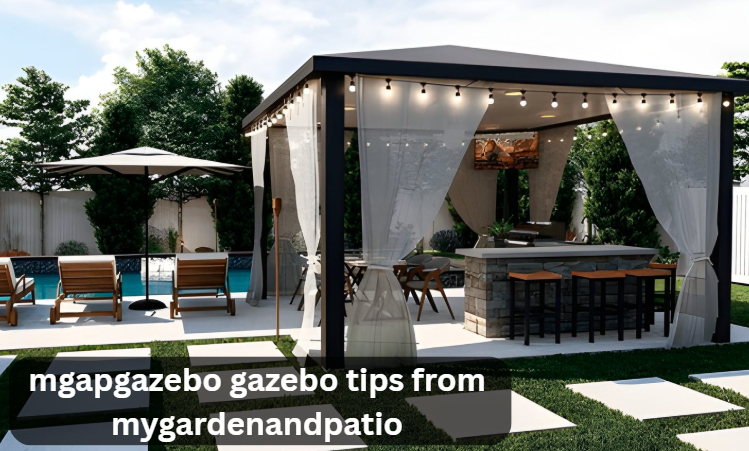
Why Are So Many Homeowners Adding Gazebos Right Now?
Outdoor space stopped being an afterthought a while back. For a lot of families, it’s become a second living room, just without walls. People want somewhere shaded, comfortable, and a little bit removed from the house, even if it’s only fifteen feet from the back door.
A gazebo fits that gap well. It gives you a roofline without committing to a full addition, shade without blocking the view of the yard, and a spot that visually says “this is the place to be” the moment you walk outside. Based on what the team at mygarden has seen across a lot of backyard projects, the gazebos that actually get used aren’t the biggest or the fanciest. They’re the ones built around how the family already spends time outside.
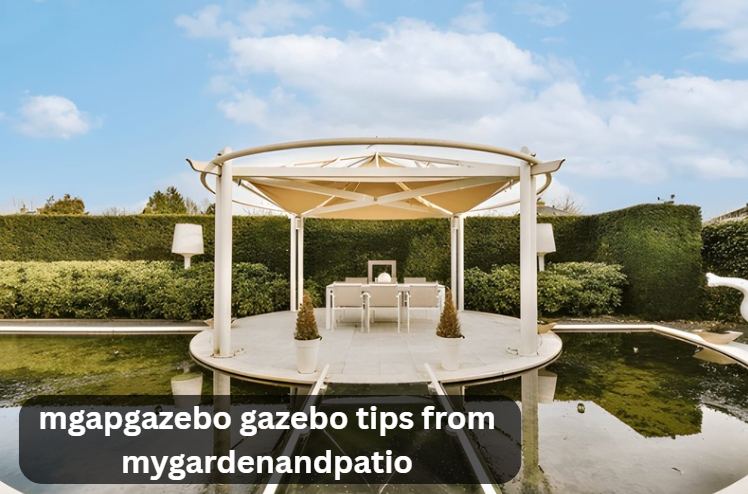
What Are the Best Gazebo Ideas for Different Homes? MGAPGazebo Gazebo Tips from MyGardenAndPatio
Here are eight setups that cover most situations, from a small patio to a wide backyard.
| # | Gazebo Idea | Best For | Setup Difficulty |
| 1 | Outdoor dining room with string lighting | Families who entertain often | Moderate |
| 2 | Reading nook with built-in shelving | Small backyards, quiet corners | Easy |
| 3 | Garden bar with a mini fridge | Weekend gatherings, summer parties | Moderate |
| 4 | Yoga or meditation pavilion | Anyone trying to build a morning routine | Easy |
| 5 | Kids’ play and craft zone | Families with young children | Easy |
| 6 | Garden office or studio | Remote workers | Moderate |
| 7 | Fire pit lounge with weatherproof seating | Cooler climates, year-round use | Advanced |
| 8 | Pergola-style gazebo with climbing plants | Garden lovers | Moderate |
Some of these overlap more than you’d think. A dining gazebo with good lighting becomes a fire pit lounge once the sun goes down, for instance. If you’re tackling other parts of the property at the same time, the mgapgarage garage guide by covers a lot of the same “make a dead space useful” thinking, just applied indoors.
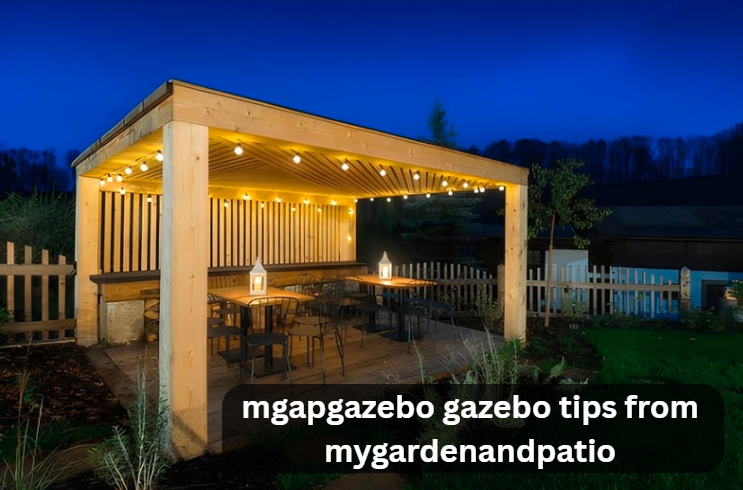
How Do You Pick the Right Style for Your Yard?
A dining-focused gazebo needs a solid roof and screened sides, mostly to deal with sun and bugs at dinnertime. A reading or meditation space, on the other hand, often works better open, so the breeze can move through.
One thing that comes up again and again in MGAPGazebo gazebo tips from MyGardenAndPatio is to measure your furniture before you order anything. A 10×12 structure looks roomy in a showroom photo, then suddenly feels tight once a table, chairs, and a side bar are squeezed in. robert mygardenandpatio has pointed this out across several planning guides, and it’s one of those small steps that’s easy to skip and expensive to fix afterward.
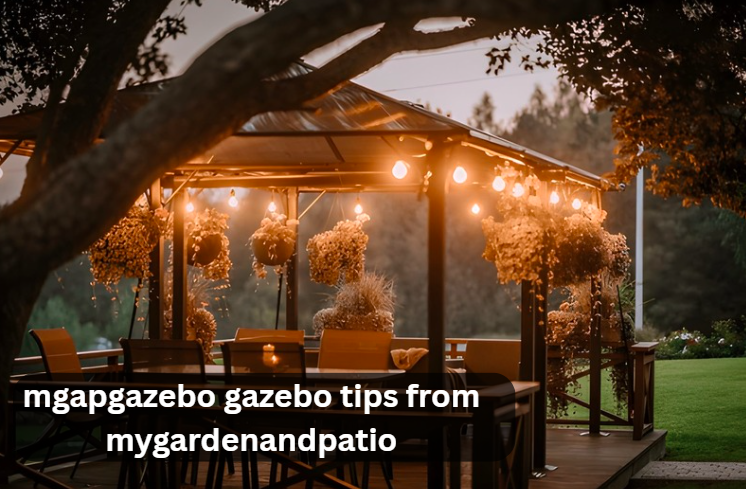
Which Materials Actually Hold Up Over Time?
Material affects looks, upkeep, and how long the thing lasts before you’re replacing parts of it.
| Material | Durability | Maintenance | Typical Lifespan |
| Cedar wood | High | Moderate, needs staining | 15-20 years |
| Vinyl-coated steel | Very high | Low | 20-25 years |
| Aluminum | High | Very low | 25+ years |
| Bamboo or composite | Moderate | Low | 8-12 years |
If you’re somewhere with humid summers or real winters, aluminum or vinyl-coated steel tends to age better with the least fuss. Robert generally suggests picking the frame material first and then matching the roof and screening it, rather than falling in love with a roof style and working backward.
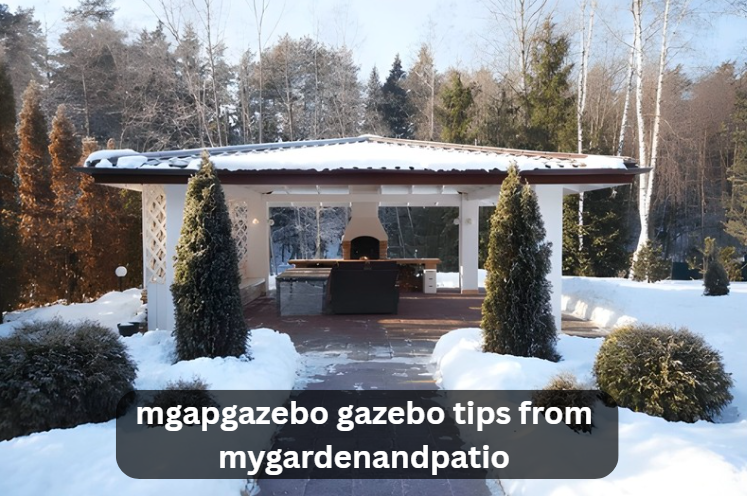
Can One Gazebo Really Do More Than One Job?
Yes, and it’s worth designing for it from the start instead of bolting things on later. A few ways to get more out of the same footprint:
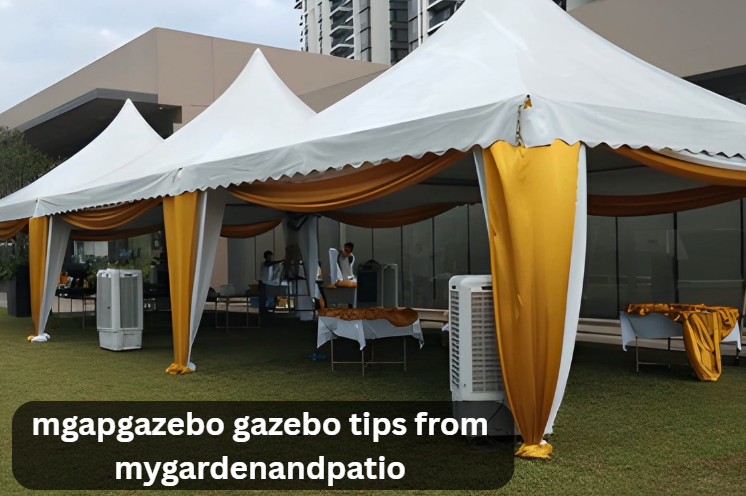
- Retractable curtains, so a dining setup turns into a private lounge after dark
- Modular furniture that can be rearranged for a party, a workday, or kids running around
- Solar lighting, so the space stays usable into the evening without running new wiring
- A weatherproof storage bench for cushions and games when they’re not in use
That kind of flexible thinking runs through most of the MGAPGazebo gazebo tips from MyGardenAndPatio, and honestly, it’s the difference between a gazebo that gets used three times a year and one that’s basically part of the house. If a hot tub is part of your bigger backyard plan, the mgaphottub hot tub tips guide pairs naturally with a fire pit lounge or a year-round relaxation setup.
Frequently Asked Questions
Do I need a permit for a gazebo in the US? It depends on your city or county, and on the size of the structure. A lot of places let you put up a small, freestanding gazebo without any paperwork, but anything larger or permanently anchored often needs a permit. Worth a quick call to your local building department before you order materials.
How much does a decent gazebo cost? There’s a huge range. A basic pop-up canopy might run a few hundred dollars, while a custom, permanent structure with wiring and finished flooring can climb into the thousands.
Can you use a gazebo all year? With the right additions, yes. Heaters, enclosed sides, insulated roofing, and weatherproof furniture all help, though how much depends on your climate.
What’s the simplest way to add privacy? Outdoor curtains, lattice panels, or fast-growing climbing plants like clematis or jasmine are all low-cost options that don’t require any real construction.
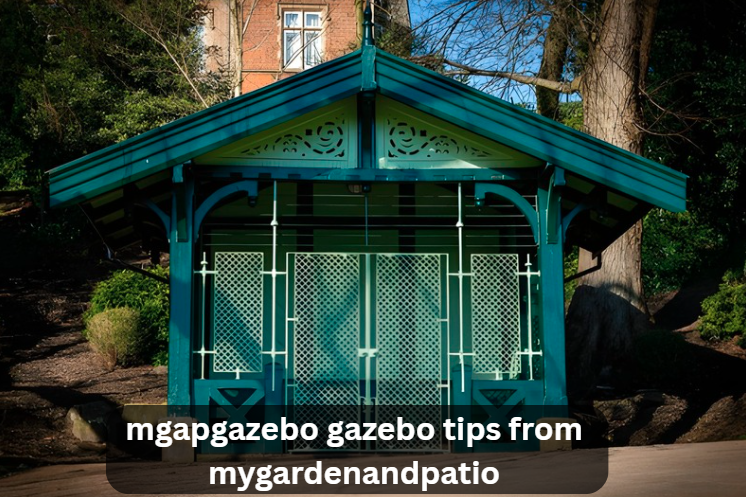
Where Do You Go From Here?
A gazebo is one of those projects where the small decisions matter more than the big ones. Frame material, furniture sizing, what you actually plan to do in there, that’s where most of the value comes from. These MGAPGazebo gazebo tips from MyGardenAndPatio are meant as a starting point, and the right combination will look a little different depending on your climate and how your family actually uses the yard. For more ideas as they come out, check latest, or browse the rest of the outdoor living guides at www mypatio .com.
Must visit our website https://robertmygardenandpatio.com/