
A gazebo can turn a dead corner of the yard into the spot everyone gravitates to. The hard part is choosing a style of wood or metal, open-sided or screened, modern or something that looks like it’s been there for decades. That’s the gap the MGAPGazebo Gazebo Guide by MyGardenAndPatio tries to fill.
The guide was put together by robert mygardenandpatio, who’s spent years writing about backyard structures for US homeowners and focuses on what holds up in different climates. Below are seven gazebo styles from that guide, with notes on who tends to be happiest with each.
By the end, you’ll have a clearer sense of which style fits your yard and what materials are worth the extra money.
What Actually Makes a MGAPGazebo Gazebo Guide by MyGardenAndPatio Stylish
Stylish doesn’t mean expensive. The gazebos that still look good five years in usually match the house same roof pitch, similar trim color, proportions that don’t dwarf the yard.
This keeps coming back to three things: a roofline that echoes the home’s architecture, materials suited to the local climate, and enough open floor space for actual furniture.
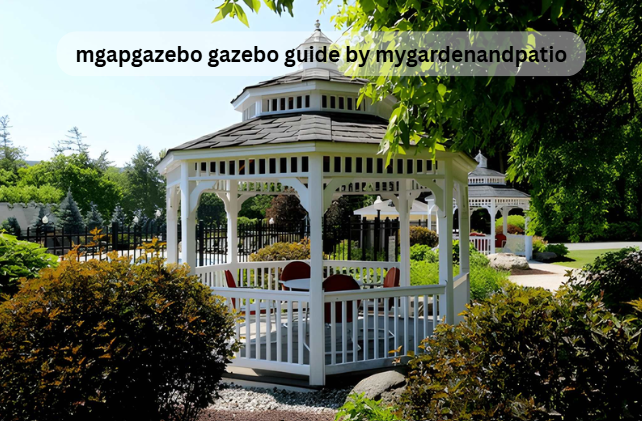
1. Classic Wooden Pavilion Gazebo
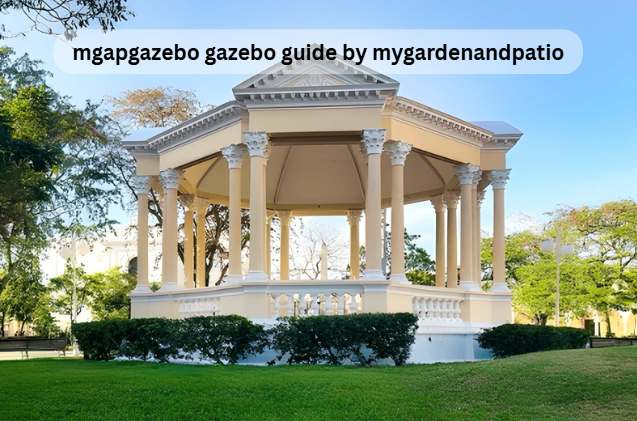
Wood is still the default for most backyards, and for good reason. It’s warm-looking, easy to stain or paint to match a house, and blends into landscaping. Cedar and pressure-treated pine are the two woods you’ll see most often on US gazebos, since both resist rot reasonably well.
A classic pavilion gazebo is usually just an open frame topped with a peaked or hip roof – no walls, just posts and a ceiling. That openness makes it a great dining spot: shade and airflow without feeling boxed in.
| Feature | Detail |
| Common materials | Cedar, pine, redwood |
| Average lifespan | 15-20 years with sealing every 2-3 years |
| Best for | Backyard dining, lounge seating |
| Maintenance level | Moderate (staining/sealing needed) |
2. Modern Aluminum Frame Gazebo with a Flat or Low-Slope Roof
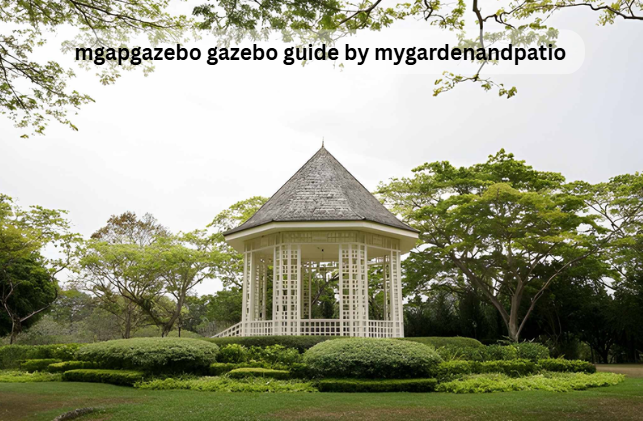
If your house leans modern – clean lines, minimal trim, black window frames – a wooden pavilion can look out of place. Aluminum-framed gazebos solve that: light, rust-resistant, and pairing naturally with glass, polycarbonate, or fabric roof panels.
The MGAPGazebo Gazebo Guide by MyGardenAndPatio notes these have become especially common in hot states like Arizona, Texas, and Florida, where wood dries out and cracks far faster.
3. Screened In Gazebo for Bug Season
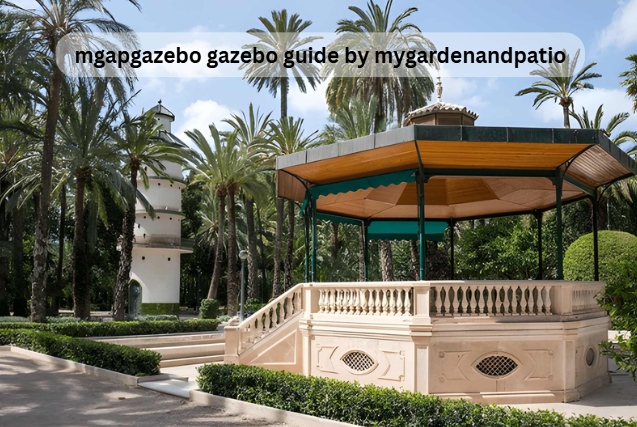
If you’ve ever eaten dinner outside somewhere with serious mosquitoes, you know why screened gazebos exist. Mesh panels run along every open side, sometimes with a zippered door, keeping bugs out while still letting a breeze through.
This style earns its keep most in the Midwest and Southeast, where bug season can make an unscreened patio nearly unusable for months. A ceiling fan inside often stretches outdoor evenings by a couple extra hours.
4. Pergola Style Open Gazebo with Climbing Plants
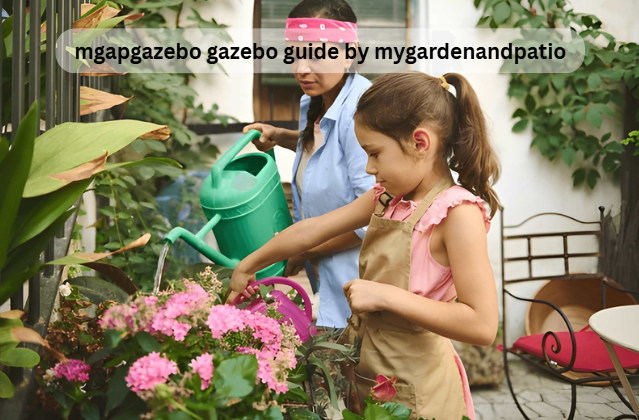
Not every gazebo needs a solid roof. A pergola is essentially a frame of slatted or open beams with enough structure to support climbing plants like wisteria, jasmine, or grapevines, while letting sunlight filter through.
This one’s for people who don’t mind waiting. The shade fills in gradually as the plants grow, often over a season or two. It’s also usually the cheapest of the seven styles here, since there’s far less roofing material involved.
If you’re leaning toward a pergola and thinking about what goes near it, the mgaphottub hot tub guide by mygardenandpatio covers positioning hot tubs near open-roof structures like this.
5. Stone or Brick Based Permanent Gazebo
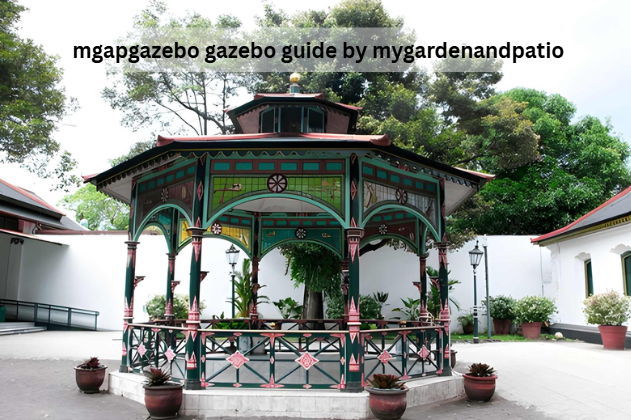
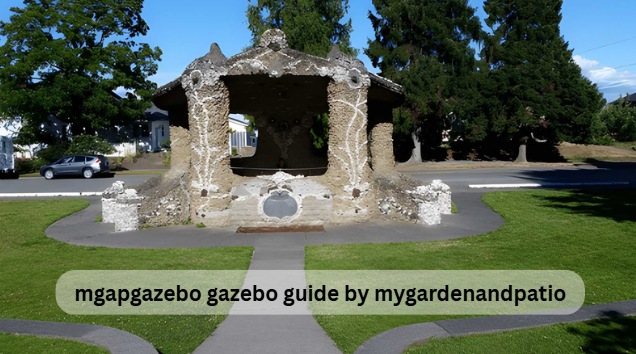
For homeowners who want something that’s basically part of the house, a gazebo on a stone or brick foundation with masonry pillars is about as permanent as it gets. Many include a built-in fireplace or fire pit, stretching the usable season into fall and sometimes winter in milder climates.
The mgapgazebo gazebo guide by mygardenandpatio is upfront that these cost more and almost always need a contractor. But the tradeoff is that it stops being a structure in the yard and starts being closer to an outdoor room.
A permanent build like this is also where many homeowners start thinking about a sauna as a companion structure. The mygardenandpatio sauna archives has several guides on pairing a sauna with a setup like this.
| Style | Upfront Cost | Permanence | Climate Suitability |
| Wooden Pavilion | Moderate | Medium | Most US regions |
| Aluminum Frame | Moderate-High | Medium-High | Hot/sunny climates |
| Screened Gazebo | Moderate | Medium | Humid/bug-heavy regions |
| Pergola-Style | Low | Low-Medium | Most US regions |
| Stone/Brick | High | High | Cold/mixed climates |
| Hexagonal Garden | Moderate | Medium | Most US regions |
| Modular/Portable | Low | Low | Renters, flexible spaces |
6. Hexagonal or Octagonal Garden Gazebo
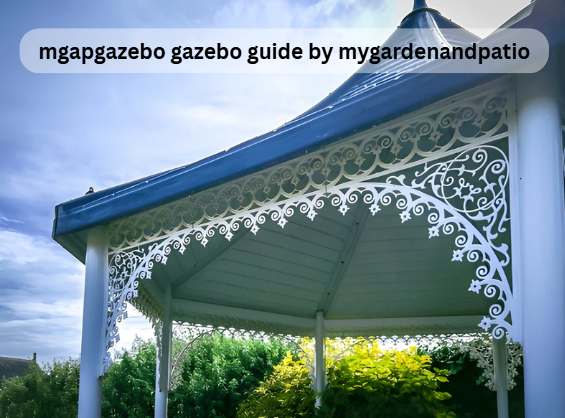
A hexagonal or octagonal gazebo just feels like a garden party, and that’s not an accident; this shape has been a staple of formal garden design for a long time. The extra angles open sightlines in every direction, so wherever you’re sitting, you’re looking out at something.
It tends to work best as a destination piece, the thing at the end of a path, often with bench seating built around the inside walls. If your yard already has some symmetry to it, this shape slots in without feeling forced.
For more layout ideas along these lines, mgapgazebo gazebo tips from mygardenandpatio covers a few variations on this style, including how to size seating for different yard widths.
7. Modular or Portable Gazebo for Renters and Flexible Spaces
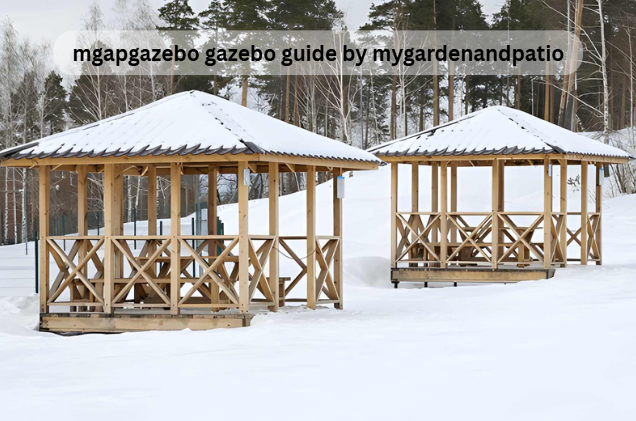
Not everyone owns their place, and not everyone wants to commit to something permanent before they know how they’ll use it. Modular gazebos kits with a steel or aluminum frame and a fabric or polycarbonate canopy go up in a weekend and come back down just as fast if you move.
MyGardenAndPatio points to these as a good starting point if you’re renting or just not sure yet. They’re also the easiest option to relocate later if your plans change.
If a hot tub is part of the plan even with a portable gazebo, the mgaphottub hot tub tips from mygardenandpatio page has notes on setups that can move with you.
FAQs
What size gazebo do I need for a typical backyard? Most residential gazebos fall between 10×10 and 14×14 feet. A 10×10 fits a small table and chairs; go 12×12 or bigger for a dining set that seats six to eight.
How long does it take to build a gazebo? A modular kit is often a weekend project. A custom wooden pavilion usually takes one to two weeks. Masonry foundations can stretch to several weeks.
Can I install a gazebo myself, or do I need a contractor? Modular and pergola kits are usually fine for a DIY weekend with help. Wooden pavilions are doable with some experience. Stone, brick, or poured foundations are typically a contractor’s job.
Do gazebos need a permit? Often, yes. Many areas require one past 100-120 square feet or for permanent foundations – worth a quick call to your building department first.
What’s the best material for a gazebo in a humid climate? Aluminum and vinyl generally hold up better than wood – less warping, rot, and mold. If you want a wood look anyway, cedar does better than pine in damp conditions.
Final Thoughts
Whether you end up with a classic wooden pavilion, a sleek aluminum frame, or a pergola you’re slowly growing into shade, the right choice comes down to your climate, your yard’s layout, and how you’ll use the space. The MGAPGazebo Gazebo Guide by MyGardenAndPatio goes deeper on all seven styles, with more on sizing, materials, and regional fit – and if you’re curious who’s behind these guides, mygardenandpatio robert has the background.
Must read more our website https://robertmygardenandpatio.com/