
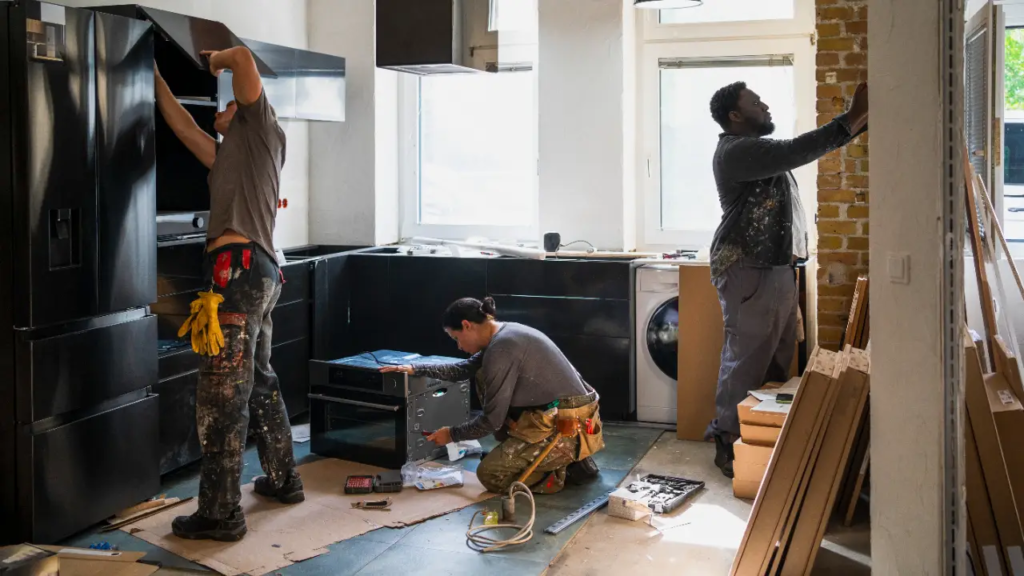
Renovation projects often move quickly, especially when homeowners and contractors are eager to see visible progress. Amid demolition, material deliveries, and overlapping trades, waste management can easily be treated as a secondary concern. Yet many renovation delays, cost overruns, and workflow disruptions trace back to avoidable waste handling mistakes made early in the project.
For both contractors and homeowners, understanding common waste management missteps helps reduce friction during renovations and supports smoother execution from start to finish.
Underestimating Debris Volume
One of the most frequent mistakes on renovation projects is underestimating how much debris will be generated. Even modest updates such as kitchen remodels or bathroom renovations can produce more waste than expected once demolition begins.
When debris volume is underestimated, containers fill prematurely, forcing work to slow or stop while additional service is arranged. This often leads to rushed decisions and higher costs. More importantly, it disrupts the project schedule at a point when momentum matters most.
Accurate debris estimation should account not only for removed materials but also packaging, damaged items, and unexpected discoveries behind walls or under floors.
Selecting the Wrong Dumpster Size
Choosing a dumpster that is too small or too large creates different types of problems. Undersized containers fill quickly and require extra hauls, while oversized dumpsters may take up valuable space or block access on residential properties.
Renovation projects benefit from aligning dumpster size with the most waste-intensive phase of work, typically demolition. Planning for timely removal once that phase ends helps avoid paying for unused capacity later in the project.
Size decisions should reflect both volume and material type, especially when dense materials such as tile or plaster are involved.
Poor Dumpster Placement
Dumpster placement is often decided quickly, without considering how it will affect daily workflow. Containers placed too far from active work areas increase handling time as debris must be carried longer distances. Poor placement can also interfere with deliveries, subcontractor access, or homeowner use of the property.
Repositioning dumpsters mid-project typically requires coordination and downtime. Thoughtful placement planning before delivery helps ensure waste disposal supports productivity rather than disrupting it.
Delaying Dumpster Delivery
Another common mistake is scheduling dumpster delivery after demolition begins. This often results in debris being piled temporarily in work areas, yards, or driveways. While this may seem manageable in the moment, it usually creates double handling later when the debris must be moved again.
Early delivery ensures that waste has a designated destination from day one. This reduces clutter, improves site organization, and allows demolition work to proceed without interruption.
Ignoring Weight Considerations
Many renovation projects focus on volume while overlooking weight limits. Dense materials such as roofing, tile, concrete, or plaster can exceed weight thresholds even when the container is not full.
Exceeding weight limits may require partial unloading or additional service, both of which delay progress. Understanding the type of debris being generated helps contractors and homeowners select appropriate container options and avoid unexpected complications.
Failing to Plan for Project Phases
Renovations rarely generate waste at a consistent rate. Demolition produces large volumes quickly, while later phases generate smaller amounts more gradually. Treating waste management as a static service throughout the project often leads to inefficiencies.
Planning waste handling around project phases supports better alignment between capacity and need. This may involve scheduling hauls strategically or adjusting container size as work progresses.
Poor Communication Between Parties
On many renovation projects, responsibilities for waste management are not clearly defined. Contractors, subcontractors, and homeowners may assume someone else is monitoring container levels or scheduling service.
This lack of clarity can result in missed pickups, overflow, or delays. Establishing clear responsibility for waste coordination helps prevent confusion and ensures timely service throughout the project.
Overlooking Site Access and Neighborhood Impact
Residential renovations often take place in close proximity to neighbors. Overflowing debris, blocked sidewalks, or poorly placed dumpsters can lead to complaints or access issues that distract from the work.
Considering neighborhood impact as part of waste planning helps maintain a cleaner site and reduces external pressures. Proper placement and timely removal support both professionalism and smoother project execution.
Treating Waste Removal as an Afterthought
Perhaps the most common mistake is treating waste removal as an afterthought rather than a planning element. When waste management is reactive, it often becomes a source of repeated disruption.
Proactive planning integrates waste handling into the renovation schedule, aligning service timing with demolition, installation, and cleanup activities. This approach reduces last-minute adjustments and supports steadier progress.
Many renovation projects run more smoothly when supported by experienced providers such as Waste Removal USA, whose familiarity with renovation workflows helps align waste service with real-world project conditions.
Waste management mistakes on renovation projects are rarely dramatic, but their cumulative impact can be significant. Underestimating debris, choosing the wrong container, poor placement, and reactive planning all contribute to delays and inefficiencies that affect both contractors and homeowners.
By anticipating waste needs, aligning service with project phases, and integrating waste removal into early planning, renovation projects can maintain cleaner sites and more predictable timelines. When waste management is treated as a functional part of the renovation process rather than a secondary task, projects are better positioned for efficient, controlled execution.