
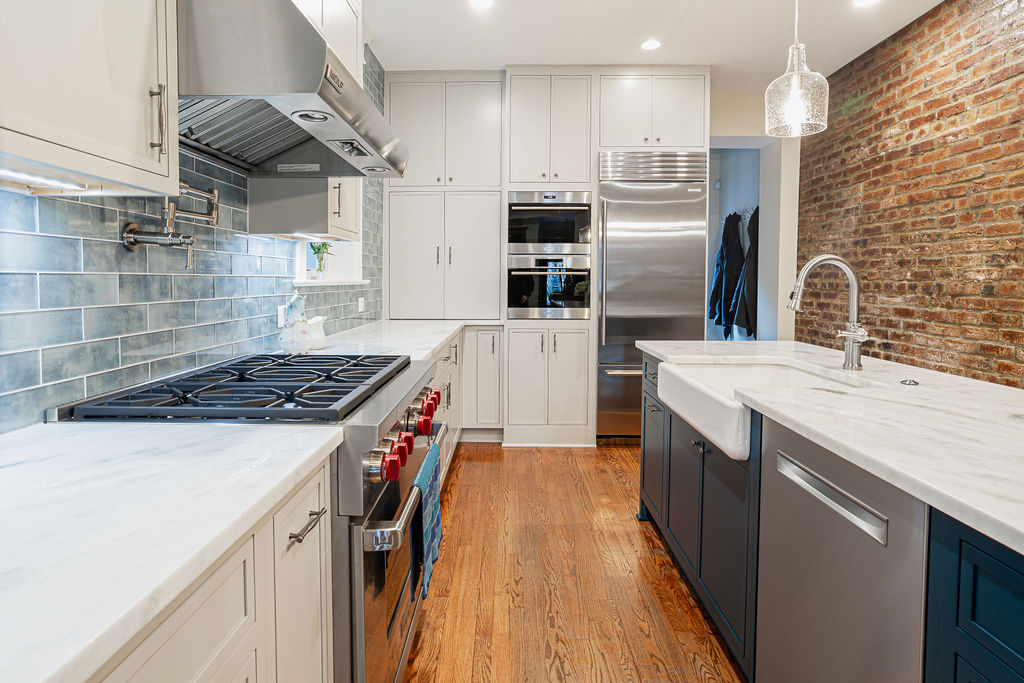
A kitchen renovation is rarely just about new cabinets or better lighting. It is a chance to rethink how the most used room in the home supports daily routines, long term comfort, and future resale value. Homeowners who approach this project with a clear strategy tend to get more than a visual upgrade. They get a space that feels intuitive, durable, and tailored to real life.
Unlike cosmetic updates, kitchen renovations involve decisions that are difficult and expensive to reverse. Layout changes, plumbing locations, electrical planning, and material selections all interact with one another. Getting those fundamentals right from the start is what separates a kitchen that looks good from one that works well for years.
Start With Function Before Style
The most successful kitchen renovations begin with an honest assessment of how the space is used today. That means paying attention to traffic flow, storage pain points, and how many people typically occupy the kitchen at once. A household that cooks nightly has different needs than one that uses the kitchen primarily for entertaining or quick meals.
Before choosing finishes, map out zones for cooking, cleaning, prep, and storage. This helps clarify whether the existing layout supports those tasks or needs adjustment. In many older homes, kitchens were designed for one cook and minimal appliances. Modern households often benefit from wider clearances, better sightlines, and more flexible work surfaces.
This is also where local context matters. A thoughtfully planned Toronto Kitchen Renovation often balances efficient use of space with durable materials that can handle heavy, year round use. The goal is not to chase trends but to create a kitchen that fits the way the home actually functions.
Layout Decisions That Pay Off
Changing a kitchen layout can dramatically improve usability, but it should be done with intention. Moving plumbing or gas lines increases complexity and cost, so those changes should deliver clear benefits.
Common layout improvements include opening up enclosed kitchens to improve light and connection, extending counters for additional prep space, or reconfiguring work triangles to reduce unnecessary steps. Islands remain popular, but they should earn their footprint. An island that crowds walkways or blocks appliance access quickly becomes a frustration.
Clearances matter more than most homeowners expect. Walkways that feel generous on paper can feel tight once cabinets and appliances are installed. Planning with full scale dimensions, not just rough sketches, helps avoid these issues.
Materials That Balance Durability and Design
Material selection is where aesthetics and performance intersect. Kitchens are exposed to moisture, heat, spills, and constant use, so finishes need to be resilient as well as attractive.
Cabinet construction quality matters more than door style. Solid boxes, durable hardware, and proper installation ensure cabinets remain functional long after trends change. For countertops, homeowners increasingly look for surfaces that resist staining and require minimal maintenance while still offering visual appeal.
Flooring should be chosen with traffic and comfort in mind. Kitchens see more foot traffic than most rooms, and standing for long periods demands materials that are forgiving underfoot and easy to clean.
Lighting Is Not an Afterthought
Lighting is often underestimated in kitchen renovations, yet it has a direct impact on how the space feels and functions. A well lit kitchen uses layers of light rather than relying on a single ceiling fixture.
Task lighting under cabinets improves visibility for prep work. Ambient lighting creates overall brightness without harsh shadows. Accent lighting adds depth and highlights architectural features or finishes. Together, these layers make the kitchen more comfortable and adaptable throughout the day.
Energy efficient lighting choices also contribute to long term savings. Many homeowners see lighting upgrades as part of a broader effort to improve household efficiency and reduce ongoing costs.
Storage That Reduces Daily Friction
One of the most common renovation goals is better storage. Not necessarily more storage, but smarter storage. Deep drawers for pots, pull out pantry systems, and custom inserts can transform how easily a kitchen functions.
Designing storage around actual habits makes a noticeable difference. Frequently used items should be accessible without bending or reaching. Seasonal or rarely used items can be stored higher or deeper. This approach reduces clutter and keeps work surfaces clear.
According to recent renovation spending data, kitchens remain one of the top areas where homeowners are willing to invest due to their impact on daily life and resale value, with a significant portion of renovation budgets allocated to cabinetry and storage solutions. This reflects how central storage efficiency has become to kitchen design. https://www.statista.com/statistics/1252732/home-renovation-spending-canada-by-room/
Budgeting With Long Term Value in Mind
A kitchen renovation is a major investment, and budget decisions should reflect both immediate needs and future value. Cutting costs in areas that affect structure or functionality often leads to regrets. At the same time, not every upgrade delivers meaningful returns.
Allocating more of the budget to layout improvements, quality cabinetry, and reliable appliances tends to pay off over time. Decorative elements can be adjusted later, but core components are far more difficult to change once installed.
Well planned kitchen renovations consistently rank among the home improvements with strong resale impact. Recent housing market analysis shows that updated kitchens are one of the features buyers value most when assessing a home’s condition and overall appeal. https://www.nar.realtor/research-and-statistics/research-reports/remodeling-impact-report
Managing the Renovation Process
Even the best design can fall short if the renovation process is poorly managed. Clear timelines, coordinated trades, and realistic expectations help keep projects on track. Homeowners benefit from working with professionals who understand how design decisions translate into construction realities.
Communication is critical throughout the build. Decisions made during demolition or installation often affect later stages, so having a clear point of contact and documented plans reduces costly changes.
Living through a kitchen renovation also requires planning. Temporary cooking setups, dust control, and realistic schedules help minimize disruption and stress during the project.
A Kitchen Built for Real Life
A successful kitchen renovation does not announce itself with flashy details. It reveals its value gradually, through smoother routines, easier cooking, and a space that feels comfortable without effort. When function, materials, and layout align, the kitchen becomes a place that supports daily life rather than complicating it.
Homeowners who take the time to plan thoughtfully often find that their renovated kitchen delivers returns far beyond aesthetics. It becomes a long term asset, both financially and in how it improves everyday living.