
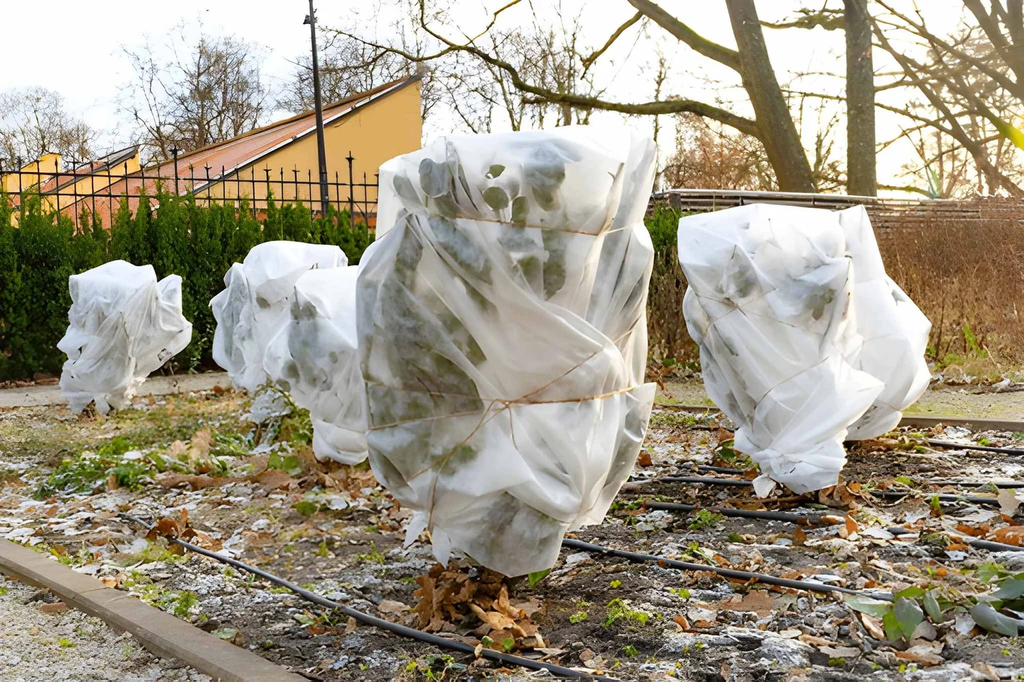
When should you cover garden plants overnight? Cover them when the forecast low drops to 36°F or colder on a clear, calm night, especially for tender plants like tomatoes, peppers, basil, and impatiens. Put the covers on in late afternoon, before the sun sets, and remove them the next morning once temperatures climb above freezing.
Frost doesn’t announce itself. On a clear October evening the air feels crisp but harmless, the forecast says 38°F, and you go to bed. By sunrise, the basil is black and limp, and the neighbor’s covered tomatoes are fine. The difference was a bedsheet and ten minutes of work.
The tricky part is that thermometers lie a little. Cold air pools in low spots, and clear skies let ground heat escape fast, so your garden can run several degrees colder than the number on your phone.
This guide explains when to cover garden plants overnight, which plants need it, what covers work best, how to put them on and take them off, and mistakes that do more harm than frost. It is general guidance, so check your local forecast and extension service.
When to Cover Garden Plants Overnight: The Quick Answer
Cover garden plants overnight when the low is forecast at 36°F or below, since frost can form on the ground a few degrees above freezing. Tender plants are damaged near 32°F. Cover them before sunset to trap the day’s stored heat, and uncover them in the morning once the air warms.
| Forecast Low | Risk | Action |
|---|---|---|
| 40°F and above | Low | No cover needed |
| 36 to 39°F | Possible ground frost | Cover tender plants |
| 29 to 32°F | Light freeze | Cover all but the hardiest plants |
| 28°F and below | Hard freeze | Use thick covers or harvest early |
Which Plants Need Cover Most?
Warm-season plants suffer first. Leafy greens, roots, and cabbage-family crops handle light frost, and many taste sweeter afterward.
| Cover These | Usually Fine Without Cover |
|---|---|
| Tomatoes, peppers, eggplant | Kale, collards, spinach |
| Basil, cucumbers, squash | Carrots, beets, parsnips |
| Impatiens, coleus, begonias | Broccoli, cabbage, Brussels sprouts |
| Young transplants and seedlings | Pansies, violas, mums |
| Blossoming fruit trees in spring | Dormant perennials |
What Should You Use to Cover Garden Plants Overnight?
Choose breathable fabric. Plastic traps moisture and transfers cold wherever it touches leaves.
| Cover | Protection | Notes |
|---|---|---|
| Frost cloth (row cover) | About 4 to 8°F | Best all-around option |
| Old bedsheets or blankets | About 3 to 6°F | Free, but heavy when wet |
| Burlap | About 2 to 4°F | Good for shrubs |
| Cardboard boxes or buckets | Varies | Quick cover for single plants |
| Plastic sheeting | Some, but risky | Keep it off the leaves with stakes |
Protection numbers are approximate and vary with wind, moisture, and fit.
How Do You Cover Garden Plants Overnight, Step by Step?
Water the soil in the afternoon. Moist soil holds more heat than dry soil and releases it through the night. Then, before sunset, drape the cover over the plant and extend it all the way to the ground, anchoring the edges with rocks, soil, or garden staples. Sealing the bottom traps rising soil warmth.
For tall or delicate plants, set stakes or hoops first so the fabric doesn’t crush stems. Containers are easier: move them against the house wall or into a garage.
When Should You Take the Covers Off?
Remove covers in the morning once the temperature rises above freezing and frost has melted. Leaving them on through a warm, sunny day can overheat plants, so don’t forget. If a cold stretch lasts several days, remove covers during the daytime so plants get light and pollinators can reach flowers.
Which Mistakes Hurt Plants More Than Frost?
Covering too late, after the heat is gone, leaves little to trap. Using plastic against the leaves can freeze them where they touch. Skipping the ground seal lets warmth escape. Wet fabric also loses insulation, so shake off rain and snow when you can. And watch the wind, since gusts can blow covers loose by midnight.
How Do You Know Frost Is Coming?
Check a local forecast for frost advisories and freeze warnings from the National Weather Service. The worst nights are clear, calm, and dry, when heat radiates upward freely. Cloudy, breezy nights act like a blanket, so frost risk drops. A cheap min-max thermometer placed at plant height gives a more honest reading than a weather app.
FAQ
What temperature should you cover plants?
Cover tender plants when the low is forecast at 36°F or colder. Cover hardy plants once temperatures fall to the low 30s.
Is it too late to cover plants after dark?
Not too late, but earlier is better. Covering before sunset traps more heat, so a late cover helps less.
Can you cover plants with a plastic tarp?
Only with support so it doesn’t touch leaves. Frost cloth or a sheet is safer.
The bottom line: cover garden plants overnight when frost is possible, not just when it’s certain. Water the soil, cover before dusk, seal the edges, and remove covers in the morning.
for more information visit https://robertmygardenandpatio.com/