
A good garden does not need perfect conditions. It needs steady care and simple habits. Many people across the United States put in effort at the start, then lose track of routine work. That is when plants weaken and the space starts to look messy. Using garden maintenance tips helps you stay on track without doing too much at once. It keeps things simple and clear.

When you follow the right garden maintenance tips, you deal with problems early. Soil stays healthy, plants grow better, and weeds do not take over. You do not need expensive tools or complicated methods. What matters is consistency. Small actions done on time make a big difference later.
A lot of gardeners learn through trial and error, but it helps to follow advice that already works. Platforms like mygardenandpatio share practical ideas based on real use, not theory. This article focuses on six real benefits of using garden maintenance tips the right way. It is written to help you build a garden that is easy to manage and stays healthy through the seasons.
Understanding the Basics of Garden Maintenance Tips
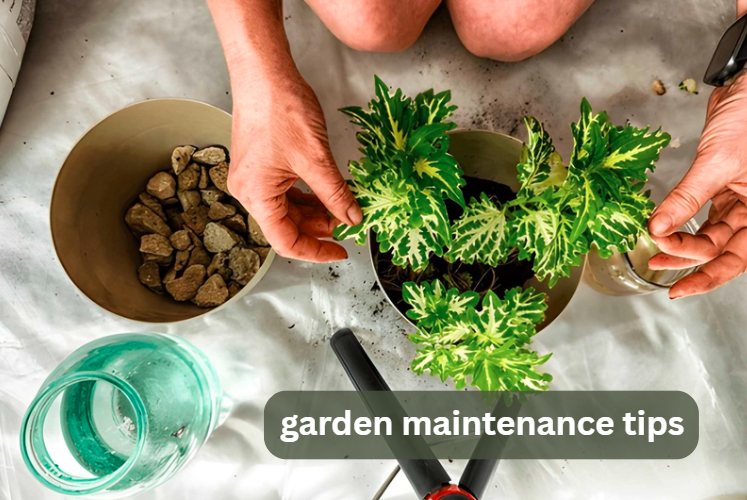
Robert mygardenandpatio care starts with the basics. Soil health, watering, pruning, and spacing all matter. When these are ignored, plants struggle no matter how good they looked at the start. Good garden maintenance tips focus on keeping these basics in check through each season.
Healthy soil is the first step. Soil that drains well and holds nutrients gives plants a strong base. Many gardeners improve soil by adding compost or organic matter. This helps roots grow deeper and stronger. It also reduces the need for chemical fertilizers over time.
Watering is another key part. Too much water can harm roots. Too little slows growth. The best approach is to water deeply but less often. This encourages roots to go deeper into the soil. In many parts of the United States, early morning watering works best because it reduces evaporation.
Pruning helps plants grow in the right shape. This reduces the chance of disease. Garden maintenance tips often stress regular checks instead of waiting for problems to appear.
Spacing matters more than most people think. Crowded plants compete for light and nutrients. This leads to weaker growth. Many homeowners use methods like raised garden beds to control soil quality and improve drainage.
Better Plant Health and Strong Growth
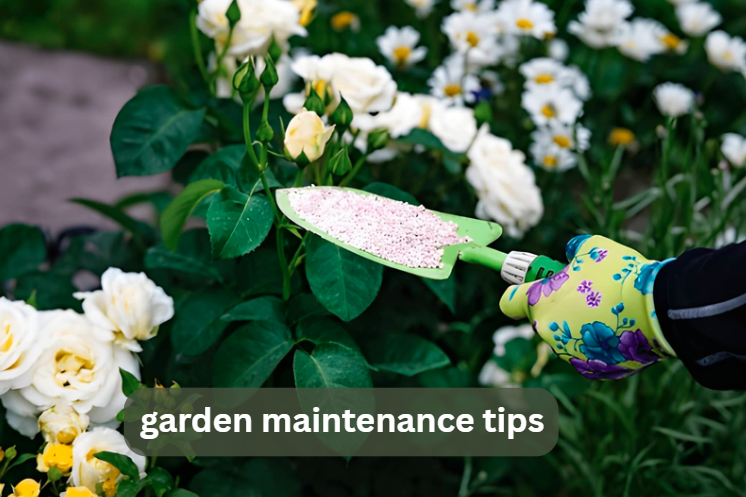
Healthy plants start with proper feeding. Organic compost and balanced nutrients help plants grow naturally. Over time, this reduces the need for extra products. container gardening ideas many gardeners in the United States prefer this approach because it supports long term soil health. Fixing these early prevents bigger issues later.
Air flow is another factor. Plants need space to breathe. Pruning and spacing improve air movement and reduce this risk. Sunlight exposure also matters. Each plant has its own needs. Good maintenance leads to stronger roots, better blooms, and more consistent growth.
Saving Time and Reducing Effort
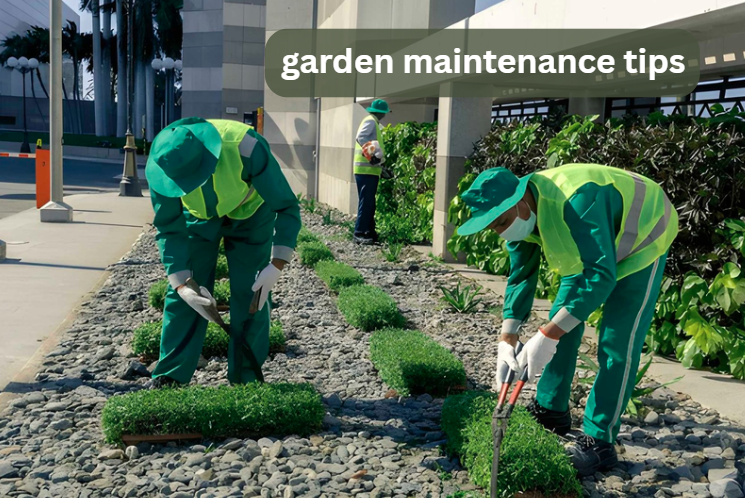
At first, garden work can feel like a lot. But proper garden maintenance tips actually save time in the long run. When you stay consistent, you avoid major problems that take hours to fix. Regular checks take less time than full cleanups.
Watering routines also help. Setting a schedule keeps plants healthy without overthinking it. Many homeowners use simple timers or drip systems to make this easier.
Mulching is another time saver. Some people follow advice from garage archives mygardenandpatio to keep their equipment in order. When tools are easy to find, tasks feel less like work.
Consistency is the key here. Small actions done often prevent bigger tasks later. Over time, your garden starts to maintain itself with less effort.
Improving Soil Quality Over Time
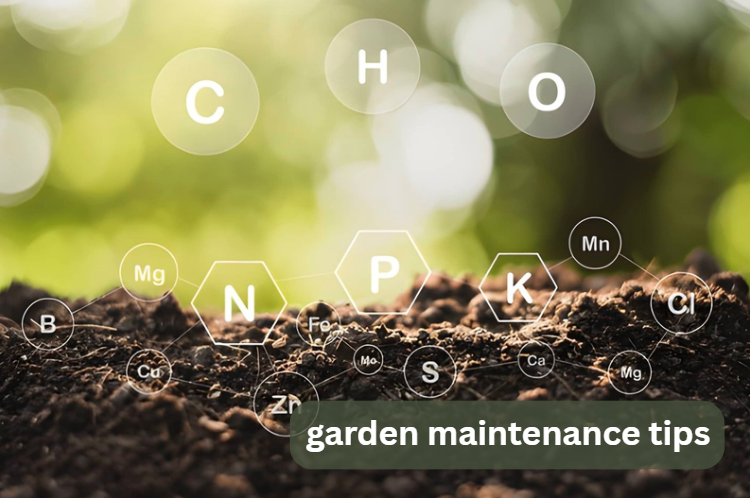
Soil quality decides how well your garden performs. Garden maintenance tips focus on improving soil step by step instead of quick fixes.
Adding organic matter is one of the best ways to build soil health. Healthy soil holds water better. This means less frequent watering. It also drains excess water, which prevents root rot.
Soil life also improves with good care. Microorganisms break down organic material and release nutrients. Many gardeners test pH levels and nutrient content once or twice a year. This guides their maintenance plan.
Following garden maintenance tips builds soil slowly but steadily. Over time, your garden becomes more productive and less dependent on outside inputs.
Resources like mygardenandpatio latest often share updates on soil care methods that work in real conditions. This helps gardeners stay informed and adjust their approach.
Enhancing Outdoor Appearance
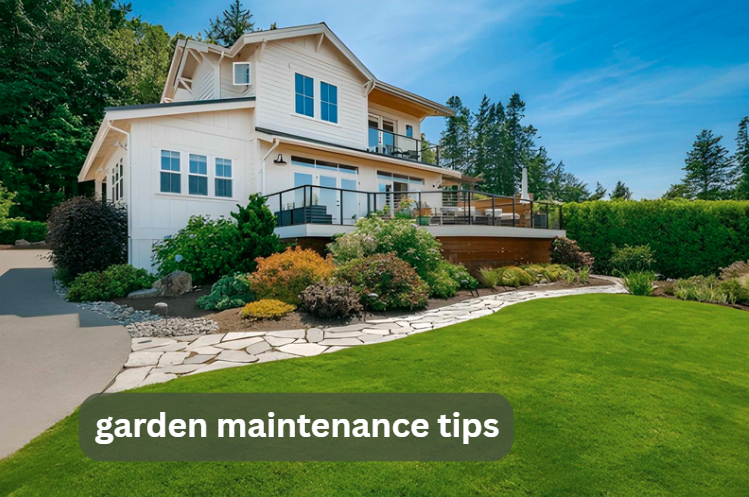
A well maintained garden improves how your home looks. This is one of the most visible benefits of garden maintenance tips. Clean edges, healthy plants, and balanced design create a welcoming space.
Regular trimming keeps plants in shape. It prevents overgrowth and keeps paths clear. This makes the space easier to use and more enjoyable.
Color balance also matters. Hardscape elements like paths and borders also need care. Cleaning and minor repairs keep them looking fresh. This adds to the overall appeal.
Many homeowners look for simple diy solutions. Guides like mgapdiy diy advice from mygardenandpatio offer practical ways to improve outdoor spaces without spending too much.
Increasing Property Value
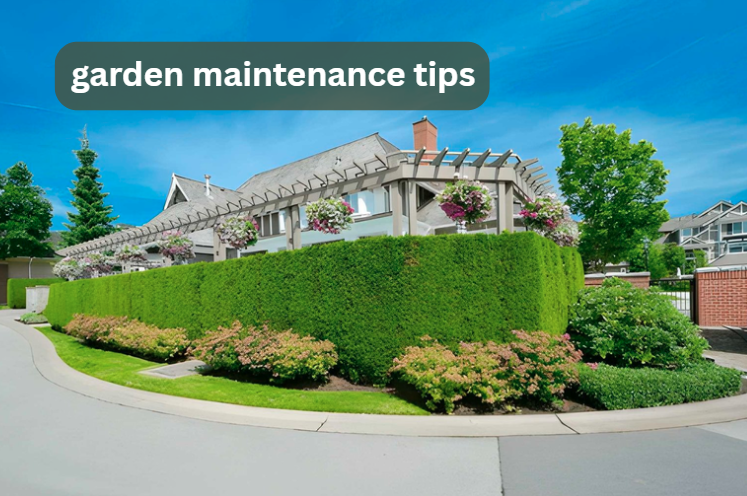
A well cared garden can increase property value. Buyers often notice outdoor spaces before anything else. Garden maintenance tips help create a strong first impression.
Healthy lawns and plants show that the home is well maintained. This builds trust with potential buyers. It also reduces concerns about hidden issues.
Outdoor living spaces are popular in the United States. Patios, seating areas, and garden layouts add usable space. When these areas are clean and well kept, they add real value.
Low maintenance gardens are also attractive. Buyers prefer spaces that do not require heavy work. Simple layouts with durable plants make a big difference.
Supporting Environmental Health
Garden care is not just about looks. It also affects the environment. Good garden maintenance tips support local ecosystems and reduce waste. Many gardeners use rain collection systems to support this.
Native plants are another smart choice. They require less water and support local wildlife. Birds and pollinators benefit from these plants.
Reducing chemical use protects soil and water. Organic methods keep your garden safe for pets and people.
Following garden maintenance tips creates a balanced system. Your garden becomes part of the natural environment instead of working against it.
Final Thoughts
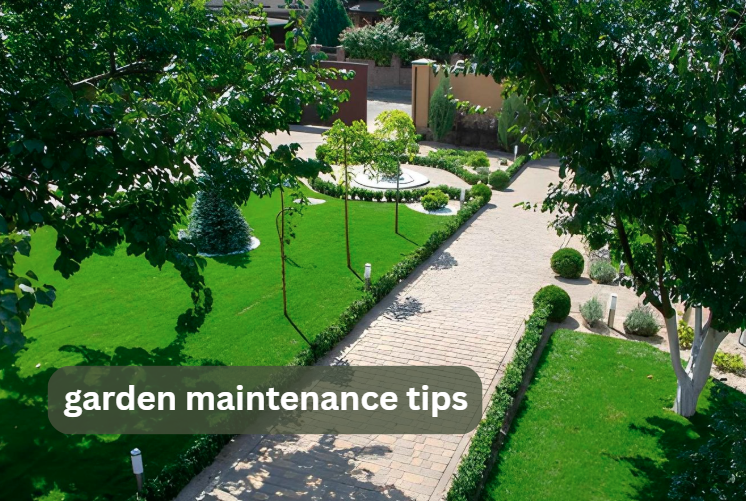
A garden gets better when you keep things simple and stay consistent. You start to notice fewer problems because you deal with them early, not after they grow. That alone saves time and effort.
Many people think gardening takes too much work, but most of that stress comes from missed care. When you follow steady garden maintenance tips, your tasks become smaller and more predictable. Watering, pruning, and checking your plants turn into quick habits instead of long chores.
Planting at the right stage of the year makes growth smoother and reduces failure. A seasonal planting guide helps you understand when to plant and what to expect as the weather changes. When you follow this along with regular garden maintenance tips, your garden stays more stable and predictable throughout the year.
You save time, improve plant health, and create a place you enjoy. The benefits go beyond looks. They affect your daily routine and even your home value.
Start small and stay consistent. Over time, your garden will reflect the effort you put into it.
Read more visit our website https://robertmygardenandpatio.com/