
The Importance of Window Detailing in Exterior Architecture
Windows influence far more than natural lighting inside a home. They establish rhythm across the exterior elevation, shape architectural balance, and create visual transitions between siding, rooflines, porches, and entry structures. When window openings rely solely on flat trim systems or synthetic decorative materials, however, the facade can appear visually shallow and disconnected from the surrounding architecture.
Traditional residential design addresses this issue through the use of natural wood detailing. Exposed timber accents create stronger shadow lines, visible texture, and dimensional framing around windows, helping the facade feel more layered and architecturally intentional. Among the many wood species available for exterior construction, cedar continues to remain one of the most widely respected because it combines long-term durability with authentic natural warmth.
Why Cedar Continues to Perform Well Outdoors
Exterior wood elements must withstand changing weather conditions throughout every season. Moisture, direct sunlight, insects, and fluctuating temperatures all place continuous stress on outdoor materials. Cedar remains especially valuable because it naturally resists many of these environmental challenges without sacrificing its appearance.
Unlike many synthetic products that fade or become brittle over time, cedar develops character gradually while maintaining structural stability. Its natural oils help protect against decay and insect activity, while its grain structure allows it to weather more gracefully than many other exterior wood species. This combination of resilience and visual warmth explains why cedar remains highly desirable in custom residential architecture.
How Cedar Window Details Add Architectural Depth
What Cedar Feature Adds Architectural Detail Around Exterior Windows?
Exterior windows shape the proportions and rhythm of a home’s facade, but flat trim systems and synthetic materials often leave those openings visually disconnected from the surrounding architecture. Traditional residential design frequently introduces natural wood accents around windows to create stronger shadow lines, visible texture, and more substantial framing detail across the exterior elevation. Outdoor wood features also help connect windows visually with porches, rooflines, entryways, and surrounding trim systems throughout the structure.
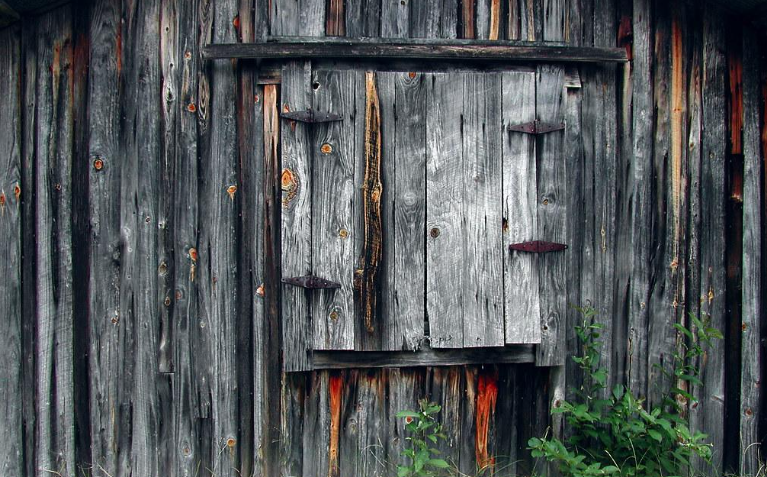
Many custom-home and renovation projects use exterior cedar shutters to create that architectural depth while reinforcing the warmth and texture associated with authentic wood construction. Cedar shutter fabrication introduces visible grain variation, natural color movement, and dimensional panel detailing that composite materials struggle to reproduce convincingly. Cedar also offers natural resistance to moisture, insects, and weather exposure, which improves long-term performance in outdoor environments. Timber fabricators further customize shutter dimensions, louver spacing, panel styles, and finish treatments so the installation aligns cleanly with surrounding fascia boards, porch columns, siding profiles, and exterior millwork. That custom fabrication becomes especially important in craftsman homes, farmhouse exteriors, rustic architecture, and historically influenced renovation projects where exposed wood detailing defines the visual identity of the property.
The combination of weather durability and handcrafted timber aesthetics makes cedar shutters common in residential facade renovations, covered porch designs, and custom exterior construction. Builders improve curb appeal while preserving the natural appearance associated with traditional wood architecture. Custom timber manufacturing also allows window accents to coordinate cleanly with matching brackets, columns, beams, and trim details across the entire exterior design.
Why Natural Wood Creates Better Exterior Warmth
Natural timber introduces texture and tonal variation that synthetic products often struggle to imitate convincingly. Cedar’s grain movement and warm coloration help soften exterior surfaces while creating stronger contrast around windows and entry features. This visual complexity changes throughout the day as sunlight interacts with the wood surface, producing depth and shadow that flat materials cannot achieve.
Architectural Consistency Strengthens Curb Appeal
Exterior architecture feels more cohesive when materials and detailing repeat consistently throughout the property. Cedar shutters often work best when coordinated with porch beams, brackets, entry trim, and roof accents that share similar wood tones or craftsmanship details. This layered approach creates stronger visual continuity across the entire structure.
Interior furnishings and outdoor architectural materials also frequently influence each other stylistically. Homeowners drawn to handcrafted wood details on the exterior often seek similar warmth and material authenticity inside the home. Discussions surrounding choosing durable solid wood furniture reflect the continued appreciation for visible natural grain and handcrafted timber aesthetics throughout residential design.
Customization Defines High-End Cedar Craftsmanship
No two homes share identical window dimensions, siding systems, or architectural proportions, which makes customization especially important in exterior cedar fabrication. Timber manufacturers frequently tailor shutter dimensions, louver spacing, edge profiles, and stain treatments so the finished installation integrates naturally with surrounding trim systems and structural features.
This customization becomes particularly important in craftsman homes, farmhouse architecture, and historically influenced renovations where exposed wood detailing contributes heavily to the architectural identity of the property. Properly scaled cedar shutters help reinforce symmetry and proportion while preserving the handcrafted character associated with traditional residential construction.
Timber Construction Continues Influencing Modern Architecture
The growing interest in exposed timber architecture extends well beyond decorative window detailing. Timber construction increasingly appears in modern large-scale building projects because architects continue recognizing the environmental and aesthetic benefits of natural wood systems. Cedar and other structural wood species remain central to conversations about sustainable design and long-term architectural performance.
Recent discussions surrounding the world’s tallest wooden building projects demonstrate how timber continues shaping both residential and commercial architecture on a much broader scale.
The Brand Influence of Cedar Exterior Architecture
Exposed cedar detailing has become strongly associated with premium residential design because it communicates craftsmanship, authenticity, and permanence immediately. Unlike synthetic trim systems that often prioritize uniformity, cedar introduces visible natural character that makes homes feel more established and architecturally intentional.
Designers also value cedar because it adapts successfully across multiple architectural styles. Cedar shutters and exposed timber accents appear equally effective in rustic mountain homes, modern farmhouse exteriors, craftsman renovations, and traditional residential designs. Their versatility allows cedar detailing to remain timeless despite evolving exterior design trends.
Conclusion
Cedar remains a popular material for exterior window details because it combines long-term weather resistance with the warmth and texture associated with authentic timber architecture. Around windows especially, exposed cedar accents create stronger shadow lines, deeper visual contrast, and more substantial framing detail that help facades feel balanced and architecturally rich.
Whether incorporated into shutters, trim systems, or decorative exterior accents, cedar continues to strengthen residential architecture by blending structural durability with handcrafted visual character. As homeowners increasingly prioritize authenticity and natural materials, cedar remains one of the most trusted and visually effective choices for exterior wood detailing.