
Most homeowners want a yard and home that looks good without draining their savings. The problem is that projects have a reputation for going over budget fast. Material costs creep up. Labor adds up. And somewhere between the planning stage and the final result, the original number gets left behind.
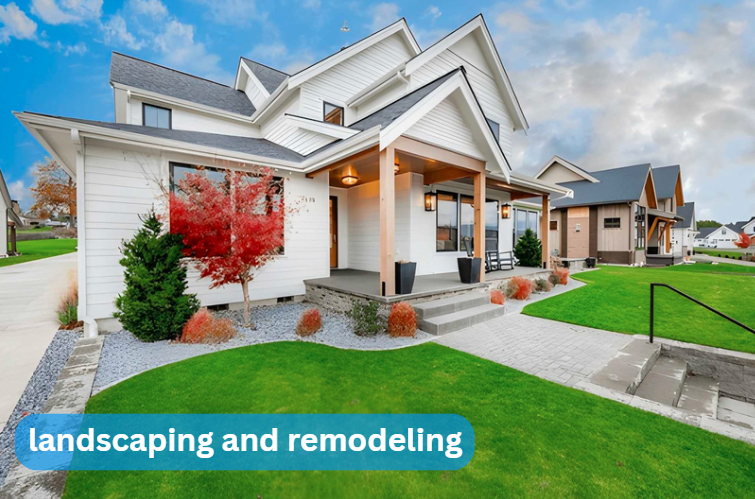
With the right approach, landscaping and remodeling on almost any budget can produce real, lasting results. Plan carefully, prioritize what delivers the most impact, and make smart choices at every step. This article covers eight practical tips that work for US homeowners regardless of yard size, budget, or experience level.
Tip 1: Start with a Clear Plan Before You Spend a Dollar
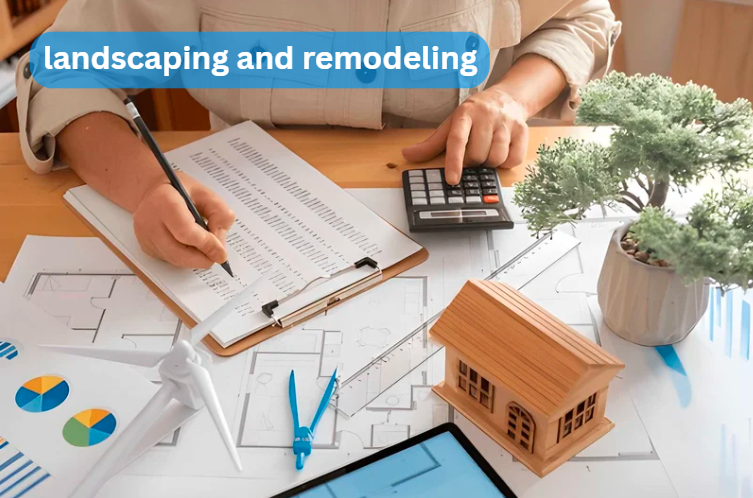
The single biggest reason projects go over budget is starting before a clear plan exists. Before buying a single plant, paver, or bag of mulch, measure your outdoor space. Draw a rough sketch to scale. Decide what you want the finished result to look like and list everything that needs to happen to get there.
Within that total, reserve at least 10% to 15% as a contingency fund for unexpected costs. Root systems under a patio area or a plumbing line in the wrong spot can change your numbers quickly. A contingency fund keeps those surprises from derailing the whole project.
Tip 2: Choose Native Plants to Cut Long-Term Costs
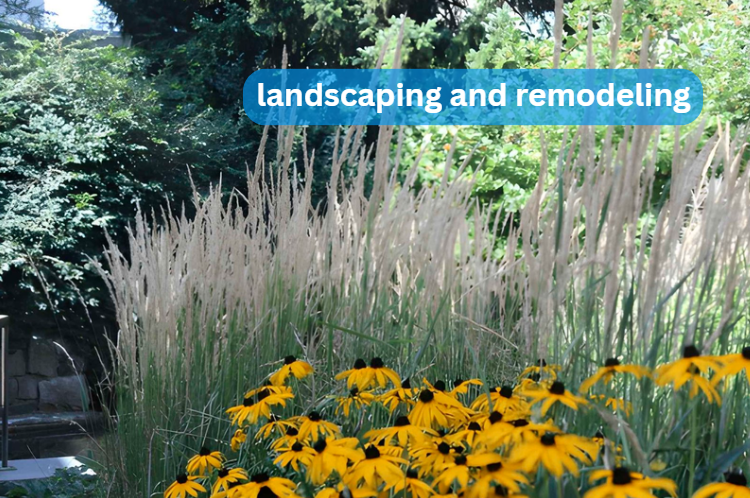
Many homeowners choose plants based on how they look at the nursery, without considering how much work and water they will require once they are in the ground. For US homeowners, the right native plants depend heavily on the region. In the Southwest, drought-tolerant species like ornamental grasses thrive with minimal irrigation.
In the Southeast, plants like coneflowers and black-eyed Susans establish quickly and return year after year. Planting perennials over annuals eliminates the cost of replanting every spring. A good seasonal planting guide helps you map out which plants to introduce and when, so you are not buying at peak price or planting at the wrong time of year.
Tip 3: Prepare Your Soil Before Anything Goes in the Ground
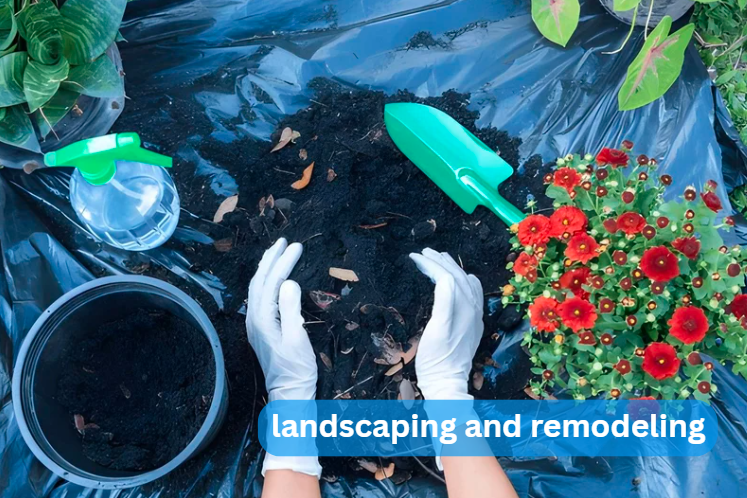
A yard that looks good two weeks after planting but struggles six months later is almost always a soil problem. Soil quality is the foundation of every outdoor project, and skipping this step at the start creates the most expensive problems later.
Before planting anything, test your soil. Basic test kits are available at any garden center for under $20. Good soil preparation techniques before planting give your plants a far better chance of thriving with less supplemental care. Compost is the most cost-effective amendment available. You can buy it in bulk, make it from kitchen scraps and yard waste, or source it free from many local municipalities. Mulching on top of improved soil locks in moisture, suppresses weeds, and reduces your workload through the growing season.
Tip 4: Focus Your Budget on High-Impact Landscaping and Remodeling Changes First
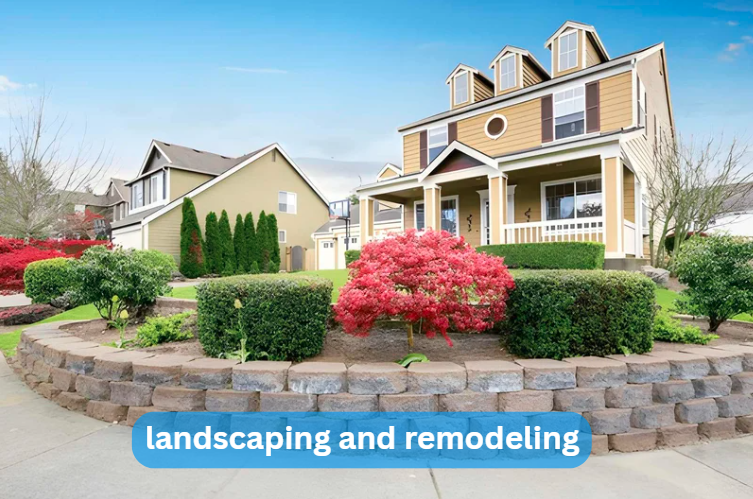
In any project, some changes deliver far more visual impact per dollar than others. Knowing which improvements to prioritize keeps your budget focused on what actually moves the needle.
For outdoor work, curb appeal is where the return is highest. According to the NAR 2023 Remodeling Impact Report, landscaping upgrades can offer up to 100% cost recovery at resale. Fresh mulch in garden beds is one of the cheapest and highest-impact changes available. It gives beds a clean, finished look, retains soil moisture, and suppresses weeds for just a few dollars per bag. Defined edges along garden beds also create an outsized visual impression. Clean borders make the whole yard look intentional and well-kept, even when planting within the beds is minimal.
Tip 5: Use Hardscaping to Reduce Maintenance Over Time
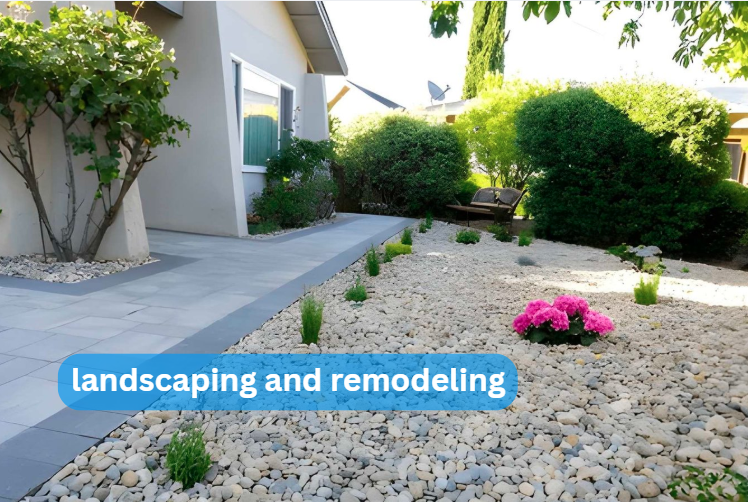
Hardscaping refers to the non-plant elements of a landscape, paths, patios, retaining walls, and gravel beds. These elements carry a higher upfront cost than planting, but they pay off over time by reducing the ongoing maintenance the yard requires.
A gravel path between garden beds eliminates mowing in that area and reduces weeding significantly. A stone walkway adds usable outdoor living space while reducing the square footage of lawn that needs regular care. Flagstone, gravel, and concrete pavers are all durable choices that hold their appearance for years with minimal upkeep. Good garden maintenance tips break seasonal care into manageable tasks rather than letting everything accumulate at once. Advice from robert mygardenandpatio gives you practical, experience-backed guidance on keeping both planted and hardscaped areas looking their best through every season.
Tip 6: Do the Prep Work Yourself to Control Labor Costs
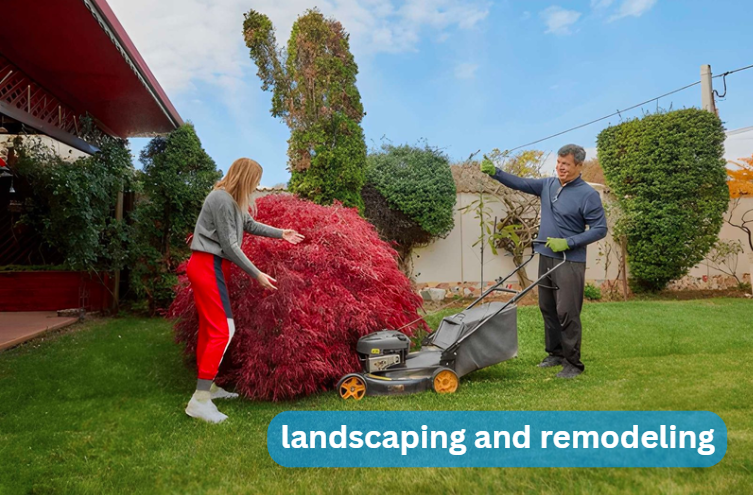
Labor is typically the largest cost in any landscaping and remodeling project. One of the most effective ways to control that cost is to handle the prep work yourself and leave the skilled execution to a professional where it genuinely matters.
For landscape installation, clearing the space, removing existing plants, and amending soil before a contractor arrives saves hours of billable time. Demolition, material hauling, and cleanup are all things most homeowners can handle without specialized skills. Reserving the professional’s time for work that actually requires expertise keeps the project efficient and protects your budget.
For homeowners looking to extend their outdoor living space further, mygardenandpatio.com covers a wide range of outdoor upgrades. Topics like sandpaper sponge infrared saunas mygardenandpatio and mgaphottub hot tub tips from mygardenandpatio show how the outdoor space can grow well beyond the garden into a full living environment.
Tip 7: Stay Consistent with Maintenance After the Project
A landscaping and remodeling project is only as good as the care that follows it. Many homeowners invest in a yard transformation and then watch it deteriorate over the following season because ongoing maintenance was never factored into the plan.
Consistent trimming and pruning keep plants healthy and maintain the shape that makes a yard look intentional. Refreshing mulch once or twice a year takes an afternoon and costs very little. Staying on top of weeding before it gets out of hand is far less work than letting it go and trying to reclaim the beds later. A simple seasonal care calendar keeps you from missing the windows when tasks like fertilizing, pruning, or overseeding make the biggest difference.
Tip 8: Phase Your Project Over Time With Landscaping and Remodeling
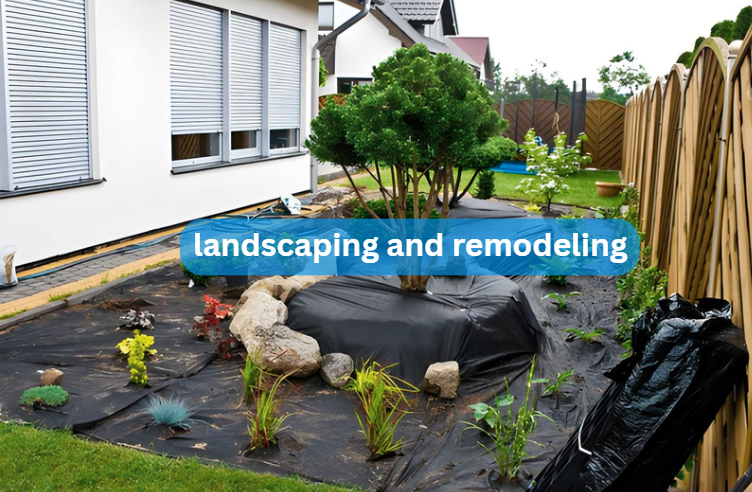
Mygardenandpatio one of the most practical realizations for homeowners on a budget is that a project does not have to happen all at once. Phasing work over one, two, or three seasons lets you spread costs and adjust the plan based on what you actually see happening in the yard.
Start with the highest-impact changes at the lowest cost. Fresh mulch, defined edges, and new plantings along the front walkway come first. Then move to mid-range investments like a patio or retaining wall once the initial phase is paid off. Phasing also gives you time to watch how the yard behaves through different seasons before committing to a permanent layout.
Final Thoughts
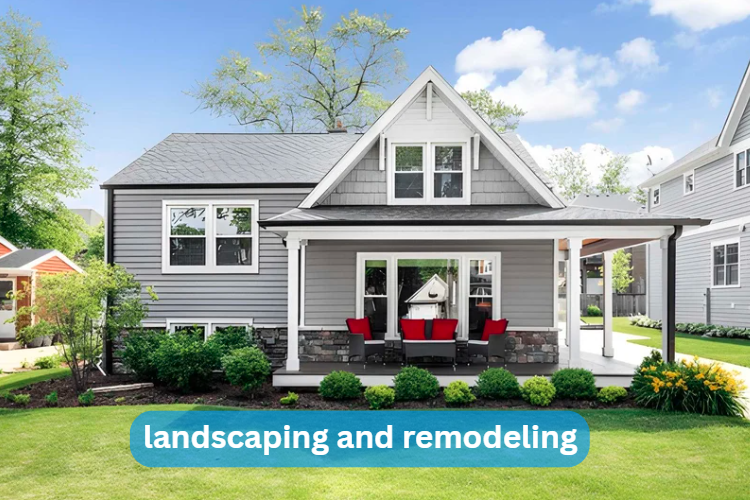
Landscaping and remodeling on a budget is not about doing less. It is about doing things in the right order, with the right materials, and with enough patience to let the plan work. Start with a solid plan, choose plants that suit your region, prepare your soil properly, and focus your spending on changes that deliver real visible impact. Handle what you can yourself, phase the rest over time, and stay consistent with maintenance once the work is done. A better yard and home are well within reach at almost any budget level. The difference between a project that holds up and one that does not almost always comes down to how well the planning was done at the very start.
Read more visit our website https://robertmygardenandpatio.com/