
Many American homeowners have outdoor spaces that sit unused, overgrown, or just never reach their full potential. The yard gets ignored while everything inside the house gets attention. But with the right garden renovation ideas, even the most neglected space can become somewhere you actually want to spend time.
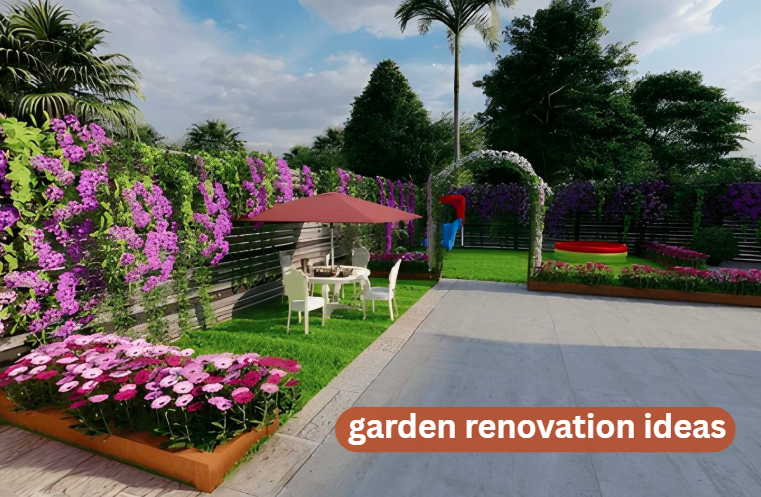
This article covers 7 practical ideas that work across different yard sizes, budgets, and skill levels. Whether you are starting completely from scratch or just want to refresh what you already have, these ideas are grounded in what real homeowners across the US have used to make lasting improvements. If you are also exploring broader home projects alongside your outdoor work, home and garden improvement is a helpful resource to bookmark.
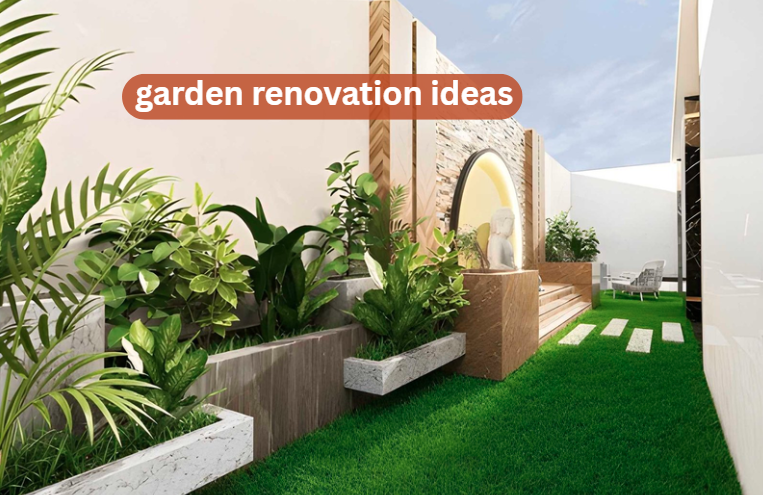
1. Start With a Solid Plan Before Anything Else
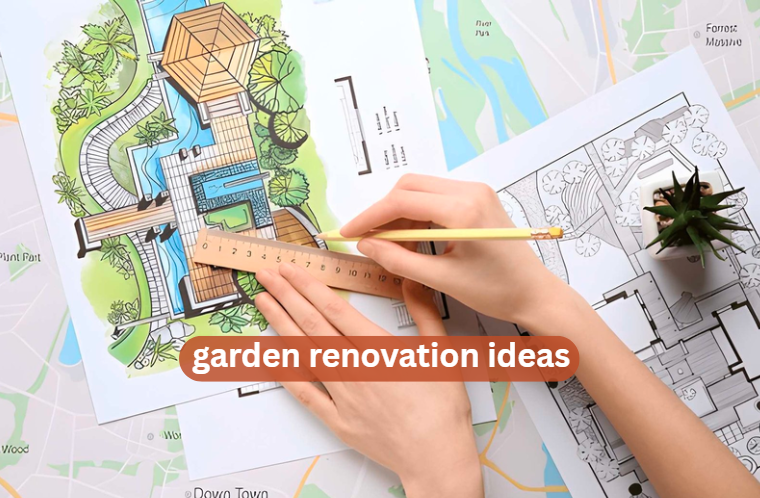
Walking straight into planting or building without one is the fastest way to waste money and end up with a yard that still does not feel right.
Spend time in your yard at different points during the day. Look for areas that collect water after rain. These details tell you where different plants will thrive and where hardscaping makes more sense than planting.
Sketch your yard roughly on paper and divide it into zones based on how you want to use each area. One section might be for growing food, another for relaxing, another for kids.
Soil testing is a step most people skip, but it matters. A basic pH kit from any garden center costs under fifteen dollars and tells you what your soil can support. For a full breakdown of how to get your ground ready before planting season, this soil preparation techniques guide covers the process in detail.
2. Grow Your Own Food With Garden Renovation Ideas
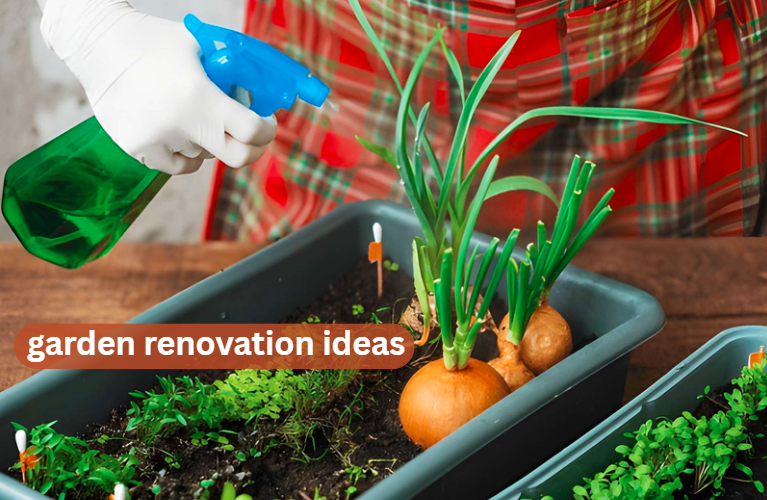
Growing food at home has become one of the most popular garden renovation ideas across the US, and for good reason. Fresh tomatoes, herbs, beans, and salad greens from your own yard taste better and cost less over time than anything from a grocery store.
Raised garden beds are the most practical way to get started. They give you control over soil quality, drain better than in-ground planting, warm up earlier in spring, and are much easier on your back. A standard 12-inch height works for most vegetables. Go to 18 inches if you plan to grow carrots or beets.
Fill your beds with a mix of topsoil, compost, and aged manure rather than straight garden soil, which tends to compact and limit root growth. Start with two or three crops your family actually eats. Master those before adding more the following season. Knowing the right planting windows for your region also makes a big difference. A good seasonal planting guide removes the guesswork and helps you get more harvests from the same space each year.
3. Work With Small Spaces
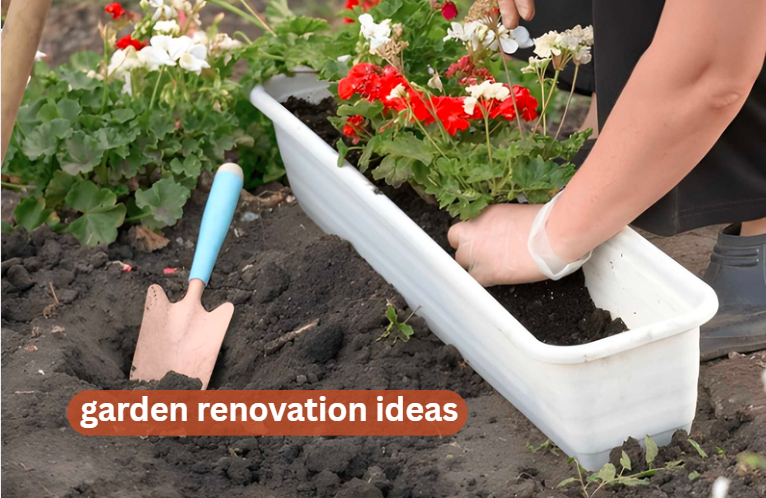
A small yard does not mean a limited garden. Homeowners in dense cities across the US grow impressive amounts of food and flowers on patios, balconies, and narrow side yards. The key is using space vertically and choosing the right containers.
Container gardening ideas give you flexibility that in-ground planting cannot. Fabric grow bags, half barrels, window boxes, and deep pots can all support herbs, vegetables, and flowering plants. The most important thing is matching container size to plant type and making sure drainage is adequate. A pot that holds water or is too small leads to root rot and stunted growth.
Vertical structures like trellises and wall-mounted planters grow upward instead of outward. Cucumbers, pole beans, and climbing flowers do well on these setups and require very little ground space. Grouping containers at different heights creates a layered, intentional look even in tight spots.
4. Add Structure and Function Through Smart Hardscaping
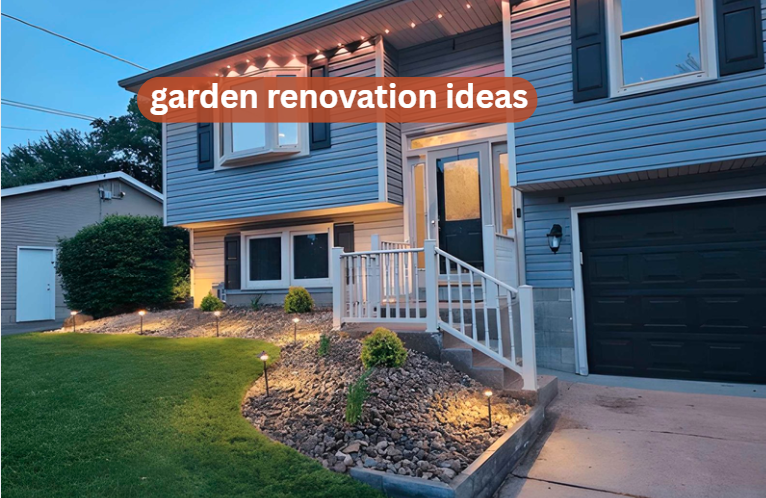
Plants are only part of what makes a garden work. The non-plant elements, paths, patios, edging, and retaining walls, give your yard structure and make it usable year-round even when nothing is in bloom.
A stone or gravel path through the garden does more than look good. It keeps foot traffic off plant beds, controls erosion, and gives the whole space a finished quality. Flagstone suits most traditional American home styles while gravel works well for more relaxed, informal gardens. Either way, aim for at least three feet of width on main paths so two people can walk comfortably side by side.
If your yard has a slope that causes erosion or unusable terrain, a simple retaining wall from stacked stone or timber solves the problem and creates flat planting areas you did not have before. This is one of those garden renovation ideas that improves both function and appearance at the same time. For homeowners planning structural outdoor additions alongside garden work, carport archives mygardenandpatio is worth exploring for project ideas and planning help.
5. Use Native Plants for Garden Renovation Ideas That Last
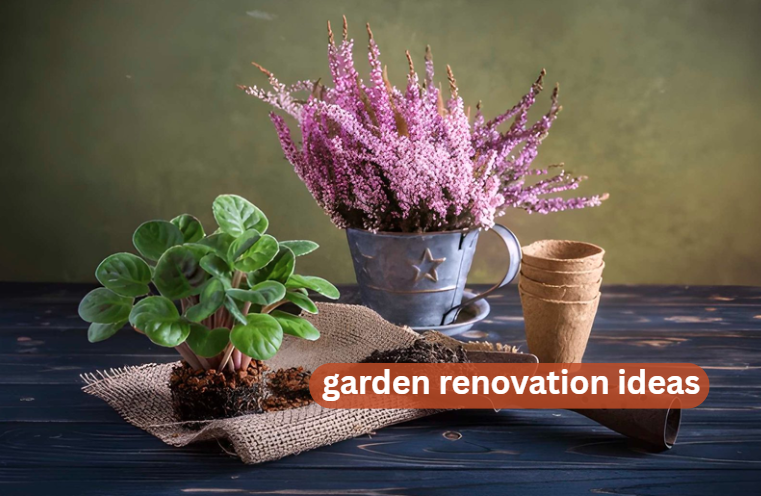
Native plants are one of the most underused tools in home gardening. They are already adapted to your local climate, which means they need less water, less fertilizer, and far less ongoing care than most non-native ornamentals.
In the Midwest, coneflowers and prairie grasses do well with minimal attention. In the Pacific Northwest, ferns and native shrubs thrive in shaded conditions. Across the Southeast, black-eyed Susans and native honeysuckle attract pollinators without needing regular irrigation. Every US region has native species that perform reliably year after year.
They feed bees, butterflies, and birds that non-native plants cannot support in the same way. Even replacing a small section of lawn with a native wildflower patch cuts mowing time, reduces water use, and brings more life into your yard within a single season. For plant selection help and seasonal advice, garden advice homenumental offers guidance built specifically for home gardeners.
6. Design for Year-Round Appeal Not Just Summer
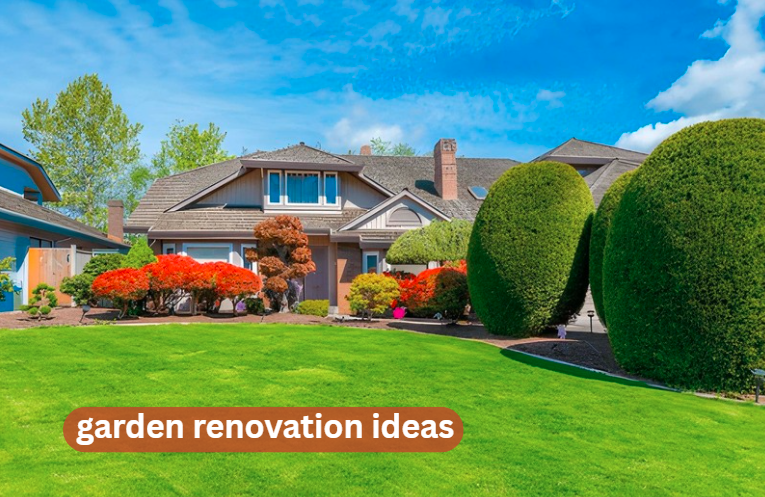
A garden that only looks good in June and July is a missed opportunity. With thoughtful plant selection, you can have something interesting happening in your yard across all four seasons without a lot of extra effort.
Plant spring bulbs like tulips and daffodils in fall so they come up reliably each year. Add summer-blooming perennials that return on their own season after season. Include ornamental grasses and late-blooming asters that carry color into fall. Leave some seed heads standing through winter for structural interest and as a food source for birds.
Layering plants with overlapping bloom times is the strategy that keeps a garden visually active from early spring through late fall. A detailed garden guide homenumental can help you build a planting plan around your specific USDA hardiness zone. Clean bed edging also makes a yard look maintained even in the off-season when less is actively growing.
7. Keep Your Garden Looking Its Best With Regular Maintenance
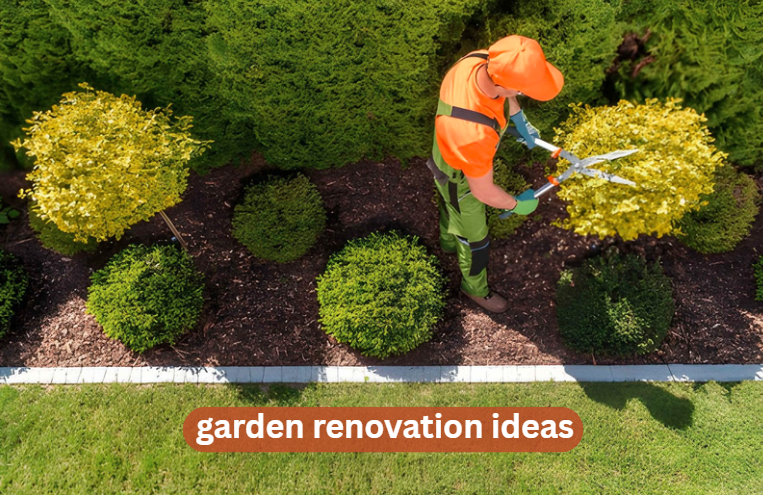
A well-renovated garden stays that way through consistent upkeep. The good news is that a thoughtfully planned garden with the right plants needs far less maintenance than one put together without much consideration.
Mulching is the single highest-return habit you can adopt. It also breaks down and improves soil quality over time. This encourages roots to grow deeper, which builds drought tolerance over time. Drip irrigation is worth the upfront cost for anyone with vegetable beds or multiple planting zones.
Staying on top of garden maintenance tips through each season prevents small problems from becoming big ones. Check for pests and disease regularly. Remove spent flowers to keep plants blooming longer. Divide perennials that have outgrown their space every few years. For hands-on DIY project guidance that complements regular garden care, mgapdiy diy advice from mygardenandpatio covers practical outdoor projects that most homeowners can handle without professional help.
Final Thoughts
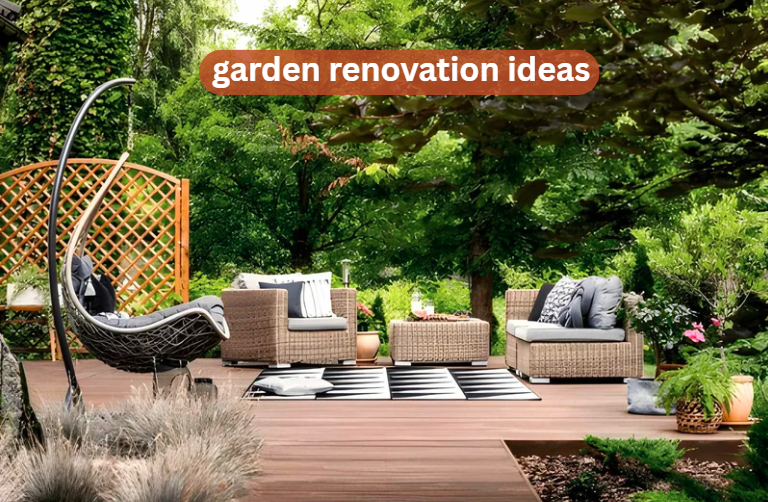
None of these garden renovation ideas require a professional or a large budget to pull off. What they do require is a clear starting point and a willingness to work through the yard in stages rather than all at once. Start with the plan. Fix the soil. Choose plants that suit your climate. Add structure where it counts. A yard that gets better season by season is far more satisfying than one that never gets started.
Read more visit our website https://robertmygardenandpatio.com/